
MIDSIZE JET FINANCING IS AVAILABLE
AVIATION LOAN MATCHING SERVICE
Compare jet loan offers from
specialty aviation lenders.
- No cost to you
- Private & secure
No Cost to You
Aviation Specialists
One Application
Multiple offers side-by-side
Loan Programs
Financing for every aircraft type
New Aircraft Purchase
Pre-Owned Jet Financing
Aircraft Refinancing
Operating Leases
Engine & Maintenance Reserve
Fractional & Shared Ownership
How It Works
A simple, confidential four-step
process
Tell Us About the Aircraft
Make, model, year, intended use, ownership structure. No commitment.
Get Matched
Compare Offers
Close & Take Delivery
Estimate Your Monthly Payment
Move the sliders to see how loan amount, term, and rate shape your monthly cost. Illustrative estimates only — your actual offer depends on your matched lender.
Rate slider is for illustration only. Actual rates vary by aircraft, age, hours, ownership structure, lender, and credit profile.
Illustrative estimates only. Not an offer of credit. Actual terms determined by lender.
Financing for private and
corporate aviation
Private Owners
Corporations
Charter Operators
Fractional Owners
Management Companies
Family Offices
A lending network built for
aviation
Aviation-Specific Underwriting
One Profile, Multiple Offers
No Cost. No Commitment.
Confidential & Discreet
Ready to compare aircraft financing offers?
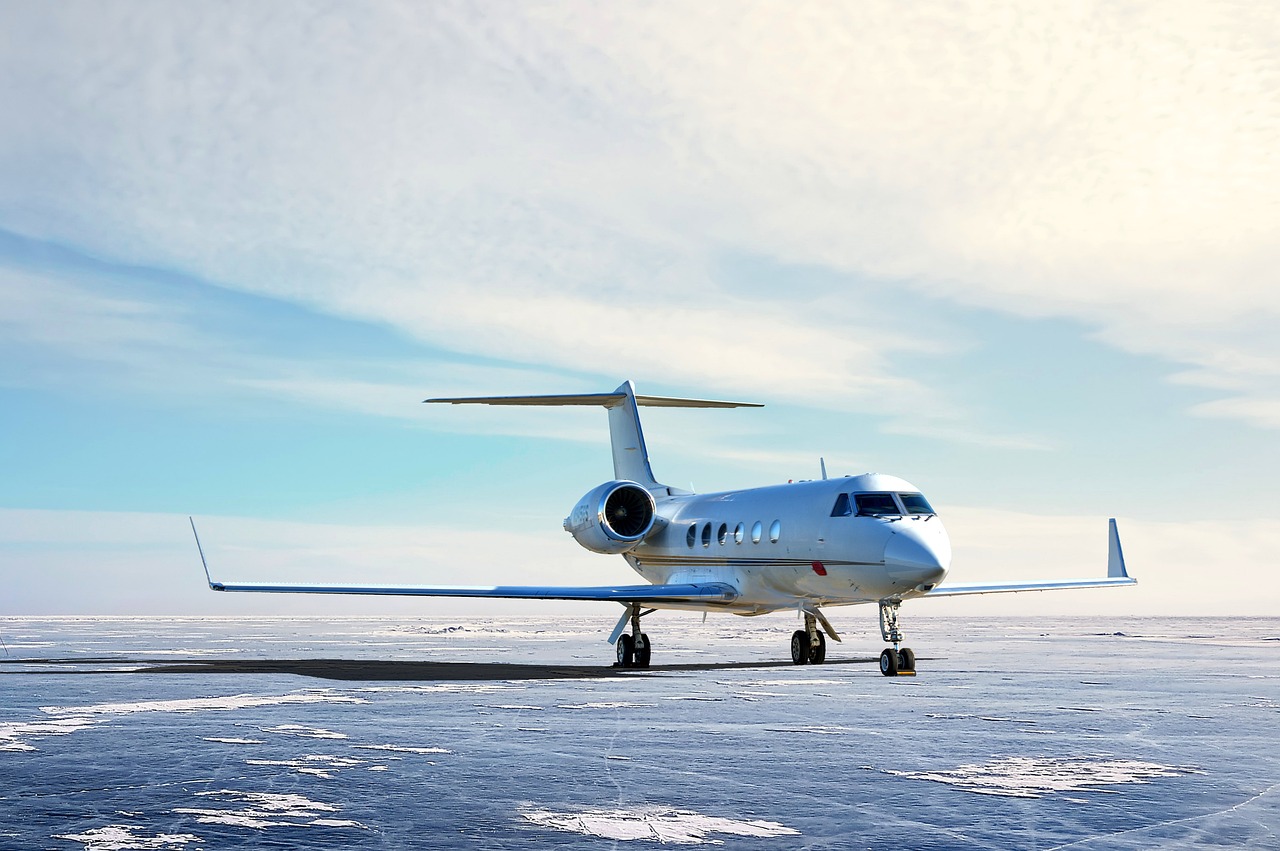
Midsize Jet Financing: Understanding Aircraft Costs, Ownership, and Financing Options
What Is Midsize Jet Financing?
Business aviation has evolved significantly over the past two decades. While light jets remain popular for shorter regional trips and large-cabin aircraft dominate the long-range market, midsize jets have become one of the most sought-after aircraft categories. They provide an excellent balance between operating costs, passenger comfort, travel range, and acquisition price. As a result, many businesses and high-net-worth individuals turn to midsize jet financing to acquire these versatile aircraft.
For many organizations, owning a midsize jet is not about luxury. It is about efficiency, productivity, and flexibility. Executives can visit multiple locations in a single day, avoid airline delays, and reach airports that commercial airlines cannot serve.
Because acquisition costs often range into the millions of dollars, financing remains one of the most practical paths to ownership.
What Is Considered a Midsize Jet?
The aviation industry generally classifies midsize jets as aircraft that sit between light jets and heavy jets.
Typical midsize jet characteristics include:
| Feature | Typical Range |
|---|---|
| Passengers | 7–10 |
| Range | 2,000–3,500 Miles |
| Cruise Speed | 450–550 MPH |
| Maximum Altitude | 45,000 Feet |
| Cabin Height | 5–6 Feet |
Aircraft commonly financed through midsize jet financing programs include:
- Citation Latitude
- Citation XLS Gen2
- Hawker 800XP
- Hawker 900XP
- Learjet 60XR
- Gulfstream G150
- Praetor 500
These aircraft provide enough cabin space for comfortable business travel while avoiding many of the costs associated with larger aircraft.
What Is the Price Range of a Midsize Jet?
The price of a midsize jet depends on several factors:
- Manufacturer
- Aircraft age
- Total flight hours
- Engine condition
- Maintenance history
- Avionics upgrades
Typical purchase ranges include:
| Aircraft Model | Approximate Price |
| Hawker 800XP | $3M – $7M |
| Hawker 900XP | $5M – $10M |
| Citation XLS | $6M – $12M |
| Gulfstream G150 | $7M – $14M |
| Citation Latitude | $12M – $20M |
| Praetor 500 | $18M – $25M |
Many buyers use midsize business jet loans because even pre-owned aircraft often require significant capital investments.
Why Businesses Choose Midsize Aircraft
Midsize jets have become one of the most popular corporate aviation solutions.
Benefits include:
Longer Flight Range
Many midsize jets can fly nonstop across much of North America.
Greater Passenger Capacity
Most aircraft comfortably accommodate executives, clients, and staff.
Larger Cabins
Passengers enjoy more room to work and travel comfortably.
Better Productivity
Executives can conduct meetings during flight.
These advantages explain why demand for aircraft ownership financing continues to grow among companies seeking efficient travel solutions.
How Midsize Jet Financing Works
Most aviation lenders structure midsize jet financing similarly to commercial real estate financing.
The aircraft serves as collateral while borrowers make payments over a fixed period.
Common financing structures include:
Traditional Aircraft Loans
The most common option.
Benefits:
- Immediate ownership
- Predictable payments
- Fixed or variable rates
- Long repayment terms
Aircraft Leasing
Allows use of the aircraft without immediate ownership.
Advantages:
- Lower upfront investment
- Easier upgrades
- Greater fleet flexibility
Balloon Financing
Provides lower monthly payments with a larger final payment due at maturity.
This structure is often used by companies planning future aircraft upgrades.
Aircraft Acquisition Financing Process
Most lenders follow a structured approval process.
Step 1: Financial Review
The lender reviews:
- Corporate financial statements
- Tax returns
- Cash flow reports
- Net worth documentation
Step 2: Aircraft Selection
The borrower chooses an aircraft.
Step 3: Aircraft Inspection
The lender evaluates:
- Aircraft value
- Maintenance records
- Engine programs
- Airframe condition
Step 4: Approval
Financing terms are finalized.
Step 5: Closing
Ownership transfers and funding is completed.
Many organizations seek aircraft acquisition financing before identifying a specific aircraft to understand their purchasing power.
Typical Financing Terms
Loan structures vary depending on borrower strength and aircraft type.
| Financing Feature | Typical Range |
| Down Payment | 10%–30% |
| Loan Term | 7–20 Years |
| Interest Type | Fixed or Variable |
| Loan Amount | $5M–$100M+ |
Stronger borrowers often receive more favorable financing terms.
Estimated Aircraft Purchase Costs by Category
Illustrative values only. Actual aircraft prices vary significantly based on age, condition, and equipment.
Operating Costs Every Owner Should Know
Many first-time buyers focus only on acquisition costs.
However, ownership expenses are equally important.
Fuel Costs
Midsize jets generally burn:
- 200–350 gallons per hour
Annual fuel costs may range from:
- $250,000–$600,000+
depending on utilization.
Maintenance Costs
Annual maintenance budgets often range from:
- $75,000–$250,000+
Unexpected repairs may increase costs.
Many lenders carefully review maintenance records when approving aircraft acquisition financing requests.
Engine Programs
Modern jet engines are expensive assets.
Engine overhauls may cost:
- $500,000
- $1 million
- $2 million+
depending on aircraft type.
Most operators participate in maintenance reserve programs.
Insurance
Annual insurance premiums often range from:
- $25,000–$100,000+
depending on:
- Aircraft value
- Pilot experience
- Operational use
Hangar Expenses
Storage costs vary by airport.
Typical annual hangar expenses range from:
- $20,000–$100,000+
Crew Costs
Many midsize jets require professional pilots.
Typical annual compensation:
| Position | Salary Range |
| Captain | $120,000–$250,000 |
| First Officer | $80,000–$180,000 |
Training and benefits add additional costs.
Midsize Business Jet Loans vs. Heavy Jet Financing
Many buyers compare midsize jets with larger aircraft.
Advantages of midsize business jet loans include:
Lower Acquisition Costs
Purchase prices are significantly lower than heavy jets.
Lower Operating Costs
Fuel and maintenance expenses remain more manageable.
Easier Airport Access
Midsize jets can utilize more airports.
Strong Resale Demand
Popular models often maintain healthy market demand.
These benefits make midsize business jet loans attractive to growing businesses.
Ultra Long Range Jet Financing Comparison
Some companies require nonstop international travel.
Aircraft commonly funded through ultra long range jet financing programs include:
- Gulfstream G650
- Gulfstream G700
- Falcon 8X
- Global 7500
These aircraft may fly:
- 6,000–8,000+ miles nonstop
While midsize jets excel at domestic and regional travel, ultra-long-range aircraft focus on international missions.
Buyers should carefully evaluate mission requirements before choosing between categories.
Advantages of Aircraft Ownership Financing
Many organizations choose aircraft ownership financing because it provides:
Capital Preservation
Cash remains available for operations and growth.
Increased Productivity
Executives spend less time in airports.
Greater Flexibility
Travel schedules remain under company control.
Improved Customer Access
Companies can visit clients more efficiently.
These benefits often justify ownership costs for organizations with significant travel requirements.
Risks Buyers Should Consider
Ownership involves responsibilities.
Depreciation
Aircraft values fluctuate.
Unexpected Repairs
Major maintenance events can be expensive.
Fuel Volatility
Fuel costs may change dramatically.
Regulatory Compliance
FAA regulations continue to evolve.
Resale Timing
Aircraft may require time to sell.
Careful planning helps mitigate these risks.
Internal Links
Suggested internal links:
- /midsize-jet-financing/
- /midsize-business-jet-loans/
- /aircraft-acquisition-financing/
- /aircraft-ownership-financing/
- /ultra-long-range-jet-financing/
- /aircraft-loan-calculator/
- /contact-us/
- /about-us/
External Links
Helpful aviation resources:
- Federal Aviation Administration (FAA): https://www.faa.gov
- National Business Aviation Association (NBAA): https://nbaa.org
- Aircraft Owners and Pilots Association (AOPA): https://www.aopa.org
- National Air Transportation Association (NATA): https://nata.aero
Conclusion
Midsize jets have become one of the most practical and popular categories in business aviation. They provide exceptional balance between acquisition cost, operating efficiency, passenger comfort, and travel range. Whether a buyer pursues midsize jet financing for a corporate aircraft, uses midsize business jet loans to preserve working capital, explores ultra long range jet financing alternatives for international travel, secures aircraft acquisition financing for a fleet upgrade, or chooses aircraft ownership financing to spread costs over time, understanding both acquisition and operating expenses is critical.
The most successful aircraft owners evaluate purchase price, fuel costs, maintenance requirements, insurance, crew expenses, and long-term mission needs before selecting an aircraft. With proper planning and the right financing structure, midsize jets can become powerful tools for business growth and operational efficiency.
Ultra Long Range Jet Financing: Understanding the World’s Most Capable Business Aircraft
What Is Ultra Long Range Jet Financing?
The top tier of private aviation is occupied by a select group of aircraft known as ultra-long-range jets. These aircraft are designed to fly thousands of miles nonstop, connect continents without refueling, and provide luxury accommodations for executives, government officials, and high-net-worth individuals. Because these aircraft often cost tens of millions of dollars, buyers frequently rely on ultra long range jet financing to acquire them while preserving capital for other investments and operational needs.
Ultra-long-range aircraft are among the most sophisticated machines ever built. They combine advanced avionics, powerful engines, luxurious cabins, and remarkable flight performance into a single asset capable of flying halfway around the world.
Whether purchased by corporations, charter operators, governments, or wealthy individuals, these aircraft represent a significant investment that typically requires specialized financing structures.
What Is an Ultra Long Range Jet?
An ultra-long-range jet is a business aircraft designed to fly intercontinental routes without refueling.
Typical characteristics include:
| Feature | Typical Range |
|---|---|
| Passenger Capacity | 10–19 |
| Flight Range | 6,000–8,500+ Miles |
| Cruise Speed | 500–650 MPH |
| Maximum Altitude | 51,000 Feet |
| Purchase Price | $40M–$85M+ |
Aircraft commonly purchased through ultra long range jet financing programs include:
- Gulfstream G650
- Gulfstream G700
- Bombardier Global 7500
- Bombardier Global 8000
- Dassault Falcon 8X
- Dassault Falcon 10X
These aircraft can complete nonstop flights such as:
- New York to Tokyo
- Los Angeles to Sydney
- London to Singapore
- Dubai to New York
without requiring fuel stops.
Who Purchases Ultra Long Range Jets?
Because of their significant acquisition costs, these aircraft are typically purchased by organizations and individuals with substantial financial resources.
Common buyers include:
Large Corporations
Global companies often use private aviation to transport executives between international offices.
Private Equity Firms
Investment firms frequently rely on aircraft to evaluate opportunities across multiple regions.
Charter Operators
Luxury charter companies acquire these aircraft to serve premium clients.
Governments
Many government agencies utilize business aircraft for transportation and diplomatic missions.
High-Net-Worth Individuals
Entrepreneurs, investors, entertainers, and professional athletes often purchase these aircraft for personal travel.
Many buyers utilize aircraft ownership financing rather than paying cash outright, even when they have the financial resources to do so.
Why Companies Buy Ultra Long Range Jets
The primary advantage is time.
Executives flying internationally can avoid:
- Airline schedules
- Connecting flights
- Airport delays
- Security lines
- Hotel stays during layovers
Aircraft purchased through aircraft acquisition financing programs frequently become productivity tools rather than luxury assets.
For multinational companies, these aircraft can significantly improve:
- Executive efficiency
- Global market access
- Customer relationships
- Acquisition opportunities
- Crisis response capabilities
How Ultra Long Range Jet Financing Works
The financing process for large business aircraft differs from conventional lending because of the aircraft values involved.
Most lenders structure ultra long range jet financing similarly to commercial real estate transactions.
The aircraft itself serves as collateral while the borrower makes payments over an agreed term.
Typical structures include:
Traditional Aircraft Loans
The borrower immediately owns the aircraft.
Benefits include:
- Fixed payments
- Long amortization schedules
- Potential tax advantages
Aircraft Leasing
Many corporations prefer leasing structures.
Advantages include:
- Lower upfront capital requirements
- Easier fleet replacement
- Balance sheet flexibility
Balloon Financing
Lower monthly payments with a larger final payment.
This structure is frequently used when future aircraft upgrades are anticipated.
Aircraft Acquisition Financing Requirements
Before approving aircraft acquisition financing, lenders generally evaluate:
Credit Strength
Strong corporate or personal credit profiles improve financing options.
Liquidity
Lenders often require significant post-closing liquidity.
Net Worth
The borrower’s net worth typically exceeds the aircraft value.
Cash Flow
Stable and predictable cash flow is essential.
Aircraft Condition
Even new aircraft undergo extensive lender review.
Because these aircraft represent large investments, underwriting is often more detailed than traditional commercial lending.
Typical Purchase Prices
Aircraft values vary significantly.
| Aircraft Model | Approximate New Price |
| Falcon 8X | $60M–$65M |
| Gulfstream G650ER | $65M–$75M |
| Gulfstream G700 | $75M–$85M |
| Global 7500 | $75M–$85M |
| Falcon 10X | $75M+ |
These values explain why many buyers choose aircraft ownership financing to spread costs over time.
Business Jet Categories Compared
Illustrative values only. Actual market pricing varies by manufacturer, age, and equipment.
Relationship to Midsize Jet Financing
Many owners do not start with ultra-long-range aircraft.
Businesses frequently begin with aircraft purchased through midsize jet financing programs.
Common midsize aircraft include:
- Citation Latitude
- Hawker 900XP
- Learjet 60XR
- Gulfstream G150
These aircraft provide:
- Lower acquisition costs
- Lower operating expenses
- Excellent regional capabilities
As travel requirements expand internationally, companies often transition into larger aircraft categories.
Midsize Business Jet Loans vs Ultra Long Range Jets
Organizations evaluating midsize business jet loans often compare midsize aircraft with larger alternatives.
Advantages of midsize jets:
- Lower acquisition costs
- Lower fuel consumption
- Lower maintenance costs
- Easier airport access
Advantages of ultra-long-range jets:
- Intercontinental travel
- Larger cabins
- Greater passenger capacity
- Enhanced comfort
The right choice depends largely on mission requirements.
Operating Costs You Need to Understand
Ownership extends far beyond the purchase price.
Fuel Costs
Ultra-long-range jets may burn:
- 400–700+ gallons per hour
Annual fuel costs can exceed:
- $1 million
depending on utilization.
Maintenance Costs
Annual maintenance budgets often range from:
- $250,000 to $1 million+
Major inspections can cost significantly more.
Engine Programs
Engine overhaul costs may exceed:
- $5 million to $10 million+
depending on aircraft type.
Most operators participate in manufacturer maintenance programs.
Insurance
Annual premiums frequently range from:
- $100,000 to $500,000+
depending on usage and location.
Crew Costs
These aircraft generally require:
- Two pilots
- Additional support staff
Annual crew expenses may exceed:
- $500,000+
including salaries, benefits, and training.
Hangar Expenses
Large aircraft require substantial storage space.
Annual hangar costs may range from:
- $50,000 to $250,000+
depending on airport location.
Advantages of Aircraft Ownership Financing
Many buyers choose aircraft ownership financing because it offers several benefits.
Capital Preservation
Cash remains available for acquisitions and growth.
Predictable Payments
Budgeting becomes easier.
Operational Flexibility
Aircraft are immediately available when needed.
Potential Tax Benefits
Ownership structures may create tax planning opportunities.
These advantages often make financing preferable to paying cash.
Risks Buyers Should Consider
Ownership is not without challenges.
Depreciation
Aircraft values fluctuate.
Economic Cycles
Business travel demand may change.
Regulatory Requirements
FAA compliance remains mandatory.
Maintenance Events
Unexpected repairs can be expensive.
Resale Timing
Selling large aircraft may require significant time.
Understanding these factors is critical before proceeding with acquisition.
Internal Links
Suggested internal links:
- /ultra-long-range-jet-financing/
- /midsize-jet-financing/
- /midsize-business-jet-loans/
- /aircraft-acquisition-financing/
- /aircraft-ownership-financing/
- /aircraft-loan-calculator/
- /contact-us/
- /about-us/
External Links
Helpful aviation resources:
- Federal Aviation Administration (FAA): https://www.faa.gov
- National Business Aviation Association (NBAA): https://nbaa.org
- Aircraft Owners and Pilots Association (AOPA): https://www.aopa.org
- National Air Transportation Association (NATA): https://nata.aero
Conclusion
Ultra-long-range jets represent the highest level of private aviation capability. They allow corporations, governments, charter operators, and wealthy individuals to travel internationally without compromise. Whether a company pursues midsize jet financing as an entry point into business aviation, evaluates midsize business jet loans for regional travel, secures ultra long range jet financing for global operations, utilizes aircraft acquisition financing to preserve liquidity, or chooses aircraft ownership financing to spread costs over time, understanding acquisition and operating expenses is essential.
The most successful aircraft owners carefully evaluate mission requirements, financing structures, operating costs, maintenance obligations, and long-term ownership goals before selecting an aircraft. With proper planning, ultra-long-range jets can become powerful tools for global business growth and executive productivity.