
CESSNA PLANE FINANCING
AVIATION LOAN MATCHING SERVICE
Compare jet loan offers from
specialty aviation lenders.
- No cost to you
- Private & secure
No Cost to You
Aviation Specialists
One Application
Multiple offers side-by-side
Loan Programs
Financing for every aircraft type
New Aircraft Purchase
Pre-Owned Jet Financing
Aircraft Refinancing
Operating Leases
Engine & Maintenance Reserve
Fractional & Shared Ownership
How It Works
A simple, confidential four-step
process
Tell Us About the Aircraft
Make, model, year, intended use, ownership structure. No commitment.
Get Matched
Compare Offers
Close & Take Delivery
Estimate Your Monthly Payment
Move the sliders to see how loan amount, term, and rate shape your monthly cost. Illustrative estimates only — your actual offer depends on your matched lender.
Rate slider is for illustration only. Actual rates vary by aircraft, age, hours, ownership structure, lender, and credit profile.
Illustrative estimates only. Not an offer of credit. Actual terms determined by lender.
Financing for private and
corporate aviation
Private Owners
Corporations
Charter Operators
Fractional Owners
Management Companies
Family Offices
A lending network built for
aviation
Aviation-Specific Underwriting
One Profile, Multiple Offers
No Cost. No Commitment.
Confidential & Discreet
Ready to compare aircraft financing offers?
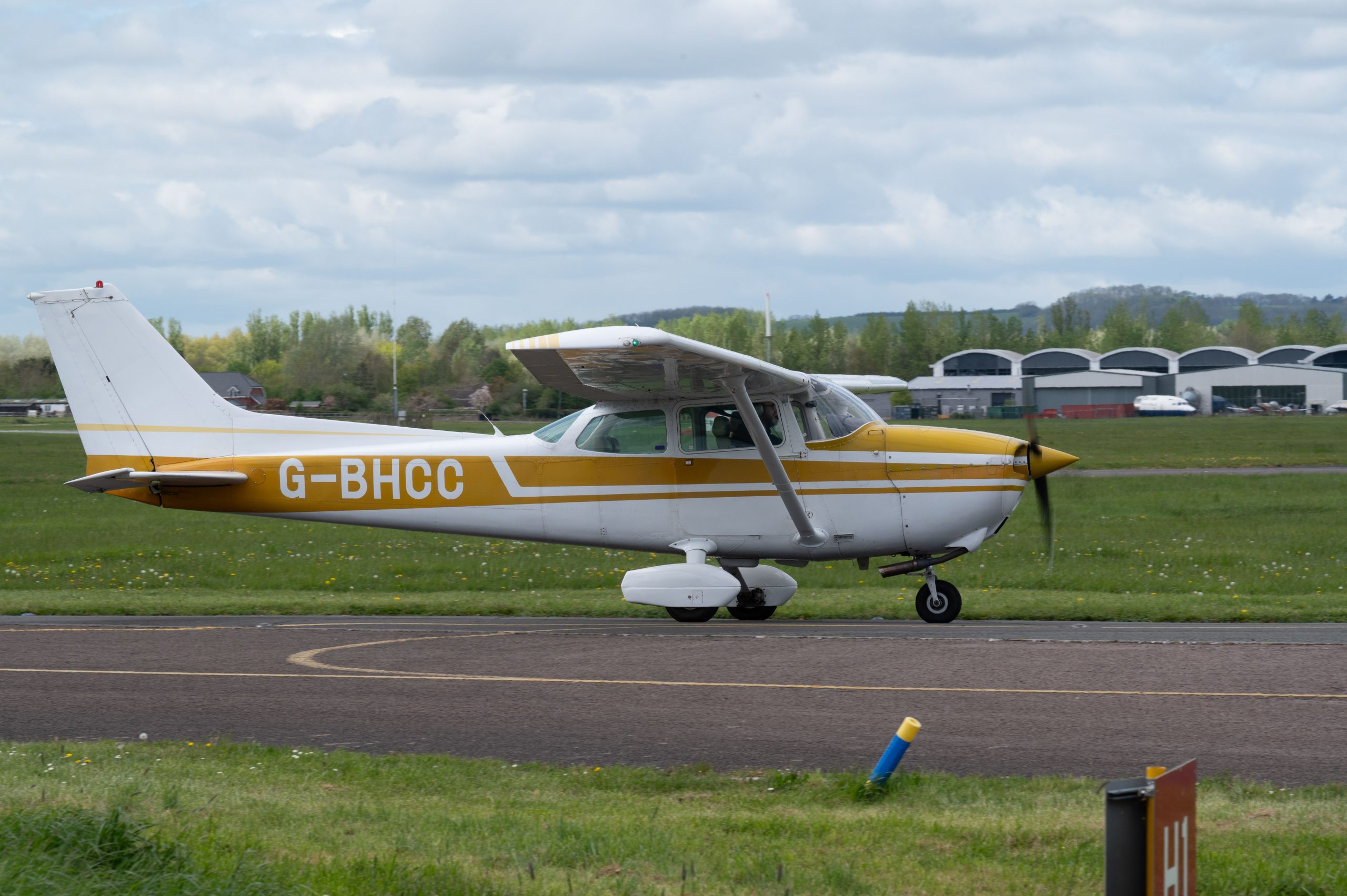
Hangar Construction Financing: Building and Expanding Hangars for Cessna Aircraft at Small Airports
Introduction to Hangar Construction Financing
Across the United States, thousands of small municipal airports and privately owned airfields serve general aviation pilots. These airports often rely on aircraft such as the Cessna 172, Cessna 182, Cessna 206, and similar piston-powered aircraft. One of the biggest challenges facing these airports is a shortage of hangar space.
Proper aircraft storage protects airplanes from weather, improves resale values, reduces maintenance costs, and generates rental income for airport owners. Because construction costs can easily reach hundreds of thousands or even millions of dollars, many airport operators utilize hangar construction financing to fund new projects and facility upgrades.
Airport owners exploring hangar construction financing often evaluate Cessna plane financing opportunities, compare luxury jet financing structures, seek aircraft refurbishment financing, and investigate aviation real estate financing when developing airport property.
Why Small Airports Need Hangars
Aircraft stored outdoors face significant risks:
- Sun damage
- Hail damage
- Wind damage
- Corrosion
- Bird strikes
- Reduced aircraft values
A quality hangar protects aircraft while creating recurring revenue for airport owners.
Many airports report waiting lists for hangar space.
Typical Cessna Aircraft Stored in Small Airport Hangars
Most small airports primarily accommodate:
Cessna 172
Dimensions:
- Wingspan: 36 feet
- Length: 27 feet
Cessna 182
Dimensions:
- Wingspan: 36 feet
- Length: 29 feet
Cessna 206
Dimensions:
- Wingspan: 36 feet
- Length: 29 feet
These aircraft represent the majority of aircraft supported through Cessna plane financing programs.
How Large Should a Cessna Hangar Be?
A single-aircraft hangar typically ranges from:
Standard T-Hangar
- 40 ft wide
- 32 ft deep
- 14 ft door height
Box Hangar
- 50 ft x 50 ft
- 60 ft x 60 ft
These sizes comfortably accommodate most piston-powered Cessna aircraft.
Typical Construction Costs
Construction costs vary based on:
- Location
- Labor costs
- Utilities
- Concrete requirements
- Building materials
- Door systems
Single Aircraft Hangar
Typical Cost:
- $80,000 to $250,000
Small Box Hangar
Typical Cost:
- $250,000 to $750,000
Multi-Unit T-Hangar Complex
Typical Cost:
- $500,000 to $2 million+
Typical Small Airport Development Costs
Developing a small airport property involves much more than constructing buildings.
Land Acquisition
- $100,000 to several million dollars
Utility Installation
- $25,000 to $500,000+
Taxiways
- $200,000 to $2 million+
Aprons
- $100,000 to $1 million+
Hangars
- $500,000 to $5 million+
Airport owners often combine aviation real estate financing with construction funding to complete these projects.
Cost Comparison of Airport Hangar Projects
Hangar Revenue Potential
One reason lenders support hangar construction financing is the recurring revenue generated by hangars.
Typical monthly rental rates:
Rural Airports
- $200 to $500 monthly
Suburban Airports
- $400 to $1,200 monthly
High-Demand Airports
- $1,000 to $5,000+ monthly
A 20-unit hangar complex can produce substantial annual revenue.
Common Hangar Upgrades
Many existing hangars require modernization.
Door Upgrades
Hydraulic doors:
- $20,000 to $100,000+
Electrical Improvements
- $5,000 to $100,000+
LED Lighting
- $2,000 to $25,000+
Climate Control
- $10,000 to $150,000+
Many operators use aircraft refurbishment financing to modernize both aircraft and supporting facilities.
Financing Hangar Renovations
Renovation financing often includes:
- Roof replacement
- Concrete repair
- Drainage improvements
- Electrical systems
- Security upgrades
- Fire suppression systems
These projects frequently increase rental rates and property value.
Aviation Real Estate Financing Explained
Airports are unique real estate assets.
Unlike traditional commercial properties, airport financing must consider:
- FAA regulations
- Airfield access
- Aircraft traffic
- Aviation demand
- Hangar occupancy
As a result, many developers utilize specialized aviation real estate financing programs.
Luxury Jet Financing and Larger Hangars
Some airports eventually attract business jet traffic.
Aircraft requiring larger hangars include:
- Citation Jets
- Gulfstream Aircraft
- Challenger Jets
- Falcon Aircraft
Facilities designed for these aircraft often require luxury jet financing alongside infrastructure loans.
Executive jet hangars frequently cost:
- $1 million to $20 million+
depending on size and location.
Factors Lenders Consider
When evaluating hangar construction financing, lenders typically review:
Airport Traffic
More aircraft generally improves financing opportunities.
Occupancy Rates
Existing hangar demand is critical.
Location
Proximity to cities often increases value.
Revenue History
Strong operating history improves approval odds.
Environmental and Regulatory Issues
Before construction begins, airport owners may need:
- Zoning approvals
- FAA review
- Environmental assessments
- Utility permits
- Building permits
Planning ahead can prevent delays and unexpected costs.
Long-Term Value of Hangars
Hangars provide several advantages:
Stable Revenue
Monthly rental income.
Property Appreciation
Improved airport assets often increase in value.
Aircraft Protection
Reduced weather-related damage.
Improved Airport Attractiveness
Pilots prefer airports with available storage.
These factors make hangar construction financing attractive for both airport operators and lenders.
Internal Links
Suggested MachLend.com Internal Links:
- /hangar-construction-financing/
- /cessna-plane-financing/
- /luxury-jet-financing/
- /aircraft-refurbishment-financing/
- /aviation-real-estate-financing/
- /aircraft-loan-calculator/
- /about-us/
- /contact-us/
External Resources
Helpful aviation resources:
- FAA: https://www.faa.gov
- AOPA: https://www.aopa.org
- National Business Aviation Association: https://nbaa.org
- Experimental Aircraft Association: https://www.eaa.org
Conclusion
Small airports play a critical role in general aviation, and hangars are often their most valuable assets. Whether storing aircraft supported through Cessna plane financing, upgrading facilities using aircraft refurbishment financing, developing airport property with aviation real estate financing, or preparing for future traffic supported by luxury jet financing, proper planning is essential.
A well-executed hangar construction financing project can create long-term rental income, improve airport operations, increase property value, and provide the infrastructure needed to support future aviation growth. By understanding construction costs, financing structures, regulatory requirements, and revenue potential, airport owners can make informed decisions that benefit both pilots and the airport for decades to come.
Aircraft Refurbishment Financing: Restoring and Modernizing Cessna Aircraft From Budget Upgrades to Complete Rebuilds
Introduction to Aircraft Refurbishment Financing
Cessna aircraft are among the most durable and long-lasting airplanes ever built. Many aircraft flying today were originally manufactured in the 1950s, 1960s, and 1970s and continue to provide reliable service decades later. Unlike automobiles, airplanes can remain operational for generations if properly maintained and upgraded.
Because modernization projects can cost anywhere from a few thousand dollars to several hundred thousand dollars, many owners utilize aircraft refurbishment financing to spread costs over time. Whether the goal is improving avionics, restoring the interior, repainting the aircraft, replacing the engine, or completely rebuilding an older airplane, financing can help owners preserve capital while increasing the aircraft’s value and usability.
Owners considering aircraft refurbishment financing often review Cessna plane financing, compare airport development projects involving hangar construction financing, investigate broader aviation real estate financing, and occasionally explore luxury jet financing options for future aircraft upgrades.
Why Refurbish a Cessna?
One reason Cessna aircraft remain popular is their ability to be upgraded.
Common reasons for refurbishment include:
- Improved safety
- Increased aircraft value
- Better reliability
- Modern avionics
- Enhanced passenger comfort
- FAA compliance
- Better resale opportunities
A properly refurbished aircraft can often compete with much newer airplanes at a fraction of the acquisition cost.
Most Common Cessna Models Refurbished
Cessna 150
Popular training aircraft.
Typical values:
- $25,000 to $80,000
Cessna 152
Common flight school aircraft.
Typical values:
- $35,000 to $100,000
Cessna 172 Skyhawk
The most frequently refurbished aircraft in aviation.
Typical values:
- $50,000 to $600,000+
Cessna 182 Skylane
Often upgraded for personal and business transportation.
Typical values:
- $80,000 to $900,000+
Cessna 206
Popular for utility and commercial operations.
Typical values:
- $150,000 to $1 million+
What Can Be Refurbished?
Virtually every part of a Cessna can be upgraded or restored.
Interior Refurbishment
This includes:
- New seats
- Carpet replacement
- Side panels
- Headliners
- Soundproofing
- Leather upgrades
Typical Costs
| Project Level | Cost Range |
|---|---|
| Basic Refresh | $2,000-$8,000 |
| Mid-Level Upgrade | $8,000-$20,000 |
| Premium Interior | $20,000-$60,000+ |
Many owners begin their aircraft refurbishment financing projects with interior improvements.
Exterior Paint
A fresh paint job improves appearance and resale value.
Typical Costs
| Aircraft Type | Cost Range |
| Cessna 150/152 | $8,000-$15,000 |
| Cessna 172 | $12,000-$25,000 |
| Cessna 182 | $15,000-$35,000 |
| Cessna 206 | $20,000-$45,000 |
Avionics Upgrades
Avionics are often the most expensive modernization projects.
Common upgrades include:
- Garmin G1000 systems
- Glass cockpit conversions
- ADS-B systems
- GPS navigators
- Digital autopilots
- Engine monitoring systems
Typical Costs
| Upgrade Type | Cost Range |
| Basic GPS | $3,000-$10,000 |
| ADS-B Upgrade | $2,000-$8,000 |
| Autopilot | $10,000-$40,000 |
| Glass Panel | $25,000-$100,000+ |
Engine Replacement
Engine work often represents the largest refurbishment expense.
Typical Costs
| Aircraft | Cost Range |
| Cessna 150 | $20,000-$40,000 |
| Cessna 172 | $25,000-$50,000 |
| Cessna 182 | $35,000-$70,000 |
| Cessna 206 | $40,000-$90,000+ |
Many owners use aircraft refurbishment financing specifically for engine upgrades.
Low-End Versus High-End Refurbishment Projects
The scope of a project dramatically affects costs.
Low-End Refurbishment
Typical project:
- Paint touchups
- New carpet
- Minor avionics
Estimated cost:
- $5,000 to $20,000
Mid-Level Refurbishment
Typical project:
- New interior
- Updated avionics
- Paint refresh
Estimated cost:
- $25,000 to $100,000
Complete Restoration
Typical project:
- Engine replacement
- Full paint
- New avionics
- Interior redesign
- Structural repairs
Estimated cost:
- $100,000 to $300,000+
Estimated Refurbishment Costs
Project Type                     Average Cost

Basic Refresh                    $15,000
Interior Upgrade                 $30,000
Paint and Interior               $50,000
Avionics Modernization           $75,000
Complete Restoration             $200,000
When Is a Cessna Not Worth Refurbishing?
Not every aircraft should be restored.
Severe Corrosion
Corrosion is one of the most serious issues affecting older aircraft.
Heavy corrosion may require:
- Structural replacement
- Wing repairs
- Fuselage reconstruction
Repair costs can exceed aircraft value.
Missing Logbooks
Aircraft records are extremely important.
Missing logs can:
- Reduce value
- Complicate financing
- Create inspection issues
Many lenders hesitate to approve Cessna plane financing when documentation is incomplete.
Major Structural Damage
Past accidents may create long-term concerns.
Potential issues include:
- Improper repairs
- Reduced resale value
- Inspection challenges
Excessive Refurbishment Costs
If restoration costs exceed market value, the project may not make financial sense.
Example:
- Aircraft value: $80,000
- Restoration cost: $200,000
In such cases, purchasing a newer aircraft may be the better option.
How Financing Helps
Refurbishment projects often require large capital investments.
Benefits of financing include:
- Preserving cash reserves
- Faster project completion
- Better budgeting
- Improved aircraft utilization
Many aviation lenders offer specialized aircraft refurbishment financing programs.
How Refurbishment Affects Aircraft Value
Upgrades can significantly increase value.
Examples:
Modern Avionics
Potential increase:
- $10,000 to $100,000+
New Paint
Potential increase:
- $5,000 to $20,000+
Engine Replacement
Potential increase:
- $20,000 to $80,000+
The right upgrades often improve both usability and resale potential.
Relationship to Hangar Construction Financing
Owners investing heavily in aircraft often seek proper storage.
Many airports utilize hangar construction financing to provide protected storage for upgraded aircraft.
Benefits include:
- Reduced weather damage
- Lower maintenance costs
- Improved aircraft longevity
Aviation Real Estate Financing and Airport Growth
Airport owners frequently combine aircraft improvements with property improvements.
Projects may include:
- Hangar development
- Taxiway expansion
- Apron construction
- Maintenance facilities
These projects are often funded through aviation real estate financing programs.
Luxury Jet Financing Versus Cessna Refurbishment
Some owners face an important decision:
Should they refurbish their existing aircraft or upgrade to a business jet?
Cessna Advantages
- Lower operating costs
- Lower maintenance expenses
- Simpler ownership
Business Jet Advantages
- Greater speed
- Increased range
- Higher passenger capacity
Many owners choose refurbishment instead of pursuing luxury jet financing because of the significant cost difference.
What Lenders Look For
When approving aircraft refurbishment financing, lenders commonly review:
- Aircraft condition
- Maintenance records
- Aircraft value
- Borrower credit
- Scope of upgrades
- Appraisal reports
Well-maintained aircraft generally receive the strongest financing terms.
Internal Links
Suggested MachLend.com Internal Links:
- /aircraft-refurbishment-financing/
- /cessna-plane-financing/
- /hangar-construction-financing/
- /aviation-real-estate-financing/
- /luxury-jet-financing/
- /aircraft-loan-calculator/
- /about-us/
- /contact-us/
External Resources
Helpful aviation resources:
- FAA: https://www.faa.gov
- AOPA: https://www.aopa.org
- Textron Aviation: https://www.txtav.com
- EAA: https://www.eaa.org
Conclusion
Refurbishing a Cessna can be one of the smartest investments an aircraft owner makes. Whether upgrading avionics, installing a premium interior, replacing an aging engine, or performing a complete restoration, modernization projects can significantly improve safety, reliability, and resale value. Properly structured aircraft refurbishment financing allows owners to complete these upgrades without tying up large amounts of capital.
Before beginning a project, owners should carefully evaluate aircraft condition, maintenance history, corrosion levels, and expected market value. When paired with smart planning, Cessna plane financing, hangar construction financing, aviation real estate financing, and even future luxury jet financing opportunities, a refurbished Cessna can continue providing decades of dependable service while maintaining strong value in the aviation marketplace.