
AIRCRAFT SHELTER FINANCING IS AVAILABLE
AVIATION LOAN MATCHING SERVICE
Compare jet loan offers from
specialty aviation lenders.
- No cost to you
- Private & secure
No Cost to You
Aviation Specialists
One Application
Multiple offers side-by-side
Loan Programs
Financing for every aircraft type
New Aircraft Purchase
Pre-Owned Jet Financing
Aircraft Refinancing
Operating Leases
Engine & Maintenance Reserve
Fractional & Shared Ownership
How It Works
A simple, confidential four-step
process
Tell Us About the Aircraft
Make, model, year, intended use, ownership structure. No commitment.
Get Matched
Compare Offers
Close & Take Delivery
Estimate Your Monthly Payment
Move the sliders to see how loan amount, term, and rate shape your monthly cost. Illustrative estimates only — your actual offer depends on your matched lender.
Rate slider is for illustration only. Actual rates vary by aircraft, age, hours, ownership structure, lender, and credit profile.
Illustrative estimates only. Not an offer of credit. Actual terms determined by lender.
Financing for private and
corporate aviation
Private Owners
Corporations
Charter Operators
Fractional Owners
Management Companies
Family Offices
A lending network built for
aviation
Aviation-Specific Underwriting
One Profile, Multiple Offers
No Cost. No Commitment.
Confidential & Discreet
Ready to compare aircraft financing offers?
Terms and Conditions
Last Updated: June 2026
Welcome to MachLend.com. By accessing and using this website, you agree to comply with and be bound by the following Terms and Conditions. Please read these terms carefully before using our website. If you do not agree with any portion of these Terms and Conditions, you should discontinue use of this website immediately.
About MachLend.com
MachLend.com is a DBA of Feeboards LLC, located at 935 Obenour Ct, Monroe, Ohio 45050. We operate as an affiliate marketing website and are not a lender, bank, credit union, financial institution, or loan broker. Our website provides educational information and may connect visitors with third-party lending marketplaces and financing providers specializing in aviation-related financing opportunities.
The information provided on this website is intended for general informational purposes only and should not be considered financial, legal, tax, or investment advice.
No Loan Guarantees
MachLend.com does not make lending decisions, evaluate creditworthiness, approve loans, or establish lending terms. Any financing opportunities displayed or referenced on this website, including those related to Aircraft Shelter Financing, are offered solely through independent third-party providers. Approval decisions, rates, fees, repayment terms, and eligibility requirements are determined by participating lenders.
Third-Party Services
Our website may contain links, advertisements, forms, or referral opportunities that direct visitors to third-party websites. We are not responsible for the content, policies, services, products, or actions of any third-party website or financing provider. Users should carefully review all agreements and disclosures before entering into any financial transaction involving aviation property financing or any other aviation-related funding solution.
Affiliate Disclosure
MachLend.com may receive compensation when visitors click certain links, submit inquiries, or complete transactions through our marketing partners. This compensation does not influence the information presented on this website. Our goal is to provide useful information about aviation financing opportunities, including topics such as small private jet financing, aircraft acquisitions, maintenance funding, and aviation business growth.
User Responsibilities
By using this website, you agree that:
- All information you provide is accurate and truthful.
- You will use the website only for lawful purposes.
- You are responsible for evaluating any financing offers you receive.
- You understand that financing products may involve risks, fees, and repayment obligations.
Users seeking light business jet loans or other aviation financing products should perform their own due diligence and consult qualified professionals when appropriate.
Intellectual Property
All content published on MachLend.com, including text, graphics, logos, images, and website design elements, is the property of Feeboards LLC unless otherwise stated. Unauthorized reproduction, distribution, or use of our content is prohibited without prior written permission.
Limitation of Liability
MachLend.com and Feeboards LLC shall not be liable for any direct, indirect, incidental, consequential, or special damages arising from the use of this website or reliance on information provided herein. This limitation includes any financing decisions related to private jet ownership funding or other aviation-related transactions.
Contact Information
MachLend.com
DBA of Feeboards LLC
935 Obenour Ct
Monroe, Ohio 45050
Phone: (513) 279-8489
By continuing to use MachLend.com, you acknowledge that you have read, understood, and agreed to these Terms and Conditions.
Aircraft Shelter Financing: Everything You Need to Know About Aircraft Hangars, Shelters, and Aviation Storage Facilities
What Is Aircraft Shelter Financing?
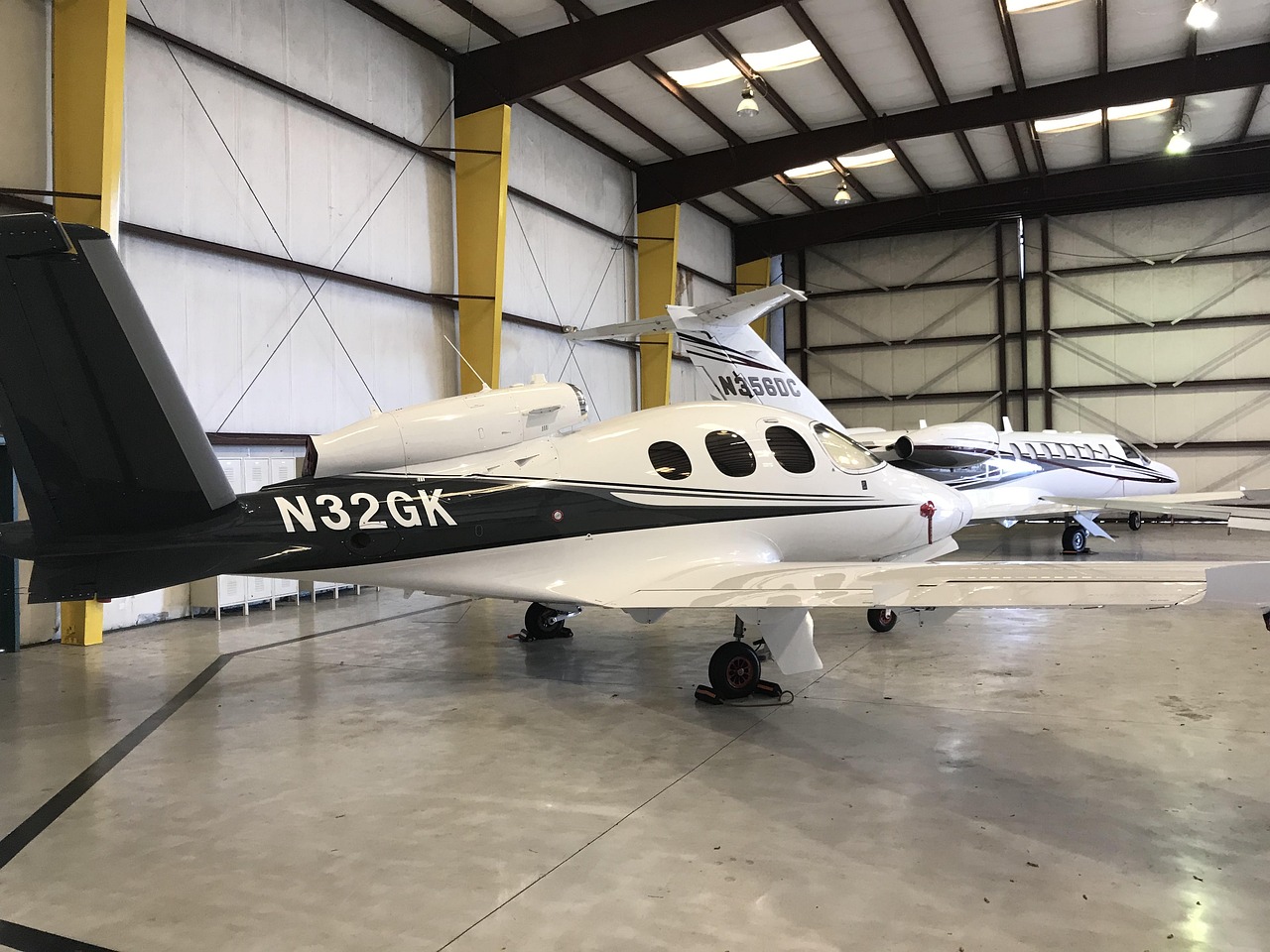
Aircraft ownership involves much more than purchasing an airplane. Owners must also consider where the aircraft will be stored, maintained, protected, and secured. One of the most overlooked aspects of aviation ownership is aircraft shelter infrastructure. Whether it is a private hangar, corporate maintenance facility, portable aircraft shelter, or large aviation complex, proper storage can significantly impact aircraft value, maintenance costs, and operational efficiency.
Because aviation storage facilities can cost anywhere from a few thousand dollars to several million dollars, many owners and operators utilize Aircraft Shelter Financing to fund these projects. Financing allows aviation businesses and private owners to construct, purchase, expand, or upgrade aircraft storage facilities without exhausting working capital.
Proper sheltering of aircraft is often one of the smartest investments an aviation owner can make.
Why Aircraft Need Protection
Aircraft are exposed to numerous environmental hazards.
These include:
- Sun exposure
- Rain
- Snow
- Hail
- Ice
- Wind
- Corrosion
- Debris
Long-term exposure can accelerate wear and increase maintenance expenses.
A properly designed aircraft shelter helps reduce these risks and may extend aircraft life while improving resale value.
What Types of Aircraft Shelters Exist?
Aircraft storage comes in several forms.
Portable Aircraft Shelters
Often used by smaller operators.
Advantages include:
- Lower costs
- Faster installation
- Flexibility
Typical cost:
- $5,000–$100,000+
T-Hangars
Common at municipal airports.
Advantages include:
- Individual storage units
- Lower operating costs
- Suitable for smaller aircraft
Typical cost:
- $50,000–$300,000+
Box Hangars
Designed for larger aircraft.
Advantages include:
- Greater flexibility
- Larger door openings
- Additional workspace
Typical cost:
- $250,000–$5 million+
Corporate Aviation Facilities
Used by charter operators and corporate flight departments.
Advantages include:
- Aircraft storage
- Office space
- Maintenance areas
- Customer facilities
Costs often exceed:
- $1 million–$20 million+
Many operators utilize aviation property financing to acquire these larger facilities.
How Small Can Aircraft Shelters Be?
The smallest shelters are designed for:
- Single-engine aircraft
- Light sport aircraft
- Small helicopters
Typical dimensions:
| Aircraft Type | Typical Shelter Size |
|---|---|
| Small Piston Aircraft | 40′ x 40′ |
| Light Sport Aircraft | 30′ x 30′ |
| Helicopter | 40′ x 50′ |
These structures often provide affordable protection for smaller aviation assets.
How Large Can Aircraft Shelters Be?
Large aviation facilities can become massive.
Examples include:
Business Jet Hangars
Typical dimensions:
- 80′ x 80′
- 100′ x 100′
- 120′ x 120′
Large Cabin Jet Facilities
May exceed:
- 150′ x 150′
- 200′ x 200′
Corporate Aviation Centers
Some facilities exceed:
- 50,000 square feet
These projects frequently involve Aircraft Shelter Financing because of their significant construction costs.
What Size Shelter Does a Private Jet Need?
The answer depends on the aircraft.
Very Light Jets
Examples:
- HondaJet
- Vision Jet
Typical hangar size:
- 50′ x 50′
Light Jets
Examples:
- Citation CJ3
- Phenom 300
Typical hangar size:
- 60′ x 60′
Many buyers who utilize light business jet loans eventually require dedicated storage facilities.
Midsize Jets
Examples:
- Citation Latitude
- Hawker 800XP
Typical hangar size:
- 80′ x 80′
Large Cabin Jets
Examples:
- Gulfstream G700
- Global 7500
Typical hangar size:
- 120′ x 120′ or larger
Proper sizing ensures safe storage and maintenance access.
Benefits of Owning an Aircraft Shelter
Many owners initially rent hangar space.
Eventually, ownership often becomes attractive.
Benefits include:
Reduced Long-Term Costs
Monthly rental fees are eliminated.
Better Aircraft Protection
Owners control facility quality.
Additional Revenue
Unused space may be rented.
Increased Property Value
Aviation facilities often appreciate in value.
This is why many operators combine private jet ownership funding with aviation property acquisitions.
Aviation Property Financing and Airport Real Estate
Aircraft shelters often sit on valuable airport property.
Projects funded through aviation property financing may include:
- Hangars
- Maintenance facilities
- FBO facilities
- Charter terminals
- Aviation office buildings
Airport real estate can become a significant long-term asset.
Many investors view aviation property as a specialized commercial real estate sector.
Typical Aircraft Shelter Cost Comparison
Illustrative estimates only. Actual construction costs vary by location and specifications.
Small Private Jet Financing and Storage Planning
Many first-time owners focus entirely on aircraft acquisition.
However, storage costs should be included in the ownership budget.
Aircraft purchased through small private jet financing programs often require:
- Hangar rent
- Shelter construction
- Security systems
- Insurance coverage
Planning ahead prevents unexpected ownership expenses.
Light Business Jet Loans and Facility Needs
Light jets remain one of the most popular aircraft categories.
Advantages include:
- Lower acquisition costs
- Lower operating expenses
- Smaller storage requirements
Buyers using light business jet loans frequently discover that hangar ownership becomes economically attractive after several years of renting space.
Private Jet Ownership Funding and Total Cost of Ownership
Aircraft acquisition represents only one portion of ownership expenses.
Projects commonly funded alongside private jet ownership funding include:
Aircraft Shelters
Hangar Construction
Security Systems
Maintenance Facilities
Ground Support Equipment
Comprehensive ownership planning helps avoid financial surprises.
Construction Features to Consider
When building a facility, owners should evaluate:
Door Size
Must accommodate aircraft wingspan and tail height.
Ceiling Height
Allows future aircraft upgrades.
Climate Control
Protects avionics and interiors.
Fire Suppression Systems
Often required by regulations.
Security Systems
Protect valuable aviation assets.
These features can significantly impact project costs.
Risks and Challenges
Aircraft shelter projects involve considerations such as:
Construction Delays
Permit Requirements
Airport Lease Agreements
Rising Material Costs
Financing Approval Requirements
Working with aviation professionals can reduce these risks.
Internal Links
Suggested internal links:
- /aircraft-shelter-financing/
- /aviation-property-financing/
- /small-private-jet-financing/
- /light-business-jet-loans/
- /private-jet-ownership-funding/
- /aircraft-loan-calculator/
- /about-us/
- /contact-us/
External Links
Helpful aviation resources:
- FAA: https://www.faa.gov
- NBAA: https://nbaa.org
- AOPA: https://www.aopa.org
- NATA: https://nata.aero
Conclusion
Aircraft shelters play a critical role in protecting aviation assets, reducing maintenance costs, and preserving aircraft value. Whether storing a small piston aircraft or a large international business jet, proper shelter planning should be part of every ownership strategy. Through Aircraft Shelter Financing, owners can construct or acquire facilities that meet current needs while supporting future growth.
Whether utilizing aviation property financing for airport real estate, obtaining small private jet financing for a first aircraft purchase, using light business jet loans to acquire an executive aircraft, or securing private jet ownership funding as part of a broader aviation strategy, understanding storage requirements is essential. A properly designed shelter not only protects the aircraft but also becomes a valuable asset that supports long-term aviation success.
Aviation Property Financing: Building a Privately Owned Cessna Airpark and Aviation Property
Understanding Aviation Property Financing
For many aviation enthusiasts, owning an airplane is only part of the dream. The next step is owning the property where that aircraft is stored, maintained, and operated. A privately held aviation property can provide convenience, flexibility, security, and long-term investment potential that traditional airport hangar rentals cannot match.
Many aircraft owners purchase small parcels of land with a private runway, hangar, maintenance space, and living quarters. Others build private airparks designed around aircraft ownership. Because these projects often involve significant real estate, construction, and infrastructure costs, many buyers utilize aviation property financing to acquire and develop aviation-focused real estate.
In this article, we’ll focus on a typical privately owned Cessna property and explore the costs, requirements, opportunities, and considerations involved in ownership.
What Is a Private Aviation Property?
A private aviation property is land specifically designed to support aircraft operations.
These properties often include:
- Private runway
- Aircraft hangar
- Fuel storage
- Maintenance area
- Residence
- Taxiway access
- Security systems
Many aviation enthusiasts purchase such properties to support aircraft ownership while enjoying the convenience of keeping an airplane close to home.
A privately owned Cessna property is one of the most common forms of aviation real estate.
Why Choose a Cessna Aircraft?
Cessna aircraft remain among the most popular general aviation airplanes in the world.
Popular models include:
Cessna 172
- Four seats
- Easy operation
- Affordable ownership
Cessna 182
- Greater payload
- Improved performance
Cessna 206
- Utility-focused aircraft
- Excellent cargo capability
Cessna Caravan
- Commercial applications
- Cargo and passenger use
Many first-time aircraft owners begin with these aircraft before considering small private jet financing opportunities later in their aviation journey.
How Much Property Is Needed?
The amount of land required depends on the aircraft and runway design.
A typical private Cessna property may include:
| Property Feature | Typical Size |
|---|---|
| Runway Length | 2,000–4,000 ft |
| Runway Width | 50–75 ft |
| Total Property | 10–100+ acres |
| Hangar Area | 2,000–10,000 sq ft |
For most Cessna owners, 20 to 40 acres can comfortably support a private aviation property.
Private Runway Considerations
The runway is the most important component.
Several factors affect runway design:
Aircraft Type
Heavier aircraft require longer runways.
Elevation
Higher elevations require additional runway length.
Surface Material
Options include:
- Grass
- Asphalt
- Concrete
Local Regulations
Permits and approvals may be required.
Proper planning is essential before purchasing property.
Hangar Requirements
Every aircraft needs protection.
Many owners utilize Aircraft Shelter Financing to construct hangars and aviation storage facilities.
For a typical Cessna:
Small Hangar
40 x 40 feet
Medium Hangar
50 x 60 feet
Large Hangar
60 x 80 feet
The ideal size depends on future expansion plans.
Many owners build larger structures than currently needed to accommodate future aircraft acquisitions.
Typical Property Costs
Costs vary significantly by region.
Rural Property
- $100,000–$500,000+
Improved Aviation Property
- $500,000–$2 million+
Luxury Airpark Property
- $1 million–$10 million+
or more.
Because of these costs, aviation property financing often becomes an important part of the ownership strategy.
Building an Airpark Lifestyle
Many aviation property owners enjoy a unique lifestyle.
Advantages include:
Direct Aircraft Access
No commuting to public airports.
Enhanced Security
Aircraft remain on private property.
Convenience
Fly whenever conditions permit.
Community
Many airparks attract aviation-minded residents.
For many pilots, aviation property ownership becomes a lifelong goal.
Typical Development Costs
Building a private aviation property often involves:
Runway Construction
- $100,000–$1 million+
Hangar Construction
- $50,000–$1 million+
Utilities
- Electric
- Water
- Internet
Fuel Storage
- $10,000–$100,000+
Many owners utilize Aircraft Shelter Financing as part of larger property development projects.
How Private Jet Owners Use Aviation Property
Although Cessna aircraft are common, many aviation properties eventually accommodate larger aircraft.
Owners who later pursue private jet ownership funding often expand facilities to support:
- Light jets
- Turboprops
- Helicopters
- Business aircraft
Planning ahead can significantly reduce future construction costs.
Typical Aviation Property Investment
Illustrative estimates only. Actual costs vary by location and project scope.
Small Private Jet Financing and Future Expansion
Many pilots begin with piston aircraft.
Eventually they may pursue:
- Citation CJ series
- HondaJet
- Vision Jet
Aircraft acquired through small private jet financing often require larger hangars and longer runways.
Property owners who anticipate future growth should plan accordingly.
Future-proofing can save substantial money later.
Light Business Jet Loans and Property Design
Some aviation properties eventually support aircraft financed through light business jet loans.
These aircraft require:
Longer Runways
Typically:
- 3,500–5,000+ feet
Larger Hangars
Often:
- 60 x 80 feet or larger
Enhanced Fuel Systems
Improved Taxiways
Designing with future jet ownership in mind can increase property value.
Private Jet Ownership Funding and Real Estate Value
As aviation properties grow, real estate value often increases.
Properties supporting aircraft financed through private jet ownership funding frequently include:
- Executive hangars
- Aircraft maintenance facilities
- Guest accommodations
- Pilot lounges
These amenities can significantly improve property appeal.
Maintenance Considerations
Aircraft property ownership also includes responsibilities.
Runway Maintenance
Hangar Repairs
Security Systems
Fuel Management
Insurance
Owners should budget for ongoing operational expenses.
Risks and Challenges
Potential challenges include:
Weather
Regulatory Compliance
Construction Costs
Environmental Considerations
Property Taxes
Understanding these factors before purchasing can help avoid costly surprises.
Internal Links
Suggested internal links:
- /aviation-property-financing/
- /aircraft-shelter-financing/
- /small-private-jet-financing/
- /light-business-jet-loans/
- /private-jet-ownership-funding/
- /about-us/
- /contact-us/
- /aircraft-loan-calculator/
External Links
Helpful aviation resources:
- FAA: https://www.faa.gov
- AOPA: https://www.aopa.org
- NBAA: https://nbaa.org
- NATA: https://nata.aero
Conclusion
Owning a private aviation property can be one of the most rewarding experiences in aviation. A small Cessna-focused property provides convenience, security, flexibility, and long-term investment potential. Through aviation property financing, owners can acquire land, build runways, construct hangars, and create customized aviation environments that support their flying goals.
Whether utilizing Aircraft Shelter Financing for hangar construction, planning future growth through small private jet financing, designing facilities that may support aircraft acquired through light business jet loans, or incorporating facilities for future private jet ownership funding, thoughtful planning is essential. With proper design and financing, a privately owned aviation property can become both a valuable asset and a gateway to a unique aviation lifestyle.