
LEARJET FINANCING IS AVAILABLE
AVIATION LOAN MATCHING SERVICE
Compare jet loan offers from
specialty aviation lenders.
- No cost to you
- Private & secure
No Cost to You
Aviation Specialists
One Application
Multiple offers side-by-side
Loan Programs
Financing for every aircraft type
New Aircraft Purchase
Pre-Owned Jet Financing
Aircraft Refinancing
Operating Leases
Engine & Maintenance Reserve
Fractional & Shared Ownership
How It Works
A simple, confidential four-step
process
Tell Us About the Aircraft
Make, model, year, intended use, ownership structure. No commitment.
Get Matched
Compare Offers
Close & Take Delivery
Estimate Your Monthly Payment
Move the sliders to see how loan amount, term, and rate shape your monthly cost. Illustrative estimates only — your actual offer depends on your matched lender.
Rate slider is for illustration only. Actual rates vary by aircraft, age, hours, ownership structure, lender, and credit profile.
Illustrative estimates only. Not an offer of credit. Actual terms determined by lender.
Financing for private and
corporate aviation
Private Owners
Corporations
Charter Operators
Fractional Owners
Management Companies
Family Offices
A lending network built for
aviation
Aviation-Specific Underwriting
One Profile, Multiple Offers
No Cost. No Commitment.
Confidential & Discreet
Ready to compare aircraft financing offers?
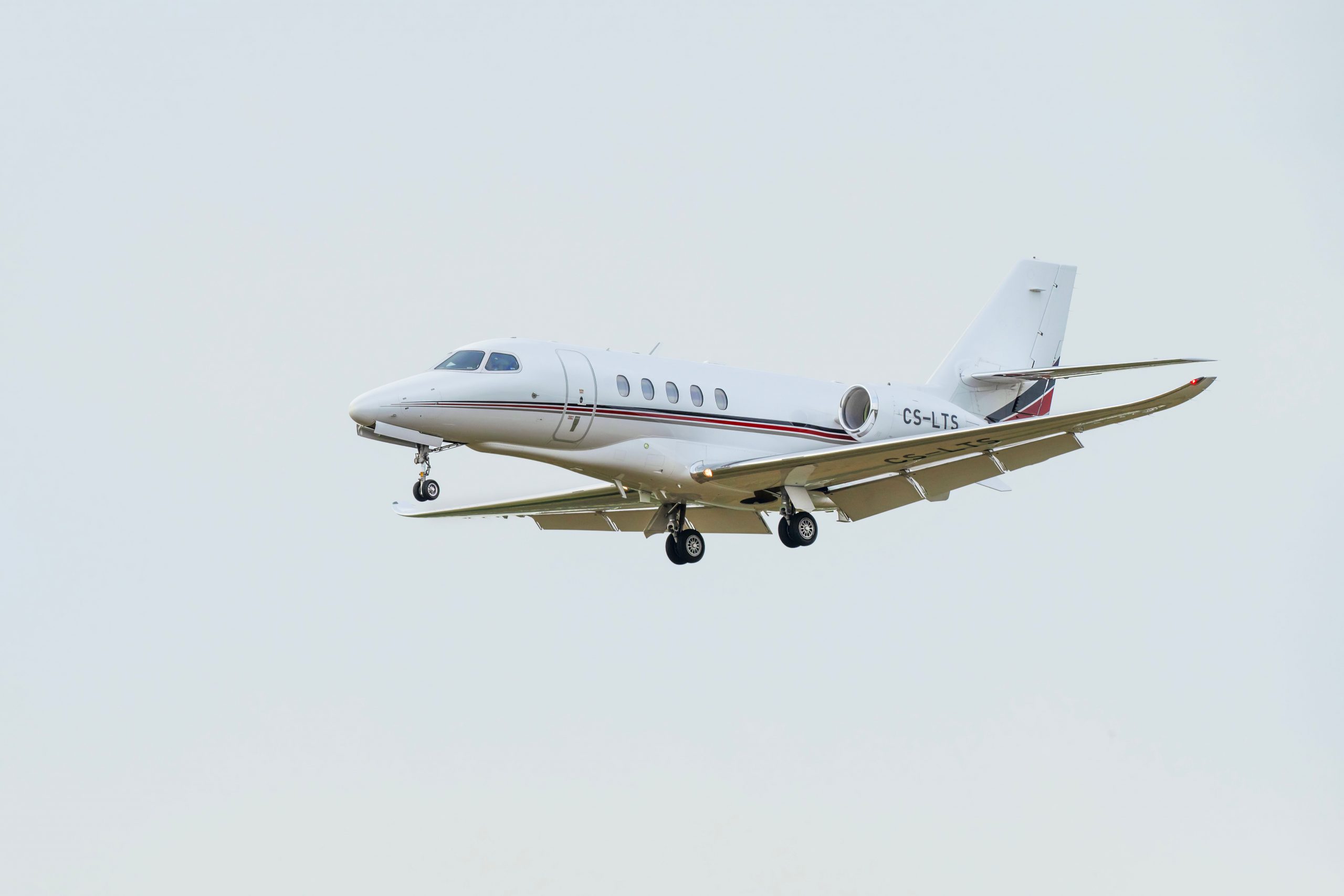
Aviation Financing Partners: Why Marketplaces Create Better Aircraft Financing Opportunities
Introduction to Aviation Financing Partners
Purchasing an aircraft is one of the largest investments many individuals and businesses will ever make. Whether someone is buying a Cessna for personal transportation, a helicopter for commercial operations, or a business jet for executive travel, financing is often an important part of the acquisition process.
Because aircraft values can range from $50,000 to more than $90 million, buyers frequently work with aviation capital partners and specialized lenders to secure competitive financing terms. In recent years, aviation marketplaces have transformed how buyers find lenders by allowing borrowers to submit one application and potentially receive offers from multiple financing sources.
At MachLend.com, we operate as an affiliate partner for an aviation financing marketplace. Rather than contacting individual lenders one at a time, visitors can explore financing opportunities through a network of lending sources designed to simplify the financing process.
Many buyers seeking Learjet financing, researching premium aircraft financing, working with aviation financing providers, or looking to compare aircraft financing options find that marketplaces offer significant advantages over the traditional lending process.
What Are Aviation Financing Partners?
Aviation financing partners are organizations that help connect aircraft buyers with lending sources.
These partners may include:
- Aircraft lenders
- Banks
- Credit unions
- Aviation finance companies
- Equipment finance companies
- Private capital groups
- Leasing companies
Many of these organizations work together through marketplaces that allow buyers to access multiple funding opportunities from a single application.
This is one reason why many buyers begin their search with aviation capital partners rather than contacting individual lenders directly.
How Aircraft Financing Worked in the Past
Historically, aircraft buyers often had to:
- Find a lender
- Complete an application
- Wait for a decision
- Repeat the process if declined
- Compare terms manually
This process could take weeks or months.
Buyers frequently spent significant time contacting various aviation financing providers before finding a lender that fit their needs.
How Aviation Marketplaces Work Today
Modern aviation marketplaces streamline the process.
A typical marketplace allows buyers to:
- Submit one application
- Describe the aircraft
- Provide financial information
- Receive multiple financing opportunities
This approach helps borrowers compare aircraft financing options more efficiently than traditional methods.
Why Marketplaces Continue Growing
Several factors have fueled marketplace growth.
Increased Competition
More lenders competing for business can create better opportunities for borrowers.
Faster Decisions
Many financing requests receive preliminary reviews much faster than traditional methods.
Expanded Access
Borrowers may gain access to lending sources they would not have discovered independently.
Simplified Process
One application can potentially reach multiple lenders.
These benefits make aviation marketplaces increasingly attractive to both aircraft buyers and aviation financing providers.
MachLend.com and Marketplace Financing
MachLend.com helps connect aviation borrowers with marketplace-based financing opportunities.
Instead of requiring visitors to search for individual lenders one at a time, the platform helps simplify the financing search process.
This can be valuable for:
- First-time aircraft buyers
- Business owners
- Charter operators
- Flight schools
- Helicopter operators
- Private pilots
Many visitors seeking Learjet financing or other aircraft funding options appreciate the convenience of a marketplace approach.
Types of Aircraft Commonly Financed
Single Engine Aircraft
Examples include:
- Cessna 172
- Cessna 182
- Piper Archer
- Beechcraft Bonanza
Multi-Engine Aircraft
Examples include:
- Beechcraft Baron
- Piper Seneca
- Cessna 310
Turboprops
Examples include:
- King Air Series
- Pilatus PC-12
- Cessna Caravan
Helicopters
Examples include:
- Robinson R44
- Robinson R66
- Bell 206
- Airbus H125
Business Jets
Examples include:
- Citation Jets
- Challenger Jets
- Gulfstream Aircraft
- Learjet Aircraft
Many buyers utilize marketplaces when seeking premium aircraft financing for these higher-value acquisitions.
Why Compare Aircraft Financing Options?
No two lenders are exactly alike.
Differences may include:
- Down payment requirements
- Interest rates
- Loan terms
- Aircraft age limits
- Credit requirements
- Funding speed
This is why borrowers often seek to compare aircraft financing opportunities before selecting a lender.
Typical Financing Structure
Aircraft financing commonly includes:
Down Payments
- 10% to 30%
Loan Terms
- 5 years
- 10 years
- 15 years
- 20 years
Loan Amounts
- $50,000
- To tens of millions of dollars
The exact structure depends on the borrower and aircraft.
Marketplace Advantages Compared to Individual Lenders
One Application
Perhaps the largest advantage is simplicity.
Instead of applying repeatedly, borrowers complete one submission.
Time Savings
This can reduce administrative work significantly.
Better Visibility
Borrowers may discover additional funding opportunities.
Expanded Competition
Competition often benefits borrowers.
Many buyers seeking premium aircraft financing prefer this approach because high-value aircraft acquisitions often require multiple lending options.
Typical Aircraft Financing Categories
Learjet Financing and Marketplace Benefits
The Learjet remains one of the most recognizable names in business aviation.
Used Learjets typically range from:
- $500,000
- To $10 million+
depending on model and age.
Because these aircraft can vary significantly in value and condition, many buyers use marketplaces when pursuing Learjet financing opportunities.
Multiple lender options may provide additional flexibility.
Working With Aviation Financing Providers
Professional aviation financing providers often understand:
- Aircraft appraisals
- FAA registration
- Aircraft depreciation
- Maintenance records
- Aviation-specific underwriting
This expertise helps simplify transactions involving aircraft ownership.
What Aviation Capital Partners Evaluate
When reviewing applications, aviation capital partners often consider:
Credit Profile
Strong credit generally improves financing opportunities.
Aircraft Type
Aircraft age and market value matter.
Intended Use
Personal, business, or charter use may affect underwriting.
Financial Strength
Income and liquidity are commonly reviewed.
Premium Aircraft Financing for Larger Aircraft
As aircraft values increase, financing becomes more specialized.
Examples include:
- Gulfstream G650
- Gulfstream G700
- Challenger 650
- Falcon 8X
- Global 7500
Many buyers use marketplaces to secure premium aircraft financing for these acquisitions because multiple funding sources may improve overall financing flexibility.
Potential Risks to Understand
Aircraft ownership involves more than acquisition costs.
Owners should evaluate:
- Insurance
- Maintenance
- Hangar costs
- Fuel expenses
- Crew costs
- Regulatory compliance
Financing should be viewed as part of the overall ownership picture.
Internal Links
Suggested MachLend.com Internal Links:
- /learjet-financing/
- /compare-aircraft-financing/
- /premium-aircraft-financing/
- /aviation-financing-providers/
- /aviation-capital-partners/
- /aircraft-loan-calculator/
- /about-us/
- /contact-us/
External Resources
Helpful aviation resources:
- FAA: https://www.faa.gov
- NBAA: https://nbaa.org
- AOPA: https://www.aopa.org
- General Aviation Manufacturers Association: https://gama.aero
Conclusion
The aviation financing industry has evolved significantly over the past decade. Today, borrowers have access to marketplaces that simplify the process of finding financing opportunities through multiple lending sources. For many aircraft buyers, working with aviation capital partners through a marketplace provides a more efficient alternative to contacting lenders individually.
Whether pursuing Learjet financing, seeking premium aircraft financing, reviewing aviation financing providers, or looking to compare aircraft financing opportunities, marketplaces can save time and expand access to financing options. As an affiliate partner of an aviation financing marketplace, MachLend.com helps connect buyers with aviation funding opportunities designed to support aircraft ownership, business growth, and long-term aviation success.
Learjet Financing: Complete Guide to Learjet Models, Prices, Life Expectancy, Ownership Costs, and Financing Options
Introduction to Learjet Financing
For decades, the Learjet name has been synonymous with private jet travel. Founded by aviation pioneer Bill Lear, Learjets became some of the most recognizable business aircraft in the world. Their sleek appearance, impressive speed, and relatively efficient operating costs made them popular among corporations, charter companies, entrepreneurs, entertainers, and private owners.
Although Bombardier ended Learjet production in 2021, the used market remains active, with hundreds of aircraft still flying worldwide. Because acquisition costs range from a few hundred thousand dollars for older models to well over $10 million for newer aircraft, many buyers utilize Learjet financing to make ownership more manageable. Understanding the aircraft lineup, operating costs, life expectancy, and financing options can help buyers make informed decisions before purchasing.
Many buyers seeking Learjet financing also work with aviation capital partners, compare offers from aviation financing providers, review premium aircraft financing options, and use marketplaces to compare aircraft financing opportunities.
What Is a Learjet?
The Learjet became one of the first successful business jets and helped create the modern private aviation industry.
Known for:
- High-speed performance
- Distinctive design
- Strong climb rates
- Business travel efficiency
- Proven reliability
Even though production has ended, Learjets remain popular in both private ownership and charter operations.
Entry-Level Learjet Models
Learjet 25
One of the classic early Learjets.
Typical Used Price:
- $350,000 to $1 million
Passenger Capacity:
- 6 to 8 passengers
Range:
- Approximately 1,500 nautical miles
Many aircraft of this generation require extensive maintenance planning due to age.
Learjet 35A
One of the most successful Learjets ever built.
Typical Used Price:
- $500,000 to $1.5 million
Passenger Capacity:
- 6 to 8 passengers
Range:
- Approximately 2,000 nautical miles
The Lear 35 remains popular among charter and special-mission operators.
Learjet 45
The Learjet 45 represented a major modernization of the brand.
Typical Used Price:
- $1 million to $3.5 million+
Passenger Capacity:
- 8 passengers
Range:
- Approximately 2,000 nautical miles
Many examples remain active in charter fleets today.
Mid-Level Learjets
Learjet 60
The Lear 60 remains one of the most respected midsize Learjets.
Typical Used Price:
- $2 million to $5 million
Passenger Capacity:
- 8 passengers
Range:
- Approximately 2,400 nautical miles
The aircraft combines speed with strong passenger comfort.
Learjet 60XR
An enhanced version of the Lear 60.
Typical Market Value:
- Approximately $3.9 million to $4.25 million for newer examples.
Passenger Capacity:
- Up to 8 passengers
Range:
- Approximately 2,400 nautical miles
High-End Learjet Models
Learjet 75
The Learjet 75 became the flagship of the Learjet line.
Specifications:
- 8 passengers
- Approximately 2,000 nautical mile range
- Cruise speeds exceeding 500 mph
Used Market Value:
- Roughly $4 million to $7 million depending on year and condition.
Original New Price:
- Approximately $13 million to $14.5 million.
Learjet 75 Liberty
The final major Learjet variant.
Original New Price:
- Approximately $9.9 million.
Passenger Capacity:
- 4 to 9 passengers
Range:
- Approximately 2,000 nautical miles.
Typical Learjet Market Values
How Long Does a Learjet Last?
Unlike automobiles, aircraft do not have a traditional retirement age.
A well-maintained Learjet can remain operational for:
- 30 years
- 40 years
- 50 years or more
Many Learjet 35 aircraft built in the 1970s remain active today.
The true life expectancy depends on:
- Airframe condition
- Maintenance history
- Corrosion control
- Engine condition
- Avionics modernization
Aircraft that receive proper maintenance can remain economically viable for decades.
Annual Ownership Costs
Purchasing the aircraft is only the beginning.
Fuel
Fuel remains one of the largest expenses.
Annual fuel budgets commonly range from:
- $150,000
- To over $700,000
depending on aircraft utilization.
Crew
Most Learjets require:
- Two professional pilots
Annual crew expenses often range:
- $180,000 to $400,000+
Insurance
Typical insurance costs:
- $15,000 to $100,000+
depending on aircraft value and pilot qualifications.
Hangar Storage
Storage expenses vary significantly.
Typical annual costs:
- $15,000 to $100,000+
depending on airport location.
Maintenance Costs
Maintenance is one of the most important ownership considerations.
Common maintenance items include:
Scheduled Inspections
Required at specified intervals.
Engine Programs
Many owners participate in engine maintenance programs.
Avionics Upgrades
Modern avionics can dramatically improve aircraft value.
Parts Replacement
Life-limited components require periodic replacement.
Owners frequently work with aviation capital partners when planning large maintenance events.
Learjet Operating Costs
Examples of annual operating costs:
| Aircraft | Approximate Annual Budget |
|---|---|
| Learjet 45 | $900,000 to $2.5M |
| Learjet 75 | $900,000 to $1.7M+ |
Actual costs vary based on flight hours, fuel prices, and maintenance requirements.
Why Buyers Still Choose Learjets
Despite the end of production, Learjets remain attractive because of:
Performance
Learjets are known for speed.
Brand Recognition
The Learjet name remains iconic.
Value
Used Learjets often provide significant capability for the purchase price.
Charter Demand
Many charter operators continue utilizing Learjet aircraft.
These advantages help support continued demand for Learjet financing.
Working With Aviation Financing Providers
Aircraft financing differs significantly from automobile financing.
Specialized aviation financing providers understand:
- Aircraft values
- Maintenance history
- FAA requirements
- Aircraft registration
- Market conditions
Working with aviation-focused lenders often simplifies transactions.
Why Compare Aircraft Financing Options?
No two lenders evaluate aircraft the same way.
Differences may include:
- Interest rates
- Down payment requirements
- Aircraft age limitations
- Loan terms
- Approval speed
This is why many buyers use marketplaces to compare aircraft financing opportunities before selecting a lender.
Premium Aircraft Financing for Business Jets
Large business aircraft often require specialized financing.
Examples include:
- Learjet 75
- Gulfstream aircraft
- Challenger aircraft
- Falcon aircraft
Many buyers use premium aircraft financing programs to preserve capital while acquiring higher-value aircraft.
Internal Links
Suggested MachLend.com Internal Links:
- /learjet-financing/
- /compare-aircraft-financing/
- /premium-aircraft-financing/
- /aviation-financing-providers/
- /aviation-capital-partners/
- /aircraft-loan-calculator/
- /about-us/
- /contact-us/
External Resources
Helpful aviation resources:
- FAA: https://www.faa.gov
- NBAA: https://nbaa.org
- AOPA: https://www.aopa.org
- Bombardier Business Aircraft: https://businessaircraft.bombardier.com
Conclusion
The Learjet remains one of the most recognizable names in business aviation. From entry-level Learjet 25 aircraft available for under $1 million to newer Learjet 75 Liberty models originally priced near $10 million, the brand offers a wide range of ownership opportunities. A properly maintained Learjet can remain operational for several decades, making it a viable long-term aviation investment.
Buyers considering Learjet financing should carefully evaluate acquisition costs, maintenance history, operating expenses, and long-term ownership goals. Whether working with aviation financing providers, consulting aviation capital partners, seeking premium aircraft financing, or looking to compare aircraft financing opportunities through a marketplace such as MachLend.com, understanding the complete financial picture can help ensure a successful aircraft acquisition.