
CESSNA FINANCING IS AVAILABLE
AVIATION LOAN MATCHING SERVICE
Compare jet loan offers from
specialty aviation lenders.
- No cost to you
- Private & secure
No Cost to You
Aviation Specialists
One Application
Multiple offers side-by-side
Loan Programs
Financing for every aircraft type
New Aircraft Purchase
Pre-Owned Jet Financing
Aircraft Refinancing
Operating Leases
Engine & Maintenance Reserve
Fractional & Shared Ownership
How It Works
A simple, confidential four-step
process
Tell Us About the Aircraft
Make, model, year, intended use, ownership structure. No commitment.
Get Matched
Compare Offers
Close & Take Delivery
Estimate Your Monthly Payment
Move the sliders to see how loan amount, term, and rate shape your monthly cost. Illustrative estimates only — your actual offer depends on your matched lender.
Rate slider is for illustration only. Actual rates vary by aircraft, age, hours, ownership structure, lender, and credit profile.
Illustrative estimates only. Not an offer of credit. Actual terms determined by lender.
Financing for private and
corporate aviation
Private Owners
Corporations
Charter Operators
Fractional Owners
Management Companies
Family Offices
A lending network built for
aviation
Aviation-Specific Underwriting
One Profile, Multiple Offers
No Cost. No Commitment.
Confidential & Discreet
Ready to compare aircraft financing offers?
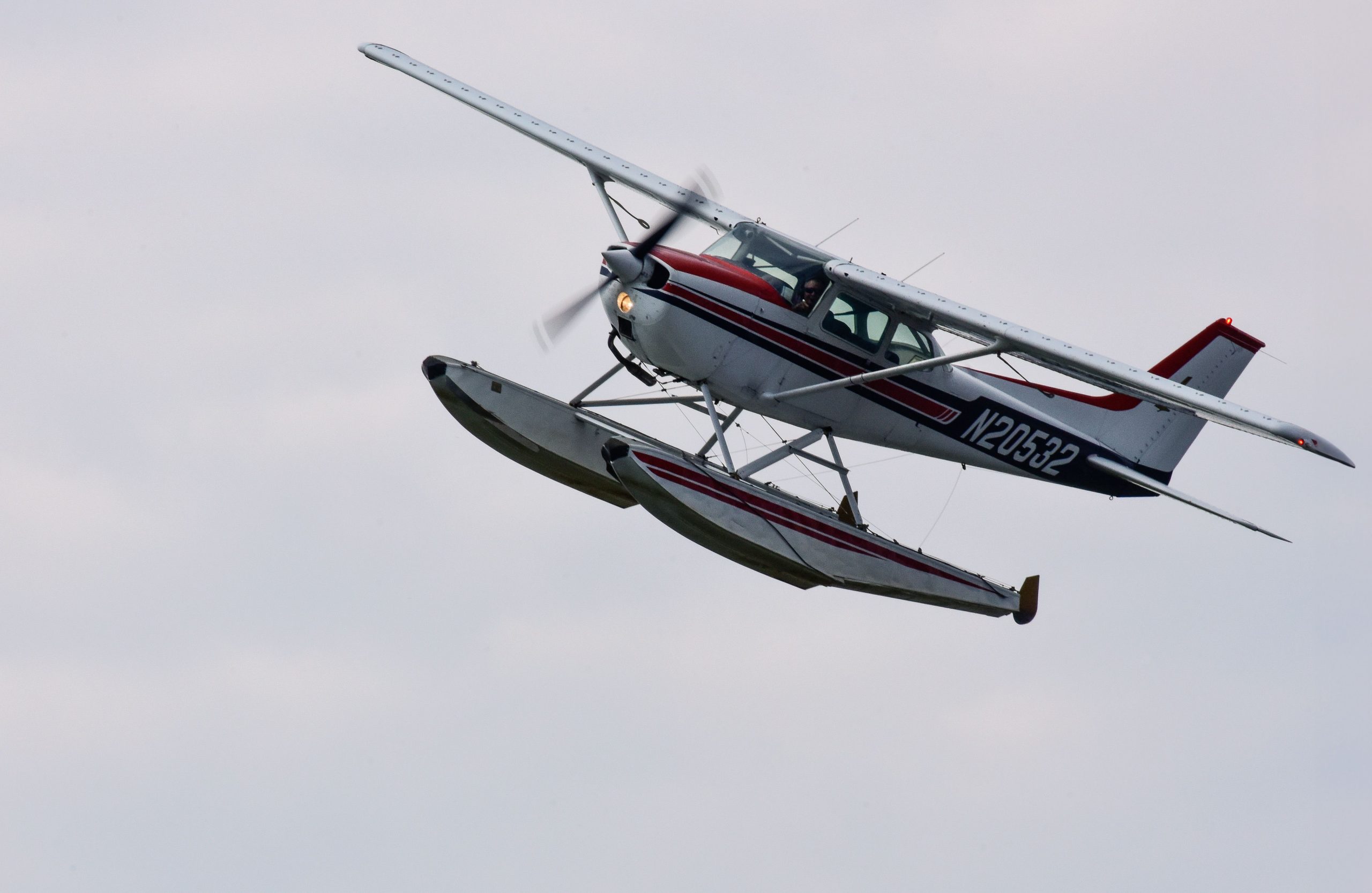
Cessna Equity Loan: Using Your Aircraft’s Value to Access Capital
Owning a Cessna aircraft can provide more than transportation, flight training opportunities, or personal enjoyment. Many owners eventually discover that their airplane may serve as a financial asset that can help generate working capital. A Cessna equity loan allows owners to borrow against the value they have built in their aircraft while continuing to use and operate it.
Whether you own a Cessna 150, 172, 182, 206, Caravan, or another model, understanding how aircraft equity lending works can help you determine if borrowing against your airplane makes financial sense. This guide explains loan-to-value ratios, depreciation trends, refinancing options, and the factors lenders evaluate before approving financing.
What Is a Cessna Equity Loan?
A Cessna equity loan works similarly to a home equity loan. Instead of borrowing against a house, the borrower uses the value of a Cessna aircraft as collateral.
The lender determines:
- Current market value
- Aircraft condition
- Maintenance records
- Engine time
- Avionics upgrades
- Remaining loan balance
The difference between the aircraft’s value and any existing debt becomes the owner’s available equity.
For example:
| Item | Amount |
|---|---|
| Aircraft Value | $300,000 |
| Existing Loan Balance | $120,000 |
| Equity Available | $180,000 |
The lender may allow a portion of that equity to be borrowed.
Many pilots use a Cessna equity loan to fund business investments, aircraft upgrades, hangar construction, or other major expenses.
Typical Loan-to-Value Ratios
One of the most common questions involves maximum loan amounts.
Most aviation lenders operate within specific loan-to-value (LTV) guidelines.
Typical LTV ranges include:
| Aircraft Type | Typical Maximum LTV |
|---|---|
| Older Cessna Aircraft | 60% – 70% |
| Mid-Life Aircraft | 70% – 80% |
| Newer Aircraft | 75% – 85% |
Example:
Aircraft Value: $400,000
Maximum LTV: 80%
Maximum Loan Amount:
$320,000
If an existing loan balance is $150,000, available equity might be:
$170,000
The exact amount depends on lender guidelines and borrower qualifications.
Estimated Aircraft Equity Lending Levels
Illustrative aviation lending ranges based on aircraft age and condition.
How Much Does a New Cessna Depreciate?
Unlike automobiles, aircraft often depreciate more slowly.
Certain Cessna models have maintained value surprisingly well over time due to strong demand and limited production.
Typical depreciation pattern:
Year 1
Most new aircraft lose:
5% to 15%
of value after delivery.
Years 2-5
Annual depreciation often ranges:
3% to 7%
per year.
Years 6-15
Depreciation generally slows to:
2% to 5%
per year.
Older Aircraft
Well-maintained aircraft sometimes stabilize in value and may even appreciate after major upgrades.
This is one reason many lenders are comfortable offering aircraft loans for Cessnas with relatively long repayment periods.
Example Cessna Depreciation
New Cessna 182
| Year | Estimated Value |
|---|---|
| Purchase | $700,000 |
| Year 1 | $630,000 |
| Year 3 | $590,000 |
| Year 5 | $550,000 |
| Year 10 | $480,000 |
Actual values depend heavily upon:
- Market demand
- Airframe hours
- Maintenance history
- Engine condition
- Avionics packages
Which Cessna Models Qualify?
Most lenders finance a wide variety of aircraft.
Common examples include:
Cessna 150
Often used for flight training and personal flying.
Cessna 152
Popular among flight schools.
Cessna 172
The most recognized training aircraft in aviation history.
Cessna 182
Known for speed and useful load.
Cessna 206
Frequently used for cargo and utility operations.
Cessna Caravan
One of the most successful turboprop aircraft ever built.
Owners seeking financing a Cessna 150 often discover that many of the same lending principles apply to larger aircraft.
Why Owners Use Aircraft Equity
Aircraft owners borrow against equity for many reasons.
Common uses include:
Avionics Upgrades
Modern glass cockpit systems can cost:
$20,000 to $150,000+
Engine Overhauls
Depending on aircraft type:
$25,000 to $500,000+
Hangar Construction
Some owners build private storage facilities.
Business Expansion
Business owners sometimes leverage aircraft equity to fund growth opportunities.
Debt Consolidation
A lower-rate aviation loan may replace higher-interest obligations.
Many owners combine a Cessna equity loan with an aircraft refinance Cessna strategy to improve overall cash flow.
Understanding Aircraft Refinancing
Refinancing involves replacing an existing loan with a new one.
Benefits may include:
- Lower monthly payments
- Longer repayment terms
- Cash-out equity access
- Fixed interest rates
An aircraft refinance Cessna transaction may be particularly useful when interest rates decline or when aircraft values have increased.
What Lenders Evaluate
Aviation lenders focus on several areas.
Credit Score
Higher scores often receive better terms.
Income Verification
Borrowers must demonstrate repayment ability.
Aircraft Condition
Aircraft inspections help determine collateral value.
Maintenance Logs
Complete records improve approval odds.
Aircraft Age
Newer aircraft typically qualify for higher LTV limits.
Working with lenders experienced in Cessna financing can help simplify the underwriting process.
Advantages of Borrowing Against Aircraft Equity
Retain Ownership
You continue flying the airplane.
Access Capital
No need to sell the aircraft.
Flexible Uses
Funds can often be used for personal or business purposes.
Potential Tax Benefits
Business owners may have deductible expenses depending on usage and tax structure.
Always consult a tax professional.
Many borrowers explore Cessna financing specifically because it can unlock capital without disrupting flight operations.
Potential Risks
Aircraft equity lending is not risk-free.
Potential concerns include:
Market Value Changes
Aircraft values can fluctuate.
Maintenance Surprises
Unexpected repairs may impact resale value.
Loan Obligations
Missed payments can place the aircraft at risk.
Interest Costs
Borrowing always increases total financing expenses.
Owners should evaluate long-term affordability before obtaining a Cessna equity loan.
How Aircraft Values Are Determined
Lenders often use:
- Aircraft Bluebook data
- Market listings
- Independent appraisals
- Dealer valuations
Factors affecting value include:
- Total time
- Engine hours
- Paint condition
- Interior condition
- Avionics packages
- Accident history
These factors directly impact approval for aircraft loans for Cessnas.
Internal Links
Suggested MachLend.com Internal Links:
- /cessna-financing/
- /aircraft-refinance-cessna/
- /financing-a-cessna-150/
- /aircraft-loans-for-cessnas/
- /aircraft-loan-calculator/
- /about-us/
- /contact-us/
External Resources
Useful aviation resources:
- Federal Aviation Administration (FAA): https://www.faa.gov
- Aircraft Owners and Pilots Association (AOPA): https://www.aopa.org
- National Business Aviation Association (NBAA): https://nbaa.org
- Cessna Aircraft: https://cessna.txtav.com
Conclusion
A Cessna equity loan can be an effective financial tool for aircraft owners who have built significant value in their airplanes. Depending on aircraft age and condition, lenders commonly offer loan-to-value ratios ranging from 60% to 85%. While most new aircraft experience initial depreciation during the first few years, well-maintained Cessnas often retain value better than many other assets, making them attractive collateral.
Whether you currently own a Cessna, are evaluating Cessna financing, considering an aircraft refinance Cessna, researching financing a Cessna 150, or exploring aircraft loans for Cessnas, understanding equity lending can help you maximize the value of your aircraft while maintaining ownership. Careful planning, strong maintenance records, and working with experienced aviation lenders can significantly improve financing outcomes and help you access capital when needed.
Financing a Cessna 150: Complete Guide to Ownership, Costs, and Aircraft Financing
Introduction to Financing a Cessna 150
For decades, the Cessna 150 has been one of the most recognized aircraft in general aviation. Affordable, reliable, and relatively inexpensive to operate, it has trained thousands of pilots around the world. Many aircraft owners begin their aviation journey with this airplane because it offers a practical entry point into aircraft ownership.
Whether you are a first-time pilot, flight school operator, or aviation enthusiast, understanding financing a Cessna 150 can help you determine whether ownership makes sense for your budget and long-term goals.
The Cessna 150 remains popular because it combines low operating costs with excellent safety characteristics and a strong resale market. For many buyers, it is the most affordable path into aircraft ownership.
History of the Cessna 150
The Cessna 150 was introduced in 1958 as a replacement for the earlier Cessna 140 series.
Production continued until 1977, when it was replaced by the Cessna 152.
During its production run:
- More than 23,000 aircraft were built
- It became one of the most successful trainers ever produced
- Flight schools adopted it worldwide
- Private owners embraced its simplicity and affordability
Today, thousands remain active and continue flying daily.
Many lenders that offer Cessna financing specifically recognize the strong market demand and longevity of this aircraft.
What Is a Cessna 150 Used For?
The aircraft was designed primarily for:
Flight Training
Its most common role remains pilot training.
Students learn:
- Takeoffs
- Landings
- Navigation
- Emergency procedures
- Cross-country operations
Recreational Flying
Many owners simply enjoy weekend flights and sightseeing.
Time Building
Commercial pilot candidates often purchase one to accumulate flight hours.
Personal Transportation
Although not designed for large families, the aircraft serves short-distance transportation needs effectively.
These uses continue to support strong demand for aircraft loans for Cessnas throughout the aviation market.
Aircraft Specifications
Typical Cessna 150 specifications include:
| Specification | Approximate Value |
|---|---|
| Seating | 2 People |
| Cruise Speed | 105–115 MPH |
| Range | 350–500 Miles |
| Fuel Capacity | 22–26 Gallons |
| Useful Load | 500–550 Pounds |
| Wingspan | 33 Feet |
| Length | 24 Feet |
Its compact size makes storage easier and more affordable than many larger aircraft.
What Does a Cessna 150 Cost?
Prices vary based on:
- Year
- Total time
- Engine condition
- Avionics
- Paint
- Interior condition
Entry-Level Aircraft
Older aircraft requiring cosmetic updates often sell for:
$20,000 to $35,000
Average Market Aircraft
Well-maintained examples commonly sell for:
$40,000 to $70,000
Premium Aircraft
Fully restored aircraft with modern avionics may reach:
$80,000 to $120,000+
Some exceptional examples have exceeded these values.
Buyers researching financing a Cessna 150 are often surprised at how affordable entry-level ownership can be compared to many recreational vehicles or boats.
Estimated Market Value by Condition
| Condition | Typical Value |
| Project Aircraft | $20,000 – $35,000 |
| Average Condition | $40,000 – $70,000 |
| Refurbished | $70,000 – $90,000 |
| Premium Restored | $90,000 – $120,000+ |
How Long Do Cessna 150s Last?
One of the biggest advantages of this aircraft is longevity.
Unlike automobiles, aircraft are maintained under strict inspection schedules.
A properly maintained airframe can easily remain operational for:
- 40 years
- 50 years
- 60 years or more
Many Cessna 150s built in the 1960s remain active today.
The true determinant of lifespan is maintenance quality rather than age.
Engine Life Expectancy
Most Cessna 150 aircraft utilize Continental engines.
Typical engine overhaul intervals range:
1,500 to 1,800 hours
Engine overhaul costs generally range:
$18,000 to $35,000
depending on engine condition and labor costs.
Many buyers evaluating Cessna financing carefully review engine hours before purchasing.
Annual Ownership Costs
Owning a Cessna 150 is considerably less expensive than operating larger aircraft.
Fuel
Typical fuel burn:
5 to 6 gallons per hour
Annual fuel expenses vary based on usage.
Insurance
Insurance often ranges:
$800 to $3,000 annually
depending on pilot experience.
Hangar
Hangar costs may range:
$1,200 to $12,000 annually
depending on airport location.
Annual Inspection
FAA-required inspections typically cost:
$1,000 to $3,000
Repairs increase this amount.
Depreciation Characteristics
Unlike automobiles, aircraft do not necessarily lose value rapidly.
Many Cessna 150s have stabilized in value due to:
- Limited supply
- Strong demand
- Flight school usage
- Affordable operating costs
Some well-maintained examples have appreciated in recent years.
This stability often supports favorable terms for aircraft loans for Cessnas.
Financing Options
Aircraft lenders generally offer several financing structures.
Traditional Aircraft Loan
The most common option.
Typical terms:
- 5 years
- 10 years
- 15 years
- 20 years
Refinancing
Existing owners may utilize an aircraft refinance Cessna transaction to:
- Lower payments
- Extend terms
- Access equity
Equity Lending
Owners with substantial value in their aircraft may qualify for a Cessna equity loan.
These loans use the aircraft as collateral.
Down Payment Requirements
Many lenders require:
10% to 25% down
However, requirements vary depending on:
- Credit score
- Aircraft age
- Purchase price
- Income
The aircraft itself typically secures the financing.
Loan Approval Factors
Lenders commonly evaluate:
Credit Profile
Strong credit often receives better terms.
Income
Borrowers must demonstrate repayment ability.
Aircraft Condition
Maintenance history significantly affects approval.
Aircraft Value
The lender determines current market value before approving financing.
These factors apply whether pursuing financing a Cessna 150 or a larger aircraft purchase.
Why Pilots Choose the Cessna 150
The aircraft remains popular because of:
Affordability
Entry-level ownership costs remain among the lowest in aviation.
Easy Maintenance
Parts remain widely available.
Excellent Training Platform
Flight schools continue using them extensively.
Strong Community Support
Thousands of owners share maintenance knowledge and operational advice.
Resale Stability
Market demand remains strong.
Potential Drawbacks
No aircraft is perfect.
Potential limitations include:
Limited Seating
Only two occupants.
Limited Useful Load
Heavy passengers may affect payload capacity.
Modest Cruise Speed
Larger aircraft travel considerably faster.
Weather Limitations
The aircraft performs best under favorable weather conditions.
Despite these limitations, demand for Cessna financing remains strong due to the aircraft’s overall value proposition.
Who Typically Buys a Cessna 150?
Common buyers include:
- Student pilots
- Flight instructors
- Flight schools
- Aviation enthusiasts
- Retired pilots
- Time-building commercial pilots
Many first-time buyers begin with a Cessna 150 before upgrading to larger aircraft.
Internal Links
Suggested MachLend.com Internal Links:
- /cessna-financing/
- /cessna-equity-loan/
- /aircraft-refinance-cessna/
- /aircraft-loans-for-cessnas/
- /cessna-172-financing/
- /aircraft-loan-calculator/
- /about-us/
- /contact-us/
External Resources
Helpful aviation resources:
- FAA: https://www.faa.gov
- AOPA: https://www.aopa.org
- EAA: https://www.eaa.org
- Textron Aviation: https://cessna.txtav.com
Conclusion
The Cessna 150 remains one of the most affordable and practical aircraft ever produced. With entry-level prices beginning around $20,000 and premium examples exceeding $100,000, ownership remains accessible for many pilots. Its primary uses include flight training, recreational flying, and time building, while its airframe can last for decades when properly maintained.
Whether you’re exploring financing a Cessna 150, considering a Cessna equity loan, evaluating an aircraft refinance Cessna option, researching Cessna financing, or comparing aircraft loans for Cessnas, understanding ownership costs and aircraft values can help you make a more informed aviation investment decision. For many pilots, the Cessna 150 remains one of the best entry points into aircraft ownership and the broader world of general aviation.