
HELICOPTER FINANCING IS AVAILABLE
AVIATION LOAN MATCHING SERVICE
Compare jet loan offers from
specialty aviation lenders.
- No cost to you
- Private & secure
No Cost to You
Aviation Specialists
One Application
Multiple offers side-by-side
Loan Programs
Financing for every aircraft type
New Aircraft Purchase
Pre-Owned Jet Financing
Aircraft Refinancing
Operating Leases
Engine & Maintenance Reserve
Fractional & Shared Ownership
How It Works
A simple, confidential four-step
process
Tell Us About the Aircraft
Make, model, year, intended use, ownership structure. No commitment.
Get Matched
Compare Offers
Close & Take Delivery
Estimate Your Monthly Payment
Move the sliders to see how loan amount, term, and rate shape your monthly cost. Illustrative estimates only — your actual offer depends on your matched lender.
Rate slider is for illustration only. Actual rates vary by aircraft, age, hours, ownership structure, lender, and credit profile.
Illustrative estimates only. Not an offer of credit. Actual terms determined by lender.
Financing for private and
corporate aviation
Private Owners
Corporations
Charter Operators
Fractional Owners
Management Companies
Family Offices
A lending network built for
aviation
Aviation-Specific Underwriting
One Profile, Multiple Offers
No Cost. No Commitment.
Confidential & Discreet
Ready to compare aircraft financing offers?
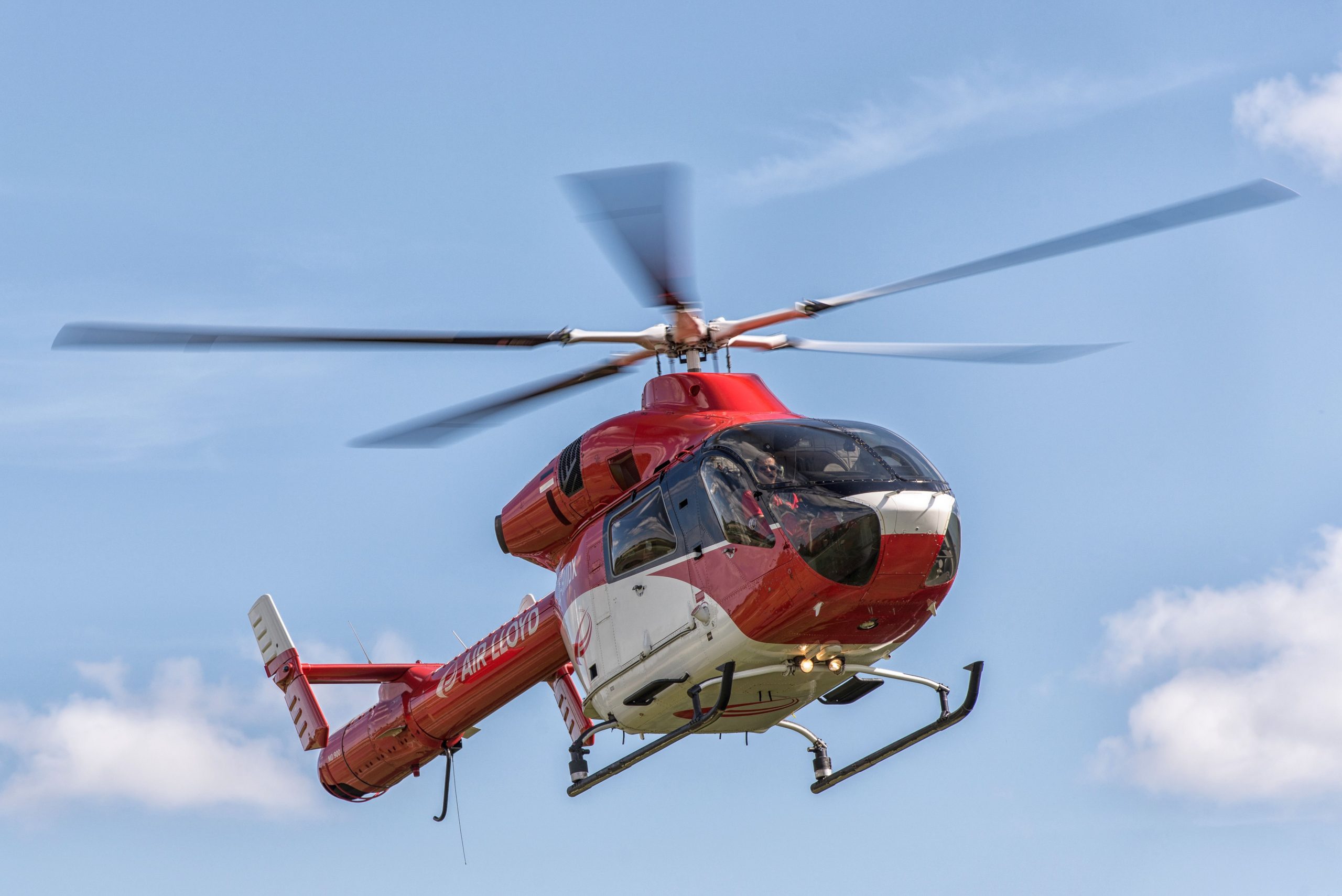
Helicopter Financing: A Complete Guide to Buying and Owning Your First Helicopter
Introduction to Helicopter Financing
Helicopters occupy a unique place in aviation. Unlike fixed-wing aircraft, helicopters can take off vertically, land in confined spaces, and access locations that traditional airplanes cannot reach. They are used by private owners, business executives, emergency medical services, law enforcement agencies, utility companies, tour operators, and agricultural businesses.
Because helicopter prices can range from under $200,000 for older piston models to more than $20 million for advanced turbine aircraft, many buyers utilize Helicopter financing to make ownership more affordable. Financing allows purchasers to spread acquisition costs over time while preserving cash reserves for operating expenses, business investments, and future upgrades.
Whether you’re considering your first helicopter or expanding an aviation fleet, understanding ownership costs, maintenance requirements, and available financing options is critical.
Why People Buy Helicopters
Helicopters serve purposes that fixed-wing aircraft simply cannot.
Common uses include:
- Executive transportation
- Emergency medical flights
- Search and rescue operations
- Tourism and sightseeing
- Utility and powerline inspection
- Agriculture and crop management
- Personal recreation
Many buyers begin researching funding an aircraft purchase after discovering the flexibility helicopters provide compared to traditional airplanes.
Small Entry-Level Helicopters
Robinson R22
The Robinson R22 is often considered the most affordable helicopter available.
Typical Specifications:
- Seats: 2
- Cruise Speed: 96 mph
- Range: Approximately 240 miles
Typical Market Value:
- Older Models: $80,000–$180,000
- New Models: $350,000+
The R22 is commonly used for flight training and recreational flying.
Robinson R44
The Robinson R44 is one of the world’s best-selling civilian helicopters.
Specifications:
- Seats: 4
- Cruise Speed: 130 mph
- Range: Approximately 350 miles
Typical Pricing:
- Used: $250,000–$600,000
- New: $650,000–$900,000+
Robinson R66
The R66 introduced turbine power to Robinson’s lineup.
Specifications:
- Seats: 5
- Turbine Engine
- Cruise Speed: Approximately 140 mph
Pricing:
- Used: $700,000–$1.2 million
- New: $1.3 million+
Many buyers utilize Helicopter financing to acquire aircraft in this category.
Mid-Size Helicopters
Airbus H125
Formerly known as the AS350.
Typical Uses:
- Tourism
- Utility work
- Law enforcement
- EMS operations
Price Range:
- Used: $1 million–$3 million
- New: $3 million–$4 million+
Bell 407
A highly respected turbine helicopter.
Typical Pricing:
- Used: $1.5 million–$4 million
- New: $4 million–$5 million+
Large Executive Helicopters
Executive helicopters offer luxury transportation similar to private jets.
Examples:
- Airbus ACH160
- Leonardo AW139
- Sikorsky S-76
Typical Pricing:
- $8 million to $20 million+
These aircraft often feature:
- Luxury seating
- Soundproof cabins
- Premium entertainment systems
- Executive interiors
Typical Purchase Costs
| Helicopter Type | Typical Cost |
|---|---|
| Robinson R22 | $80K – $350K |
| Robinson R44 | $250K – $900K |
| Robinson R66 | $700K – $1.3M |
| Airbus H125 | $1M – $4M |
| Bell 407 | $1.5M – $5M |
| Executive Helicopters | $8M – $20M+ |
Approximate Helicopter Purchase Costs
How Helicopter Financing Works
Unlike automobile loans, aviation financing involves specialized lenders.
Typical financing terms include:
Down Payment
Most lenders require:
- 10% to 30% down
Loan Terms
Common loan lengths include:
- 5 years
- 10 years
- 15 years
- 20 years
Interest Rates
Rates depend on:
- Credit profile
- Aircraft age
- Aircraft value
- Financial history
Many lenders offer customized aircraft finance programs specifically for helicopters.
Annual Ownership Costs
Buying the helicopter is only the beginning.
Insurance
Annual premiums typically range:
- $2,000 to $50,000+
depending on aircraft type and pilot experience.
Hangar Storage
Storage costs vary by airport.
Typical annual expenses:
- $3,000 to $30,000+
Fuel Costs
Fuel consumption varies greatly.
Robinson R44
- Approximately 15 gallons per hour
Bell 407
- Approximately 50 gallons per hour
Large Executive Helicopters
- 80+ gallons per hour
Annual fuel costs can range from:
- $5,000 to over $200,000
Maintenance Costs
Maintenance is one of the largest ownership expenses.
Routine Maintenance
Annual inspections typically cost:
- $1,000 to $20,000+
depending on aircraft size.
Rotor System Maintenance
Helicopters have more moving parts than airplanes.
Owners must monitor:
- Main rotor systems
- Tail rotor systems
- Gearboxes
- Hydraulic systems
Engine Overhauls
Major overhaul costs can range:
Small Piston Helicopters
- $30,000–$80,000
Turbine Helicopters
- $150,000–$1 million+
Planning for overhaul reserves is critical.
Financing a Used Helicopter
Many buyers choose pre-owned aircraft.
Advantages include:
- Lower purchase price
- Reduced depreciation
- Larger aircraft within budget
These buyers often compare helicopter loans with options for financing a used Cessna since both represent popular entry points into aviation ownership.
Helicopter Ownership vs Airplane Ownership
Helicopters offer unmatched flexibility but generally cost more to operate.
Helicopter Advantages
- Vertical takeoff and landing
- No runway required
- Superior access to remote areas
Airplane Advantages
- Lower operating costs
- Greater range
- Simpler maintenance
Buyers evaluating aviation purchases often compare helicopter ownership with financing a used Cessna before deciding which platform best fits their mission.
Aircraft Funding Solutions for Businesses
Businesses frequently use helicopters for:
- Executive transportation
- Infrastructure inspection
- Emergency response
- Utility operations
Many companies rely on specialized aircraft funding solutions to preserve working capital while acquiring aviation assets.
Some lenders also bundle maintenance reserves, insurance considerations, and acquisition costs into broader aircraft funding solutions packages.
Funding an Aircraft Purchase: What Lenders Evaluate
When funding an aircraft purchase, lenders typically review:
- Credit score
- Net worth
- Income or business revenue
- Aircraft age
- Aircraft condition
- Pilot qualifications
The stronger the applicant profile, the more favorable the financing terms may become.
Aircraft Finance Programs Available
Common aircraft finance programs include:
Fixed Rate Loans
Predictable monthly payments.
Variable Rate Loans
Rates adjust with market conditions.
Balloon Loans
Lower monthly payments with larger final payments.
Commercial Aviation Loans
Designed for business operators and charter companies.
Many aviation lenders offer aircraft finance programs specifically tailored to helicopter owners.
Internal Links
Suggested MachLend.com Internal Links:
- /helicopter-financing/
- /aircraft-finance-programs/
- /aircraft-funding-solutions/
- /financing-a-used-cessna/
- /funding-an-aircraft-purchase/
- /aircraft-loan-calculator/
- /about-us/
- /contact-us/
External Resources
Helpful aviation resources:
- FAA: https://www.faa.gov
- Helicopter Association International: https://rotor.org
- AOPA: https://www.aopa.org
- NBAA: https://nbaa.org
Conclusion
Helicopters provide capabilities that no fixed-wing aircraft can match. From affordable Robinson trainers to multi-million-dollar executive helicopters, there is a rotorcraft solution for nearly every aviation mission. Buyers considering Helicopter financing should carefully evaluate acquisition costs, insurance, maintenance reserves, storage expenses, and future overhaul requirements before making a purchase.
Whether you’re exploring funding an aircraft purchase, comparing available aircraft finance programs, reviewing customized aircraft funding solutions, or evaluating alternatives such as financing a used Cessna, understanding the complete ownership picture will help ensure a successful aviation investment for years to come.
Financing a Used Cessna: Costs, Ownership, Maintenance, and What Every Buyer Should Know
Introduction to Financing a Used Cessna
For many pilots, owning a Cessna represents the first step into aircraft ownership. Cessna aircraft have earned a reputation for reliability, affordability, strong resale values, and widespread support throughout the aviation industry. Because thousands of aircraft remain in service today, buyers can find used models ranging from under $50,000 to well over $1 million depending on the aircraft type and condition.
Many owners choose financing a used Cessna rather than paying cash, allowing them to preserve capital while spreading ownership costs over several years. Whether you’re purchasing a simple trainer, a family travel aircraft, or a turboprop workhorse, understanding costs and ownership responsibilities is critical.
Many buyers who start with financing a used Cessna eventually expand into larger aircraft through Helicopter financing, specialized aircraft finance programs, customized aircraft funding solutions, and other options for funding an aircraft purchase.
Why Cessna Aircraft Are So Popular
Cessna has produced some of the most successful aircraft in aviation history.
Popular characteristics include:
- Excellent safety records
- Affordable operating costs
- Large support network
- Strong resale values
- Easy parts availability
- Simple maintenance
These advantages make financing a used Cessna attractive for first-time aircraft owners.
Most Popular Used Cessna Models
Cessna 150
The Cessna 150 remains one of the most affordable aircraft available.
Specifications:
- Seats: 2
- Cruise Speed: 100–110 mph
- Range: Approximately 300 miles
Typical Used Prices:
- $25,000–$80,000
Ideal for:
- Student pilots
- Recreational flying
- Time building
Cessna 152
An upgraded version of the 150.
Typical Pricing:
- $35,000–$100,000
Many flight schools still operate these aircraft today.
Cessna 172 Skyhawk
The most popular aircraft ever built.
Specifications:
- Seats: 4
- Cruise Speed: 120–140 mph
- Range: 500–700 miles
Typical Used Prices:
| Year Range | Typical Value |
|---|---|
| 1960s | $40,000 – $90,000 |
| 1970s | $70,000 – $150,000 |
| 1980s | $100,000 – $200,000 |
| 1990s | $150,000 – $300,000 |
| 2000s+ | $250,000 – $600,000 |
Cessna 182 Skylane
A favorite among private owners.
Specifications:
- Seats: 4
- Greater payload than a 172
- More powerful engine
Typical Used Prices:
- $120,000–$600,000+
Cessna 206 Stationair
Often called the SUV of aviation.
Typical Uses:
- Family travel
- Utility operations
- Cargo transportation
Typical Used Pricing:
- $150,000–$900,000+
Cessna Caravan
A turboprop workhorse.
Typical Pricing:
- $800,000–$3 million+
Used by:
- Cargo operators
- Charter companies
- Humanitarian organizations
Typical Used Cessna Prices
Approximate Market Values
Cessna 150      $25k-$80k
Cessna 152      $35k-$100k
Cessna 172      $40k-$600k
Cessna 182      $120k-$600k
Cessna 206      $150k-$900k
Caravan         $800k-$3M+
How Financing Works
Many buyers use aviation lenders rather than traditional banks.
Typical requirements include:
Down Payment
Most lenders require:
- 10% to 25%
Loan Terms
Common loan periods include:
- 5 years
- 10 years
- 15 years
- 20 years
Interest Rates
Rates vary depending on:
- Credit score
- Aircraft age
- Loan amount
- Financial strength
Many lenders provide specialized aircraft finance programs for qualified buyers.
Annual Ownership Costs
The purchase price is only part of ownership.
Insurance
Annual premiums generally range:
Small Aircraft
- $800–$3,000
Larger Aircraft
- $3,000–$15,000+
Pilot experience significantly impacts pricing.
Hangar Storage
Storage costs vary widely.
Typical annual costs:
- Rural airports: $1,200–$4,000
- Metro airports: $5,000–$15,000+
Fuel Costs
Fuel burn depends on aircraft type.
Cessna 150
- 5–6 gallons per hour
Cessna 172
- 8–10 gallons per hour
Cessna 182
- 12–15 gallons per hour
Caravan
- Significantly higher due to turbine operation
Annual fuel expenses often range from:
- $2,000 to $50,000+
Maintenance Costs
Maintenance is unavoidable in aviation.
Annual Inspections
Typical Costs:
- $1,000–$5,000+
Repairs discovered during inspection can increase costs substantially.
Engine Overhauls
One of the largest future expenses.
Cessna 150/152
- $20,000–$35,000
Cessna 172
- $25,000–$50,000
Cessna 182
- $35,000–$70,000
Caravan
- $200,000–$500,000+
Buyers should review overhaul history before funding an aircraft purchase.
Avionics Upgrades
Many older Cessnas receive modernization upgrades.
Common upgrades include:
- ADS-B compliance
- Garmin GPS systems
- Glass cockpits
- Digital autopilots
Upgrade costs:
- $5,000–$100,000+
depending on aircraft size.
Many owners use aircraft funding solutions to finance major avionics modernization projects.
What to Look for Before Buying
Maintenance Records
Incomplete records can significantly reduce aircraft value.
Corrosion
Older aircraft should undergo corrosion inspections.
Engine Time
Lower engine time often increases value.
Accident History
Review FAA records carefully.
Avionics Condition
Older equipment may require expensive upgrades.
These factors heavily influence lender approval decisions when funding an aircraft purchase.
Comparing Cessnas to Helicopters
Many aviation buyers compare fixed-wing aircraft to rotorcraft.
Cessna Advantages
- Lower operating costs
- Simpler maintenance
- Greater range
- Lower insurance costs
Helicopter Advantages
- Vertical takeoff and landing
- Access to remote locations
- Greater flexibility
For many first-time owners, Helicopter financing is significantly more expensive than purchasing a used Cessna.
Aircraft Funding Solutions for Business Owners
Businesses often use Cessna aircraft for:
- Executive travel
- Property inspections
- Agricultural operations
- Flight training
- Charter operations
Specialized aircraft funding solutions can help preserve working capital while allowing businesses to acquire needed aircraft.
Many aviation lenders offer customized aircraft funding solutions designed around business cash flow.
Aircraft Finance Programs Available
Several types of aircraft finance programs exist:
Fixed Rate Loans
Stable monthly payments.
Variable Rate Loans
Payments may fluctuate with market conditions.
Balloon Loans
Lower monthly payments with a larger final balance.
Commercial Aviation Loans
Designed for business operators.
These aircraft finance programs often provide greater flexibility than traditional consumer loans.
Internal Links
Suggested MachLend.com Internal Links:
- /financing-a-used-cessna/
- /helicopter-financing/
- /aircraft-finance-programs/
- /aircraft-funding-solutions/
- /funding-an-aircraft-purchase/
- /aircraft-loan-calculator/
- /about-us/
- /contact-us/
External Resources
Helpful aviation resources:
- FAA: https://www.faa.gov
- AOPA: https://www.aopa.org
- EAA: https://www.eaa.org
- NBAA: https://nbaa.org
Conclusion
For many pilots, owning a used Cessna remains one of the most practical and affordable ways to enter aircraft ownership. From the economical Cessna 150 to the capable Cessna Caravan, these aircraft offer strong reliability, widespread support, and excellent resale value. Buyers considering financing a used Cessna should evaluate maintenance records, engine time, avionics condition, and long-term operating expenses before purchasing.
Whether comparing ownership options through Helicopter financing, researching modern aircraft finance programs, exploring customized aircraft funding solutions, or simply funding an aircraft purchase for personal flying, a used Cessna remains one of the smartest aviation investments available today.