
AIRPORT HANGAR LOANS ARE AVAILABLE
AVIATION LOAN MATCHING SERVICE
Compare jet loan offers from
specialty aviation lenders.
- No cost to you
- Private & secure
No Cost to You
Aviation Specialists
One Application
Multiple offers side-by-side
Loan Programs
Financing for every aircraft type
New Aircraft Purchase
Pre-Owned Jet Financing
Aircraft Refinancing
Operating Leases
Engine & Maintenance Reserve
Fractional & Shared Ownership
How It Works
A simple, confidential four-step
process
Tell Us About the Aircraft
Make, model, year, intended use, ownership structure. No commitment.
Get Matched
Compare Offers
Close & Take Delivery
Estimate Your Monthly Payment
Move the sliders to see how loan amount, term, and rate shape your monthly cost. Illustrative estimates only — your actual offer depends on your matched lender.
Rate slider is for illustration only. Actual rates vary by aircraft, age, hours, ownership structure, lender, and credit profile.
Illustrative estimates only. Not an offer of credit. Actual terms determined by lender.
Financing for private and
corporate aviation
Private Owners
Corporations
Charter Operators
Fractional Owners
Management Companies
Family Offices
A lending network built for
aviation
Aviation-Specific Underwriting
One Profile, Multiple Offers
No Cost. No Commitment.
Confidential & Discreet
Ready to compare aircraft financing offers?
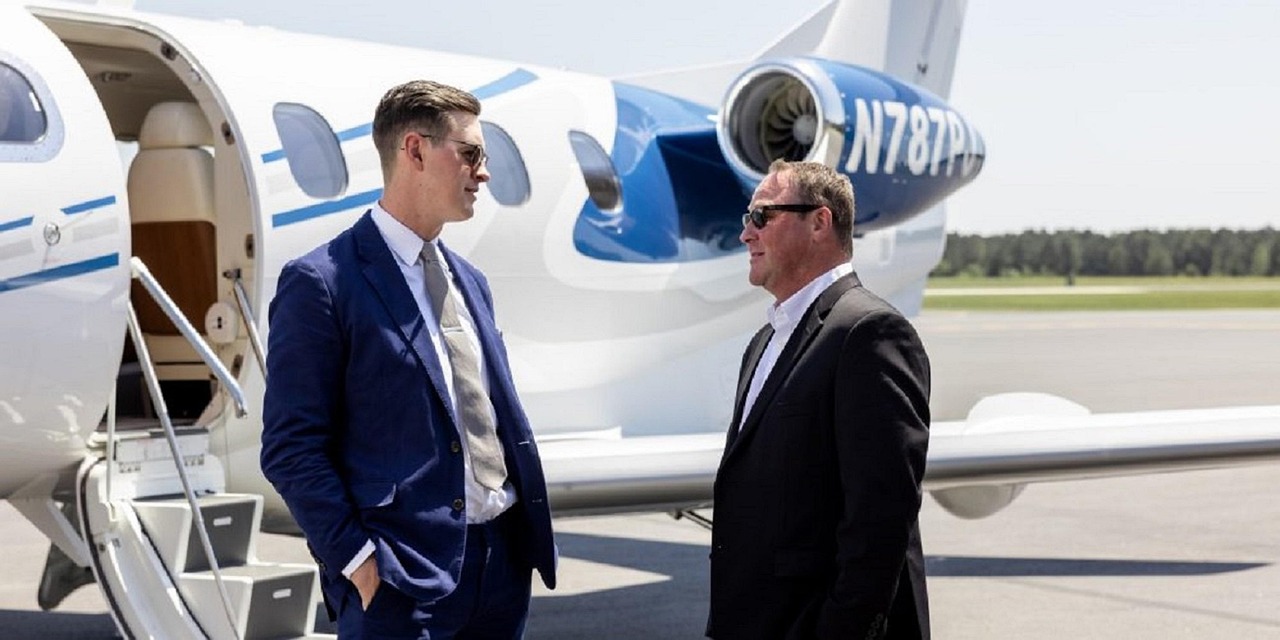
Aviation Equipment Upgrades Financing: Executive Jet Modernization, Luxury Enhancements, and Ownership Value
Why Aviation Equipment Upgrades Financing Matters
Executive aircraft are among the most valuable transportation assets a company or individual can own. While purchasing an aircraft is a major investment, many owners quickly discover that keeping a jet modern, competitive, and comfortable requires continuous upgrades. New technology, evolving FAA requirements, changing passenger expectations, and resale considerations all contribute to the need for aircraft modernization.
Because upgrade projects can range from $50,000 to several million dollars, many owners utilize aviation equipment upgrades financing to preserve liquidity while improving their aircraft. Rather than purchasing a newer aircraft, owners often find that upgrading an existing aircraft delivers many of the same benefits at a fraction of the cost.
Today’s executive travelers expect far more than transportation. They expect a mobile office, conference room, entertainment center, and luxury travel experience all in one aircraft.
Why Executive Jet Owners Upgrade Aircraft
Aircraft are unique assets because they can remain operational for decades when properly maintained.
Unlike automobiles, executive jets are routinely modernized throughout their lifespan.
Common reasons for upgrades include:
- Passenger comfort
- Improved safety
- FAA compliance
- Better connectivity
- Increased charter revenue
- Enhanced resale value
- Reduced operating costs
Many owners combine upgrades with aviation acquisition financing strategies by purchasing pre-owned aircraft and investing in modernization rather than buying new jets.
Cockpit and Avionics Upgrades
One of the first areas owners improve is the flight deck.
Modern avionics provide:
- Enhanced navigation
- Improved situational awareness
- Better weather tracking
- Increased safety
- Regulatory compliance
Popular upgrades include:
Glass Cockpit Conversions
Older analog gauges are replaced with digital displays.
Typical cost:
- $100,000 to $750,000+
ADS-B Compliance
Required for operation in many airspaces.
Typical cost:
- $5,000 to $100,000+
Synthetic Vision Systems
Provides pilots with virtual terrain and obstacle awareness.
Typical cost:
- $20,000 to $200,000+
Enhanced Weather Radar
Improves weather avoidance capability.
Typical cost:
- $25,000 to $250,000+
Many owners use aviation equipment upgrades financing to spread these costs over several years.
High-Speed Internet and Connectivity
For many executives, internet connectivity has become as important as engine performance.
Modern executive aircraft often feature:
- Satellite internet
- Video conferencing
- Cloud access
- Streaming services
- Corporate VPN compatibility
Installation costs may range from:
- $100,000 to $1 million+
Annual service plans can cost:
- $10,000 to $150,000+
Executives frequently consider connectivity upgrades mandatory rather than optional.
Luxury Seating Upgrades
One of the most requested cabin improvements involves seating.
Premium executive seating may include:
- Full recline capability
- Massage functions
- Heating systems
- Ergonomic support
- Custom leather finishes
Typical project costs:
| Upgrade Level | Estimated Cost |
|---|---|
| Basic Upgrade | $50,000–$150,000 |
| Premium Upgrade | $150,000–$500,000 |
| Ultra Luxury Upgrade | $500,000–$1M+ |
These projects are frequently funded through jet refurbishment funding programs.
Custom Executive Interiors
The cabin often serves as a flying office.
Owners frequently upgrade:
Wood Veneers
Premium woods such as:
- Walnut
- Mahogany
- Cherry
- Exotic hardwoods
Cost range:
- $50,000 to $500,000+
Custom Cabinetry
Includes:
- Storage systems
- Refreshment centers
- Executive workstations
Cost range:
- $100,000 to $1 million+
New Flooring
Includes:
- Luxury carpeting
- Hardwood-style flooring
- Custom materials
Cost range:
- $20,000 to $250,000+
Many operators rely on jet refurbishment funding when completing large-scale cabin renovations.
Executive Conference Areas
Modern business travelers increasingly conduct meetings in flight.
Popular upgrades include:
- Conference tables
- Executive workspaces
- Power outlets
- Wireless charging stations
- Privacy partitions
Costs often range from:
- $50,000 to $500,000+
These features can significantly increase the usefulness of the aircraft for corporate travel.
Galley and Food Service Enhancements
Luxury executive travelers often expect premium dining experiences.
Common upgrades include:
Espresso Systems
Refrigeration Units
Food Preparation Areas
Wine Storage
Premium Serving Equipment
Project costs may range from:
- $25,000 to $250,000+
depending on aircraft size and complexity.
Cabin Entertainment Systems
Today’s passengers expect a high-end entertainment experience.
Common upgrades include:
- HD displays
- Streaming platforms
- Wireless entertainment
- Premium audio systems
- Satellite television
Installation costs may range from:
- $50,000 to $500,000+
These improvements are especially valuable for charter operators seeking premium clients.
Lighting Improvements
Modern LED systems have become extremely popular.
Benefits include:
- Reduced power consumption
- Enhanced ambiance
- Mood lighting
- Increased reliability
Typical costs:
- $10,000 to $150,000+
Lighting upgrades are frequently included in broader modernization projects.
Typical Executive Aircraft Upgrade Costs
Illustrative estimates only. Actual costs vary by aircraft model and scope of work.
Airport Hangar Loans and Facility Upgrades
Aircraft improvements are not limited to the aircraft itself.
Owners frequently invest in:
- New hangars
- Expanded hangars
- Maintenance facilities
- Corporate aviation centers
Many operators utilize airport hangar loans to improve aircraft storage and operational infrastructure.
Benefits include:
Weather Protection
Protects aircraft from environmental damage.
Improved Security
Provides greater control over aircraft access.
Maintenance Convenience
Supports faster inspections and repairs.
Property Value Growth
Hangars can become valuable aviation assets.
Aviation Repair Funding Before Upgrades
Before modernization begins, owners often address maintenance requirements.
Projects commonly funded through aviation repair funding include:
Engine Overhauls
Cost:
- $250,000 to $5 million+
Landing Gear Inspections
Cost:
- $50,000 to $500,000+
Structural Repairs
Cost varies significantly.
Corrosion Treatment
Particularly important for aging aircraft.
Many lenders allow repair projects and upgrade projects to be financed together.
Aviation Acquisition Financing and Aircraft Modernization
A common ownership strategy involves purchasing an older aircraft and upgrading it.
This approach often includes:
- Purchasing a pre-owned jet.
- Completing modernization projects.
- Increasing aircraft value.
Many buyers utilize aviation acquisition financing to acquire the aircraft and fund improvements simultaneously.
Advantages include:
- Lower acquisition cost
- Greater customization
- Improved return on investment
- Reduced capital requirements
This strategy is widely used throughout business aviation.
Benefits of Upgrading Instead of Buying New
Many executive aircraft owners choose upgrades because:
Lower Cost
Upgrades often cost far less than replacing an aircraft.
Reduced Depreciation
Existing aircraft may have already absorbed significant depreciation.
Faster Completion
Upgrades can often be completed within months.
Customization
Owners can tailor improvements to their exact needs.
For many operators, modernization offers the best balance of cost and performance.
Internal Links
Suggested internal links:
- /aviation-equipment-upgrades-financing/
- /aviation-acquisition-financing/
- /jet-refurbishment-funding/
- /aviation-repair-funding/
- /airport-hangar-loans/
- /aircraft-loan-calculator/
- /about-us/
- /contact-us/
External Links
Helpful aviation resources:
- FAA: https://www.faa.gov
- NBAA: https://nbaa.org
- AOPA: https://www.aopa.org
- NATA: https://nata.aero
Conclusion
Modern executive aircraft are expected to deliver far more than transportation. Through aviation equipment upgrades financing, owners can install advanced avionics, high-speed connectivity, premium seating, executive workspaces, luxury interiors, and modern entertainment systems that dramatically improve both aircraft value and passenger experience.
Whether funding upgrades through jet refurbishment funding, supporting infrastructure projects with airport hangar loans, addressing maintenance needs with aviation repair funding, or combining modernization with aviation acquisition financing, aircraft owners have numerous options for keeping their jets competitive in today’s aviation market. Properly planned upgrades can extend aircraft life, improve safety, increase charter revenue potential, and significantly enhance the overall ownership experience.
Aviation Repair Funding: Everything Aircraft Owners Need to Know About Aircraft Repairs and Financing
Understanding Aviation Repair Funding
Aircraft ownership comes with many benefits, including convenience, flexibility, privacy, and business efficiency. However, one of the realities of aircraft ownership is maintenance and repair costs. Unlike automobiles, aircraft operate under strict regulatory standards that require regular inspections, maintenance procedures, component replacements, and repairs throughout the life of the aircraft.
For many owners, these costs can become significant and sometimes unexpected. A simple avionics issue may cost thousands of dollars, while a major engine overhaul can exceed several million dollars. Because of these expenses, many owners utilize aviation repair funding to maintain aircraft safety and compliance while preserving working capital.
Whether you own a piston airplane, turboprop, helicopter, light jet, midsize business jet, or large corporate aircraft, understanding repair costs and financing options is essential.
Why Aircraft Repairs Are Different
Aircraft repairs differ significantly from automotive repairs.
Several factors contribute to higher costs:
- FAA regulations
- Specialized technicians
- Certified replacement parts
- Extensive inspections
- Detailed documentation requirements
Every repair must be properly documented and completed according to regulatory standards.
This is one reason many operators rely on aviation repair funding when major maintenance events occur.
Types of Aircraft Repairs
Aircraft maintenance generally falls into several categories.
Scheduled Maintenance
These inspections occur at predetermined intervals.
Examples include:
- Annual inspections
- 100-hour inspections
- Phase inspections
- Manufacturer service programs
These inspections help identify problems before they become serious.
Unscheduled Repairs
Unexpected failures can occur despite proper maintenance.
Examples include:
- Avionics failures
- Hydraulic leaks
- Electrical issues
- Landing gear problems
- Structural damage
These events often require immediate attention.
Major Component Replacements
Some aircraft systems eventually require replacement.
Examples include:
- Engines
- Auxiliary power units (APUs)
- Propellers
- Flight control systems
Major replacements can represent some of the largest ownership expenses.
Engine Overhauls
Engine overhauls are among the most expensive aviation maintenance events.
Piston Aircraft Engines
Typical overhaul costs:
- $20,000–$80,000+
Turboprop Engines
Typical overhaul costs:
- $150,000–$750,000+
Business Jet Engines
Typical overhaul costs:
- $500,000–$5 million+
depending on aircraft model.
Many owners secure aviation repair funding specifically to cover engine-related expenses.
Avionics Repairs and Upgrades
Modern aircraft rely heavily on electronic systems.
Common repairs include:
- Navigation systems
- Flight management systems
- Weather radar
- Communication equipment
- Flight displays
Repair costs often range from:
- $5,000
- $25,000
- $100,000+
depending on the issue.
Many owners combine repairs with aviation equipment upgrades financing when modernizing aircraft systems.
Structural Repairs
Aircraft structures endure significant stress throughout their service life.
Common issues include:
Corrosion
Particularly common in coastal environments.
Bird Strike Damage
Can affect engines, windshields, and leading edges.
Hail Damage
May require skin replacement.
Ramp Accidents
Ground equipment can damage aircraft.
Structural repairs may range from:
- $10,000
- $100,000
- $1 million+
depending on severity.
Landing Gear Overhauls
Landing gear systems are highly complex.
Overhaul intervals vary by manufacturer.
Typical costs include:
| Aircraft Type | Approximate Cost |
|---|---|
| Piston Aircraft | $5,000–$20,000 |
| Turboprop | $25,000–$100,000 |
| Light Jet | $50,000–$250,000 |
| Large Business Jet | $250,000–$1M+ |
These projects are frequently financed because of their substantial cost.
Interior Repairs and Refurbishments
Passengers expect executive aircraft to maintain premium appearances.
Common projects include:
- Seat repairs
- Carpet replacement
- Cabinet refinishing
- Window replacement
- Interior panel repairs
Many owners utilize jet refurbishment funding to complete these projects while preserving cash reserves.
Aircraft Modernization During Repairs
Many owners choose to perform upgrades while aircraft are already undergoing maintenance.
Examples include:
Wi-Fi Installation
Cabin Management Systems
New Lighting
Entertainment Systems
Avionics Modernization
Because labor costs overlap, combining repairs and upgrades often creates efficiencies.
This is one reason many operators utilize aviation equipment upgrades financing alongside repair funding.
Airport Hangar Loans and Aircraft Protection
One of the best ways to reduce repair costs is preventing damage.
Aircraft stored outdoors face increased exposure to:
- Sunlight
- Moisture
- Hail
- Wind
- Corrosion
Many owners invest in hangars and utilize airport hangar loans to construct or purchase storage facilities.
Benefits include:
Reduced Weather Damage
Lower Long-Term Maintenance Costs
Better Security
Improved Resale Value
Protected aircraft often retain value more effectively.
Aviation Acquisition Financing and Repair Planning
A common strategy involves purchasing older aircraft and modernizing them.
Many buyers use aviation acquisition financing to purchase aircraft below market value and then invest in repairs and upgrades.
Advantages include:
- Lower acquisition costs
- Custom modernization opportunities
- Increased resale value
- Improved operating efficiency
This strategy is frequently used by charter operators and corporate flight departments.
Typical Aircraft Repair Cost Comparison
Illustrative estimates only. Actual repair costs vary by aircraft type and repair scope.
How Aviation Repair Funding Works
Specialized aviation lenders often provide funding for:
Engine Overhauls
Maintenance Events
Major Repairs
Component Replacements
Combined Repair and Upgrade Projects
Typical financing structures may include:
| Feature | Typical Range |
| Down Payment | 0%–25% |
| Loan Terms | 2–15 Years |
| Fixed Rates | Available |
| Variable Rates | Available |
Terms vary based on aircraft value and borrower qualifications.
Risks Aircraft Owners Must Understand
Repairs are an unavoidable part of ownership.
Potential risks include:
Unexpected Failures
Even well-maintained aircraft experience failures.
Downtime
Repairs may keep aircraft grounded.
Parts Availability
Some components can require long lead times.
Regulatory Changes
New requirements may create additional expenses.
Cost Overruns
Large projects sometimes exceed initial estimates.
Proper planning helps minimize these challenges.
Maintenance Programs
Many owners enroll in maintenance programs.
Benefits often include:
- Predictable expenses
- Lower financial surprises
- Better budgeting
- Enhanced resale value
Examples include:
- Engine maintenance programs
- Airframe programs
- Avionics support plans
These programs can significantly reduce ownership uncertainty.
Why Financing Repairs Makes Sense
Many owners have sufficient cash to pay for repairs.
However, financing often provides benefits.
Preserve Liquidity
Cash remains available for investments.
Improve Cash Flow
Costs are spread over time.
Avoid Operational Disruptions
Repairs can begin immediately.
Support Fleet Expansion
Capital remains available for growth opportunities.
These advantages explain why repair financing remains common throughout aviation.
Internal Links
Suggested internal links:
- /aviation-repair-funding/
- /aviation-equipment-upgrades-financing/
- /jet-refurbishment-funding/
- /aviation-acquisition-financing/
- /airport-hangar-loans/
- /aircraft-loan-calculator/
- /about-us/
- /contact-us/
External Links
Helpful aviation resources:
- Federal Aviation Administration (FAA): https://www.faa.gov
- National Business Aviation Association (NBAA): https://nbaa.org
- Aircraft Owners and Pilots Association (AOPA): https://www.aopa.org
- National Air Transportation Association (NATA): https://nata.aero
Conclusion
Aircraft maintenance is one of the most important responsibilities of ownership. Whether dealing with routine inspections, engine overhauls, avionics repairs, structural damage, or complete cabin refurbishments, repair costs can be substantial. Through aviation repair funding, owners can address critical maintenance needs without disrupting cash flow or business operations.
Many owners also combine repairs with aviation equipment upgrades financing, use jet refurbishment funding to modernize interiors, invest in infrastructure through airport hangar loans, and purchase aircraft through aviation acquisition financing strategies that incorporate future maintenance planning. By understanding repair costs, funding options, and long-term ownership responsibilities, aircraft owners can protect both their aircraft and their investment for many years to come.