
BEECHCRAFT FINANCING IS AVAILABLE
AVIATION LOAN MATCHING SERVICE
Compare jet loan offers from
specialty aviation lenders.
- No cost to you
- Private & secure
No Cost to You
Aviation Specialists
One Application
Multiple offers side-by-side
Loan Programs
Financing for every aircraft type
New Aircraft Purchase
Pre-Owned Jet Financing
Aircraft Refinancing
Operating Leases
Engine & Maintenance Reserve
Fractional & Shared Ownership
How It Works
A simple, confidential four-step
process
Tell Us About the Aircraft
Make, model, year, intended use, ownership structure. No commitment.
Get Matched
Compare Offers
Close & Take Delivery
Estimate Your Monthly Payment
Move the sliders to see how loan amount, term, and rate shape your monthly cost. Illustrative estimates only — your actual offer depends on your matched lender.
Rate slider is for illustration only. Actual rates vary by aircraft, age, hours, ownership structure, lender, and credit profile.
Illustrative estimates only. Not an offer of credit. Actual terms determined by lender.
Financing for private and
corporate aviation
Private Owners
Corporations
Charter Operators
Fractional Owners
Management Companies
Family Offices
A lending network built for
aviation
Aviation-Specific Underwriting
One Profile, Multiple Offers
No Cost. No Commitment.
Confidential & Discreet
Ready to compare aircraft financing offers?
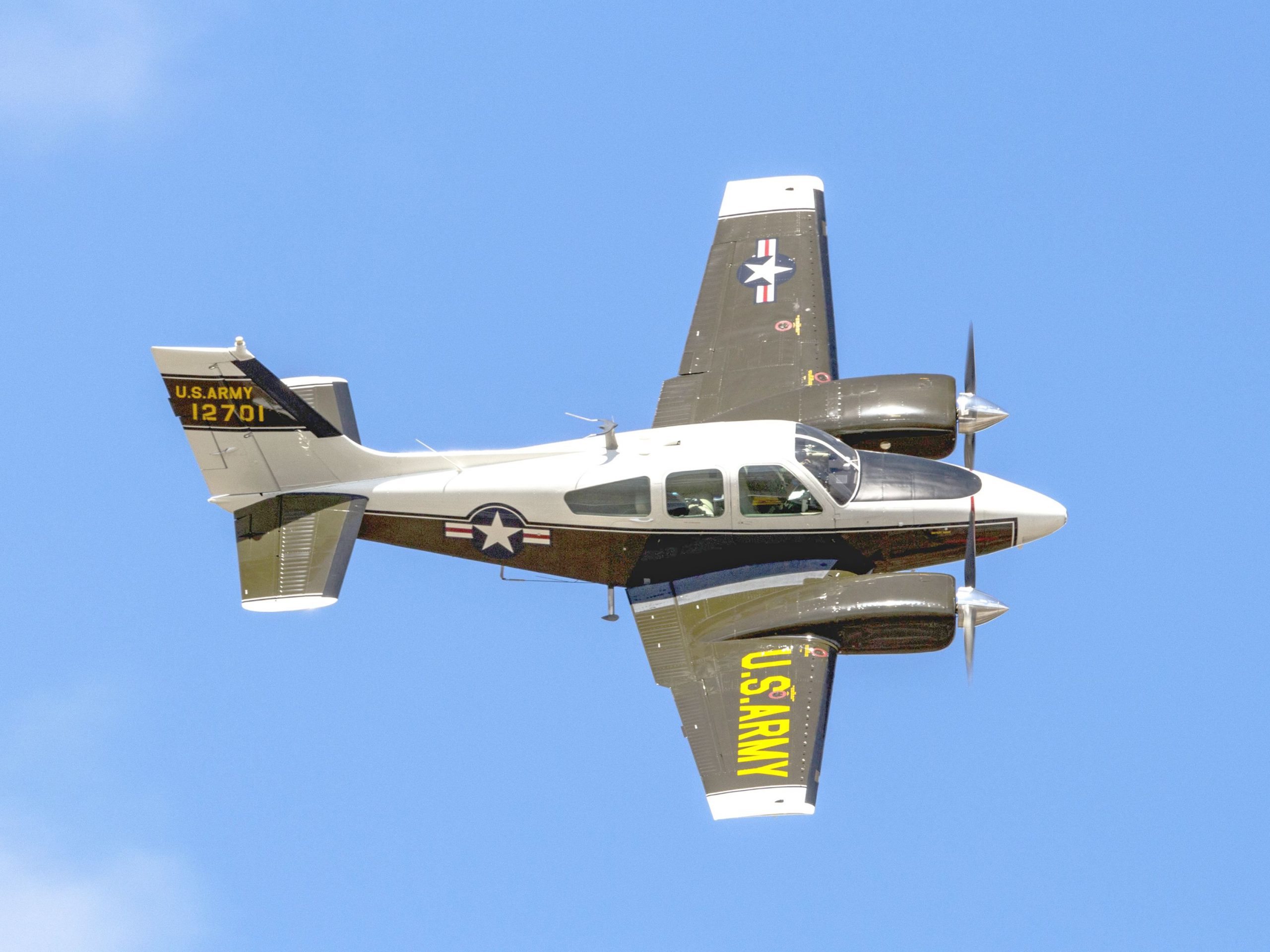
Beechcraft Financing: The Complete Guide to Beechcraft Aircraft, Models, Pricing, and Ownership
Introduction to Beechcraft Financing
For nearly a century, Beechcraft has been one of the most respected names in aviation. Known for producing reliable piston aircraft, turboprops, military trainers, and business aircraft, Beechcraft has built airplanes that serve private pilots, corporations, government agencies, air ambulance operators, and charter companies around the world.
Many buyers utilize Beechcraft Financing when purchasing new or pre-owned aircraft because acquisition costs can range from under $200,000 for older models to several million dollars for advanced turboprop aircraft. Understanding the aircraft lineup, ownership costs, financing options, and operating expenses can help buyers make informed decisions before entering the market.
While many aviation buyers also explore Cessna 172 financing, corporate jet financing, business jet purchase financing, and charter aircraft financing, Beechcraft occupies a unique position in the aviation industry because many of its aircraft combine business utility with lower operating costs than jets.
The History of Beechcraft
Beechcraft traces its roots back to 1932 when Walter Beech founded the company in Wichita, Kansas.
The company quickly gained recognition for producing high-quality aircraft designed for performance and reliability. Over the decades, Beechcraft developed aircraft that became staples in:
- Corporate aviation
- Pilot training
- Military operations
- Medical transport
- Regional transportation
Today, Beechcraft operates under Textron Aviation, alongside Cessna.
Are Beechcraft Aircraft Jets?
One of the most common questions buyers ask is whether Beechcraft builds jets.
The answer is mostly no.
Beechcraft is best known for:
- Piston aircraft
- Twin-engine piston aircraft
- Turboprop aircraft
- Military trainer aircraft
Unlike many manufacturers that specialize in pure jet aircraft, Beechcraft focuses heavily on propeller-driven aircraft.
However, many buyers considering Beechcraft Financing are comparing these aircraft against entry-level jet ownership.
Types of Beechcraft Aircraft
Beechcraft Bonanza
The Bonanza remains one of the longest continuously produced aircraft in aviation history.
Specifications:
- Single-engine piston
- Seating: 6
- Cruise Speed: Approximately 200 mph
Typical Prices:
| Model Age | Price Range |
|---|---|
| Older Models | $100,000 – $300,000 |
| Mid-Age Models | $300,000 – $700,000 |
| New Models | $1 Million+ |
The Bonanza remains popular among private owners who might otherwise investigate Cessna 172 financing options.
Beechcraft Baron
The Baron is one of the world’s most respected twin-engine piston aircraft.
Features include:
- Twin engines
- Retractable landing gear
- Excellent performance
- Strong safety record
Pricing:
| Aircraft | Price Range |
|---|---|
| Older Baron | $150,000 – $500,000 |
| Modern Baron | $700,000 – $1.7 Million |
Beechcraft King Air Series
The King Air is arguably the most successful turboprop aircraft family ever produced.
King Air C90
Typical Cost:
- $500,000 to $3 million
King Air 250
Typical Cost:
- $4 million to $8 million
King Air 350i
Typical Cost:
- $7 million to $10 million+
The King Air often competes directly against smaller jets that utilize business jet purchase financing structures.
Why the King Air Became So Popular
The King Air became successful because it offers:
Lower Operating Costs
Compared to jets, turboprops typically consume less fuel.
Short Runway Capability
Many King Air aircraft can access airports unavailable to larger jets.
Reliability
The Pratt & Whitney PT6 engines have one of the strongest reputations in aviation.
Cargo Flexibility
The aircraft can be configured for:
- Passenger transport
- Cargo hauling
- Medical evacuation
- Government use
Beechcraft Aircraft Pricing Overview
Typical Market Values
How Beechcraft Financing Works
Aircraft lenders generally structure loans differently than automobile financing.
Common financing features include:
Down Payments
Most lenders require:
- 10% to 25% down
Loan Terms
Typical terms include:
- 5 years
- 10 years
- 15 years
- 20 years
Interest Rates
Rates depend upon:
- Credit score
- Aircraft age
- Aircraft value
- Financial strength
Many lenders specifically offer Beechcraft Financing programs because of the aircraft’s proven resale value.
Ownership Costs
Fuel Costs
Annual fuel expenses vary widely.
Approximate ranges:
| Aircraft | Annual Fuel Cost |
|---|---|
| Bonanza | $10,000 – $30,000 |
| Baron | $20,000 – $60,000 |
| King Air | $75,000 – $500,000+ |
Insurance
Annual insurance costs often range from:
- $2,000
- $100,000+
depending upon aircraft value and usage.
Maintenance
Maintenance varies significantly.
Common expenses include:
- Annual inspections
- Engine overhauls
- Propeller maintenance
- Avionics upgrades
Many operators use financing to manage large maintenance expenses.
Beechcraft vs Cessna
Many buyers compare Beechcraft aircraft against Cessna products.
Beechcraft Advantages
- More premium interiors
- Strong turboprop lineup
- Exceptional King Air reputation
Cessna Advantages
- Lower entry-level costs
- Massive service network
- Simplified ownership
This comparison often occurs when buyers evaluate Cessna 172 financing alternatives.
Beechcraft for Charter Operations
Many charter operators utilize King Air aircraft because of:
- Lower operating costs
- Reliable performance
- Access to smaller airports
- Strong passenger comfort
These operators frequently seek charter aircraft financing solutions to expand their fleets.
Common charter missions include:
- Executive transportation
- Medical transport
- Cargo operations
- Regional flights
Corporate Use of Beechcraft Aircraft
Corporations often choose Beechcraft aircraft because they provide:
- Executive transportation
- Lower costs than jets
- Flexible airport access
- Efficient business travel
Some companies compare turboprops with aircraft acquired through corporate jet financing programs before making a purchase decision.
For regional travel, turboprops often provide comparable travel times at substantially lower operating costs.
Military and Government Applications
Beechcraft aircraft serve numerous government agencies.
Examples include:
- Military trainer aircraft
- Border patrol aircraft
- Surveillance aircraft
- Air ambulance operations
Their versatility continues driving demand globally.
Who Should Buy a Beechcraft?
Beechcraft aircraft work well for:
Private Pilots
Ideal for personal transportation and recreation.
Business Owners
Excellent for regional travel.
Charter Operators
Popular due to lower operating costs.
Medical Operators
Commonly used for patient transport.
Government Agencies
Widely used for training and special missions.
Internal Links
Suggested MachLend.com Internal Links:
- /beechcraft-financing/
- /cessna-172-financing/
- /corporate-jet-financing/
- /business-jet-purchase-financing/
- /charter-aircraft-financing/
- /aircraft-loan-calculator/
- /about-us/
- /contact-us/
External Resources
Helpful aviation resources:
- Federal Aviation Administration (FAA): https://www.faa.gov
- Textron Aviation: https://www.txtav.com
- Aircraft Owners and Pilots Association (AOPA): https://www.aopa.org
- National Business Aviation Association (NBAA): https://nbaa.org
Conclusion
Beechcraft has earned its reputation through decades of producing reliable, versatile, and high-performing aircraft. While the company is not known primarily for jets, its Bonanza, Baron, and King Air families continue serving private owners, businesses, charter operators, government agencies, and medical transport companies around the world. Buyers considering Beechcraft Financing should evaluate acquisition costs, operating expenses, mission requirements, and resale value before purchasing.
Cessna 172 Financing: The Complete Guide to America’s Most Popular Aircraft
Introduction to Cessna 172 Financing
Few aircraft in aviation history have achieved the success and recognition of the Cessna 172 Skyhawk. Since its introduction in 1956, more than 45,000 units have been produced, making it the most popular aircraft ever built. Known for its reliability, forgiving flight characteristics, affordability, and strong resale value, the Cessna 172 remains a favorite among student pilots, flight schools, private owners, and aviation enthusiasts.
For many buyers, Cessna 172 financing provides a practical way to enter aircraft ownership without making a large cash purchase. Whether purchasing a vintage model from the 1960s or a factory-new Skyhawk, financing can spread costs over several years while preserving personal or business capital.
Many buyers who begin with Cessna 172 financing eventually explore larger aircraft through Beechcraft Financing, corporate jet financing, business jet purchase financing, and charter aircraft financing programs as their aviation needs grow.
What Is the Cessna 172?
The Cessna 172 Skyhawk is a single-engine, high-wing aircraft designed primarily for:
- Flight training
- Personal transportation
- Recreational flying
- Aircraft rental operations
- Aviation clubs
Its simple design and excellent safety record have made it one of the most trusted airplanes in aviation.
Basic Specifications
| Specification | Typical Value |
|---|---|
| Seats | 4 |
| Engine | Single Piston |
| Cruise Speed | 120–140 mph |
| Range | 500–700 miles |
| Fuel Capacity | 42–56 gallons |
| Useful Load | Approximately 800–900 lbs |
Why Is the Cessna 172 So Popular?
Several factors have contributed to the Skyhawk’s long-term success.
Easy to Fly
The aircraft is extremely forgiving for new pilots.
Strong Safety Record
Decades of operational history have proven its reliability.
Affordable Ownership
Compared to larger aircraft, operating costs remain relatively manageable.
Massive Parts Availability
Because so many aircraft were built, parts and maintenance support are widely available.
These advantages continue driving demand for Cessna 172 financing throughout the aviation market.
Different Types of Cessna 172 Aircraft
Early Models (1956–1970)
Older aircraft remain popular among budget-conscious buyers.
Typical Pricing:
- $40,000 to $100,000
These aircraft may require avionics upgrades but often represent excellent value.
Mid-Life Models (1970–2000)
Many pilots seek these aircraft because they balance affordability with modern features.
Typical Pricing:
- $80,000 to $250,000
These aircraft frequently include upgraded navigation systems and improved interiors.
Modern Models (2000–Present)
Newer Skyhawks feature advanced avionics and enhanced safety systems.
Typical Pricing:
- $250,000 to $600,000+
Factory-New Cessna 172 Skyhawk
Current production aircraft feature:
- Garmin G1000 NXi avionics
- Digital flight displays
- Modern safety systems
- Advanced navigation capabilities
New Aircraft Cost:
- Approximately $500,000 to $700,000+
Typical Aircraft Values
| Aircraft Age | Typical Market Value |
| 1950s–1960s | $40,000 – $90,000 |
| 1970s | $70,000 – $150,000 |
| 1980s | $100,000 – $200,000 |
| 1990s | $150,000 – $300,000 |
| 2000s+ | $250,000 – $600,000 |
| New Aircraft | $500,000 – $700,000+ |
Typical Cessna 172 Market Values
Older Models        $40k-$100k
1970s Models        $70k-$150k
1980s Models        $100k-$200k
1990s Models        $150k-$300k
2000s Models        $250k-$600k
New Aircraft        $500k-$700k+
How Cessna 172 Financing Works
Aircraft financing differs from automobile financing.
Down Payment
Most lenders require:
- 10% to 20% down
Loan Terms
Common loan terms include:
- 5 years
- 10 years
- 15 years
- 20 years
Interest Rates
Rates depend upon:
- Credit history
- Aircraft age
- Loan amount
- Financial strength
Because of their strong resale values, lenders generally view Cessna 172 financing favorably.
Operating Costs
Buying the aircraft is only part of the ownership picture.
Fuel Costs
The Cessna 172 typically burns:
- 8–10 gallons per hour
Annual fuel costs often range:
- $2,000 to $15,000+
depending on usage.
Insurance
Typical annual insurance costs:
- $1,000 to $5,000+
New pilots generally pay higher premiums.
Hangar Storage
Storage costs vary significantly.
Typical annual expenses:
- $1,200 to $12,000+
depending on airport location.
Maintenance
Maintenance represents one of the largest ownership expenses.
Common costs include:
Annual Inspection
- $1,000 to $3,000+
Tires and Brakes
- $500 to $2,000
Avionics Maintenance
- Highly variable
Engine Overhaul
One of the largest future expenses.
Engine Overhaul Costs
The most common Cessna 172 engine is the Lycoming O-320 or O-360.
Engine overhaul costs generally range:
- $20,000 to $50,000+
depending on engine condition and shop rates.
Most engines require overhaul approximately every:
- 2,000 flight hours
Planning for future overhaul costs is an important part of aircraft ownership.
Avionics Upgrades
Many owners modernize older aircraft.
Common upgrades include:
- GPS navigation
- ADS-B compliance
- Digital flight displays
- Autopilot systems
Upgrade costs range from:
- $5,000
- To more than $50,000
depending on complexity.
Flight School Ownership
The Cessna 172 remains the dominant trainer worldwide.
Flight schools favor the aircraft because of:
- Reliability
- Low operating costs
- Student-friendly handling
- Strong parts support
Many schools finance fleets using specialized aviation lending programs.
Cessna 172 vs Beechcraft
Many buyers compare Skyhawks against Beechcraft aircraft.
Advantages of the Cessna 172
- Lower acquisition cost
- Simpler maintenance
- Lower insurance costs
Advantages of Beechcraft Aircraft
- Higher performance
- Greater passenger capacity
- More advanced mission capabilities
This comparison often leads buyers to investigate Beechcraft Financing solutions alongside Skyhawk ownership.
Growing Beyond the Cessna 172
Many pilots eventually move into larger aircraft.
Common progression paths include:
- Beechcraft Bonanza
- Beechcraft Baron
- King Air Series
- Light business jets
As pilots move into business aviation, they often begin exploring corporate jet financing opportunities.
Larger aircraft acquisitions may require business jet purchase financing structures designed for higher-value assets.
Commercial operators expanding into passenger services frequently investigate charter aircraft financing programs to support fleet growth.
Who Should Buy a Cessna 172?
The aircraft works well for:
Student Pilots
Ideal training platform.
Private Owners
Excellent personal transportation aircraft.
Flying Clubs
Affordable shared ownership.
Flight Schools
Industry-standard trainer.
Aviation Enthusiasts
Simple and enjoyable to own.
Internal Links
Suggested MachLend.com Internal Links:
- /cessna-172-financing/
- /beechcraft-financing/
- /corporate-jet-financing/
- /business-jet-purchase-financing/
- /charter-aircraft-financing/
- /aircraft-loan-calculator/
- /about-us/
- /contact-us/
External Resources
Helpful aviation resources:
- FAA: https://www.faa.gov
- Textron Aviation: https://www.txtav.com
- AOPA: https://www.aopa.org
- NBAA: https://nbaa.org
Conclusion
The Cessna 172 has earned its place as the most successful aircraft in aviation history. Its combination of affordability, safety, simplicity, and strong resale value continues attracting pilots and aircraft owners around the world. Buyers considering Cessna 172 financing should evaluate acquisition costs, maintenance requirements, insurance expenses, and long-term operating budgets before purchasing.
Whether you are comparing ownership options through Beechcraft Financing, considering future upgrades into corporate jet financing, evaluating business jet purchase financing, or eventually expanding through charter aircraft financing, the Cessna 172 remains one of the best entry points into aircraft ownership and aviation investing.