

Financing a Cessna 150
AVIATION LOAN MATCHING SERVICE
Compare jet loan offers from
specialty aviation lenders.
- No cost to you
- Private & secure
No Cost to You
Aviation Specialists
One Application
Multiple offers side-by-side
Loan Programs
Financing for every aircraft type
New Aircraft Purchase
Pre-Owned Jet Financing
Aircraft Refinancing
Operating Leases
Engine & Maintenance Reserve
Fractional & Shared Ownership
How It Works
A simple, confidential four-step
process
Tell Us About the Aircraft
Make, model, year, intended use, ownership structure. No commitment.
Get Matched
Compare Offers
Close & Take Delivery
Estimate Your Monthly Payment
Move the sliders to see how loan amount, term, and rate shape your monthly cost. Illustrative estimates only — your actual offer depends on your matched lender.
Rate slider is for illustration only. Actual rates vary by aircraft, age, hours, ownership structure, lender, and credit profile.
Illustrative estimates only. Not an offer of credit. Actual terms determined by lender.
Financing for private and
corporate aviation
Private Owners
Corporations
Charter Operators
Fractional Owners
Management Companies
Family Offices
A lending network built for
aviation
Aviation-Specific Underwriting
One Profile, Multiple Offers
No Cost. No Commitment.
Confidential & Discreet
Ready to compare aircraft financing offers?
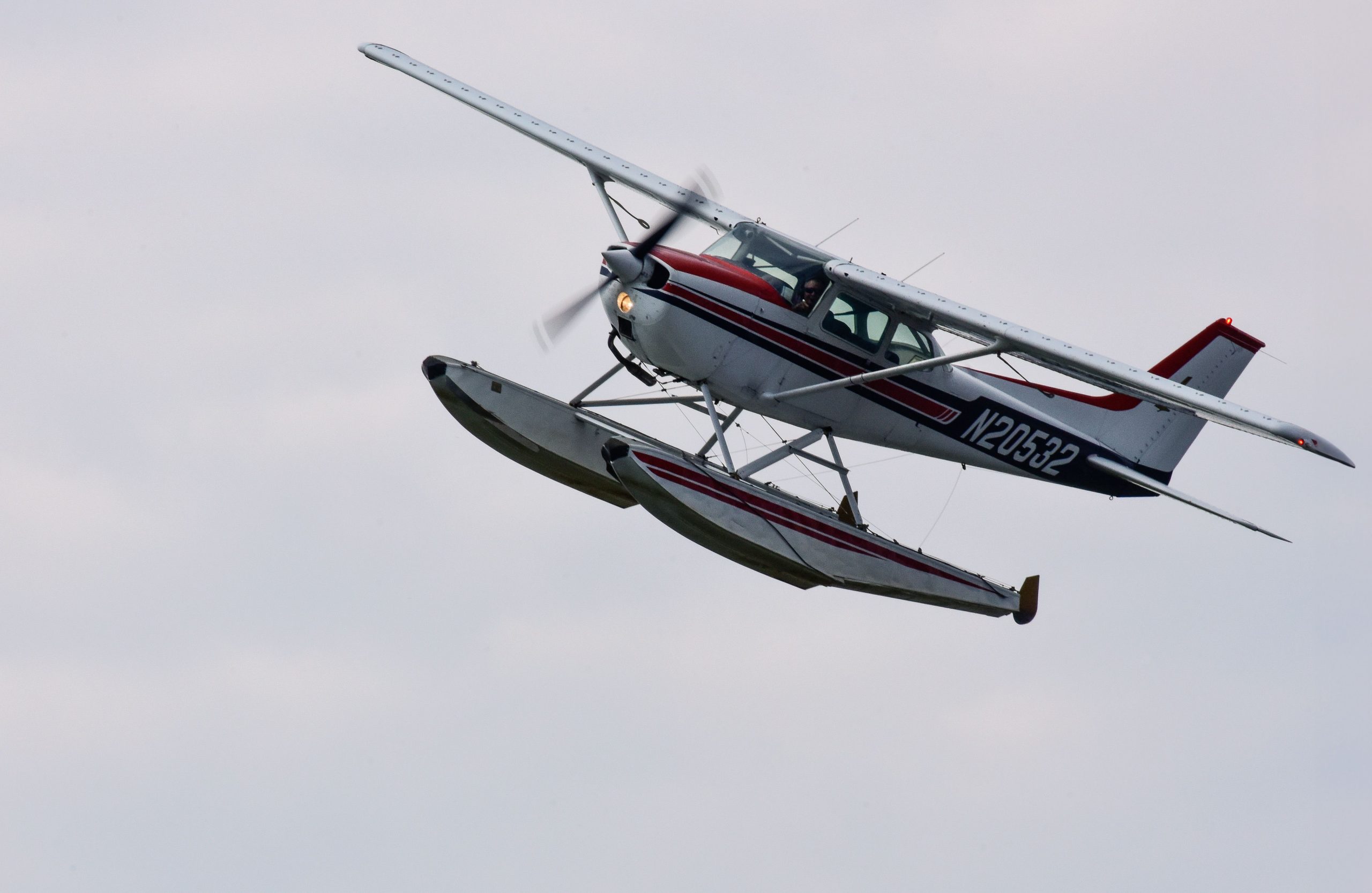
Cessna Financing in 2026: Purchase, Equity, Refinance, and Aircraft Loan Strategies
Cessna aircraft occupy a broad portion of the general aviation market, ranging from relatively simple piston airplanes used for personal transportation and flight training to turbine-powered aircraft designed for demanding business and commercial missions. Because aircraft values, operating costs, and missions vary so widely, the right financing strategy depends heavily on the individual airplane and applicant.
A prospective owner should consider much more than the advertised purchase price. Pre-purchase inspections, insurance, maintenance, engine and propeller condition, avionics, training, hangar expenses, taxes where applicable, professional services, and operating reserves can substantially affect the actual capital required.
Existing owners may have different objectives. Instead of purchasing another airplane, they may be interested in restructuring an existing obligation or investigating whether the value accumulated in an aircraft can support a new financial objective.
The following nine sections examine purchasing, refinancing, aircraft equity, small Cessna acquisitions, and strategies for preparing a stronger aviation financing application.
1. Start With the Aircraft and Its Mission
Applicants seeking Cessna financing should begin by identifying the exact model, year, equipment, expected annual utilization, intended mission, and anticipated ownership period.
An owner considering a Cessna equity loan should first establish the aircraft’s approximate current value, outstanding obligations, condition, and the purpose for which additional capital would be used.
Someone researching aircraft refinance Cessna options should identify what refinancing is intended to accomplish, such as restructuring an existing obligation or changing the owner’s cash-flow profile.
For a buyer interested in financing a Cessna 150, acquisition planning should include the aircraft’s purchase price as well as inspection, insurance, maintenance, storage, and potential improvement costs.
Applicants comparing aircraft loans for Cessnas should remember that financing requirements can vary according to aircraft age, value, condition, intended use, and applicant qualifications.
2. Calculate the Complete Cost of Acquisition
Borrowers pursuing Cessna financing should create an acquisition budget that includes the purchase price, professional services, inspection expenses, insurance, training, immediate maintenance, and reserves.
Applicants exploring a Cessna equity loan should consider transaction expenses and determine whether accessing aircraft equity supports a financially sensible objective.
Owners researching aircraft refinance Cessna alternatives should compare the outstanding balance, proposed financing amount, fees, new repayment period, and total projected repayment.
Someone considering financing a Cessna 150 should investigate engine time, propeller condition, avionics, airframe condition, logbooks, and upcoming maintenance before deciding what the airplane is actually worth to that buyer.
Businesses or individuals comparing aircraft loans for Cessnas should evaluate the total financing expense rather than choosing an option based exclusively on its monthly payment.
A complete acquisition budget helps prevent a situation in which virtually all available cash goes toward purchasing the airplane, leaving inadequate reserves for ownership expenses.
3. Perform Aircraft-Specific Due Diligence
Before completing Cessna financing, a prospective buyer should consider an appropriate pre-purchase inspection performed by qualified aviation professionals familiar with the relevant aircraft.
An owner evaluating a Cessna equity loan should also understand that aircraft condition, maintenance history, marketability, age, and equipment can potentially influence valuation.
Applicants investigating aircraft refinance Cessna possibilities should organize aircraft records and information concerning the existing financing obligation before approaching prospective providers.
A buyer interested in financing a Cessna 150 should pay particular attention to maintenance records, engine history, airframe condition, corrosion concerns where applicable, avionics, modifications, and inspection status.
When evaluating aircraft loans for Cessnas, prospective borrowers should determine whether the provider is comfortable with the particular model, aircraft age, value, and intended use.
4. Compare Rates, Terms, and Total Repayment
Applicants evaluating Cessna financing should compare financing charges, fees, repayment periods, required cash contributions, collateral provisions, and prepayment terms.
An aircraft owner considering a Cessna equity loan should determine whether the expected benefit from accessing capital justifies the associated financing cost and additional obligation.
Someone examining aircraft refinance Cessna structures should compare the current obligation with the proposed replacement using both monthly payment and total expected repayment.
Buyers interested in financing a Cessna 150 should avoid extending repayment simply to obtain the smallest possible monthly payment without considering total financing expense.
Applicants comparing aircraft loans for Cessnas should use consistent assumptions whenever possible so differences in financing amount or repayment period do not distort the comparison.
Consider this hypothetical $100,000 balance amortized over seven years:
| Illustrative Rate | Approx. Monthly Payment | Approx. Total Repaid |
|---|---|---|
| 6% | $1,461 | $122,724 |
| 7% | $1,509 | $126,756 |
| 8% | $1,559 | $130,956 |
| 9% | $1,609 | $135,156 |
| 10% | $1,661 | $139,524 |
Illustrative Monthly Payment Graph
$1,700 |                              █
$1,650 |                              █
$1,600 |                       █      █
$1,550 |                █      █      █
$1,500 |         █      █      █      █
$1,450 |  █      █      █      █      █
       +-----------------------------------
          6%     7%     8%     9%     10%
These calculations are hypothetical educational illustrations only. They are not current aviation loan rates, provider quotes, market averages, offers, or guaranteed financing terms.
5. Understand Aircraft Equity Carefully
Owners using Cessna financing to purchase an aircraft may gradually build equity as the outstanding obligation changes, although aircraft values themselves can rise or fall.
A prospective borrower considering a Cessna equity loan should not assume that the difference between an estimated aircraft value and current balance will automatically be available for borrowing.
Someone investigating aircraft refinance Cessna options should expect a prospective provider to establish its own requirements regarding valuation, acceptable leverage, aircraft condition, and applicant qualifications.
An owner who originally used financing a Cessna 150 as a purchase strategy may eventually consider whether refinancing makes sense as the balance, aircraft value, or financial objectives change.
Applicants researching aircraft loans for Cessnas should recognize that the aircraft is an asset whose market value can be affected by age, condition, maintenance history, engine status, equipment, and broader market conditions.
Aircraft equity should therefore be evaluated conservatively. A valuation estimate does not represent a guaranteed sale price or guaranteed amount available to borrow.
6. Decide Whether Refinancing Makes Financial Sense
Borrowers with existing Cessna financing may investigate refinancing when their financial circumstances or long-term ownership objectives have changed.
An applicant exploring a Cessna equity loan should compare that approach with other available capital sources and consider how a new obligation could affect aircraft ownership.
Owners searching for aircraft refinance Cessna alternatives should calculate potential financing charges, fees, repayment length, monthly payment, and total repayment before deciding whether replacing an existing obligation is beneficial.
Someone who previously used financing a Cessna 150 to acquire an airplane should be especially careful about extending repayment far beyond the originally anticipated ownership period.
When comparing aircraft loans for Cessnas, applicants should consider whether refinancing genuinely improves their financial position rather than merely postponing principal repayment.
A smaller payment does not necessarily mean a less expensive transaction. Extending an obligation over additional years can potentially increase total financing costs even when monthly cash requirements decline.
7. Budget for Maintenance and Modernization
Owners carrying Cessna financing should maintain reserves for inspections, engine work, propeller maintenance, avionics, insurance, storage, training, and unexpected repairs.
Borrowers considering a Cessna equity loan to fund improvements should obtain realistic project estimates before deciding how much capital is actually required.
Applicants evaluating aircraft refinance Cessna structures should account for significant maintenance expected during the proposed new repayment period.
A buyer considering financing a Cessna 150 should determine whether older radios, instruments, interior components, paint, or other equipment will require replacement or modernization.
Applicants researching aircraft loans for Cessnas should distinguish between the purchase price and the amount ultimately required to place an airplane into the condition desired for its intended mission.
Aircraft modifications can involve equipment, installation labor, engineering, testing, and certification considerations.
8. Preserve Liquidity After the Transaction
Applicants obtaining Cessna financing should avoid committing so much available cash to the acquisition that routine or unexpected ownership expenses become difficult to absorb.
An owner considering a Cessna equity loan should determine whether taking on additional aircraft-secured debt is compatible with the owner’s overall financial position.
Someone pursuing aircraft refinance Cessna alternatives should evaluate how the new structure affects both monthly cash flow and long-term indebtedness.
For an applicant interested in financing a Cessna 150, adequate reserves can be particularly valuable when unexpected engine, avionics, airframe, or inspection expenses arise.
Borrowers comparing aircraft loans for Cessnas should stress-test their budgets against maintenance costs that are higher than anticipated.
Aircraft ownership expenses do not necessarily occur evenly. Insurance, hangar or tie-down expenses, annual inspections, subscriptions, training, maintenance, and repairs can create significant cash requirements at different times of the year.
Preserving liquidity can help an owner respond to those expenses without disrupting other personal or business obligations.
9. Prepare Before Submitting an Application
Applicants seeking Cessna financing should organize requested financial information, aircraft specifications, purchase documents, ownership details, and available liquidity information before underwriting begins.
An owner applying for a Cessna equity loan should be prepared to provide information concerning the aircraft, existing obligation, requested financing amount, and proposed use of funds.
Someone pursuing aircraft refinance Cessna options should assemble statements for the existing obligation along with aircraft and financial documentation requested by prospective providers.
A buyer interested in financing a Cessna 150 should have the purchase agreement, aircraft information, inspection-related documentation where requested, and financial records ready for review.
Applicants comparing aircraft loans for Cessnas should request complete proposed terms and understand financing charges, fees, collateral requirements, repayment obligations, and prepayment provisions before proceeding.
Approval, rates, fees, loan amounts, required cash contributions, collateral requirements, and repayment structures depend on the provider, applicant, aircraft, and individual transaction. Nothing should be considered approved until underwriting and required documentation are completed.
Final Thoughts
Financing a Cessna should begin with the airplane itself. Model, year, condition, maintenance history, engine and propeller status, avionics, intended mission, and expected annual utilization can all influence whether an acquisition makes financial sense.
The purchase price is only the beginning of the ownership budget. Prospective owners may also need cash for inspections, insurance, training, initial maintenance, storage, professional services, avionics improvements, and operating reserves.
Pre-purchase due diligence can be especially important with older general-aviation aircraft. Two airplanes of the same model and year can have substantially different economic profiles because of maintenance history, engine time, modifications, equipment, corrosion, damage history, records, and overall condition.
Existing owners considering refinancing should compare the proposed structure with their current obligation using complete financial projections. Reducing a monthly payment can improve near-term cash flow, but extending repayment may increase the total amount paid.
Aircraft equity also deserves conservative treatment. Estimated market value can change, and prospective financing providers can establish their own valuations and lending requirements. Owners should not assume that all apparent equity can be converted into cash.
Maintenance planning should remain part of the financing strategy throughout ownership. Engine work, propeller maintenance, avionics repairs, annual inspections, and unexpected mechanical problems can create substantial expenses relative to the value of a smaller aircraft.
Modernization can also change the effective acquisition price. An inexpensive airplane requiring extensive avionics, interior, paint, or mechanical work may ultimately require more capital than a higher-priced aircraft that is already equipped for the intended mission.
Liquidity provides an important financial cushion. An owner who retains appropriate reserves may be better positioned to address an unexpected repair without compromising other financial responsibilities.
Prospective borrowers should compare multiple financing structures when practical and should use consistent assumptions when evaluating them. Financing amount, repayment period, fees, cash contribution, collateral provisions, and total repayment all deserve attention.
Qualified aviation inspectors, mechanics, attorneys, tax professionals, insurance professionals, appraisers, brokers, and financing providers can offer specialized guidance for individual transactions.
A well-planned Cessna acquisition combines mission analysis, aircraft-specific due diligence, realistic budgeting, financing comparisons, maintenance planning, conservative assumptions about aircraft value, and sufficient reserves for continuing ownership.