
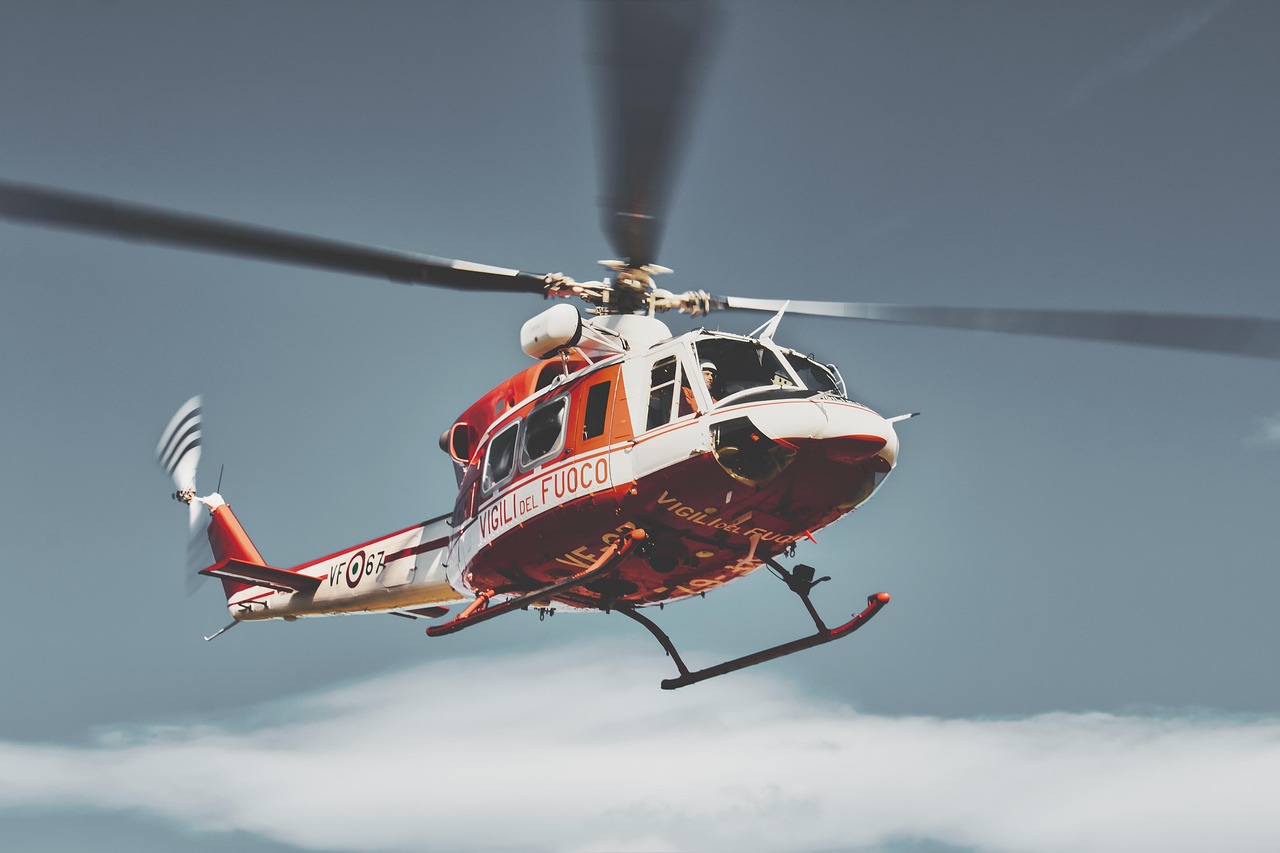
HELICOPTER LOANS ARE AVAILABLE
AVIATION LOAN MATCHING SERVICE
Compare jet loan offers from
specialty aviation lenders.
- No cost to you
- Private & secure
No Cost to You
Aviation Specialists
One Application
Multiple offers side-by-side
Loan Programs
Financing for every aircraft type
New Aircraft Purchase
Pre-Owned Jet Financing
Aircraft Refinancing
Operating Leases
Engine & Maintenance Reserve
Fractional & Shared Ownership
How It Works
A simple, confidential four-step
process
Tell Us About the Aircraft
Make, model, year, intended use, ownership structure. No commitment.
Get Matched
Compare Offers
Close & Take Delivery
Estimate Your Monthly Payment
Move the sliders to see how loan amount, term, and rate shape your monthly cost. Illustrative estimates only — your actual offer depends on your matched lender.
Rate slider is for illustration only. Actual rates vary by aircraft, age, hours, ownership structure, lender, and credit profile.
Illustrative estimates only. Not an offer of credit. Actual terms determined by lender.
Financing for private and
corporate aviation
Private Owners
Corporations
Charter Operators
Fractional Owners
Management Companies
Family Offices
A lending network built for
aviation
Aviation-Specific Underwriting
One Profile, Multiple Offers
No Cost. No Commitment.
Confidential & Discreet
Ready to compare aircraft financing offers?
BELOW THIS LINE IS FOR SEO RANKING AND INFORMATION PURPOSES!!!
Aircraft Financing in 2026: Helicopters, Private Jets, Caravans, and Aviation Acquisition Strategies
Aircraft purchases can require a much more specialized financing strategy than conventional business equipment. The appropriate structure depends on the type of aircraft, its age and condition, intended use, acquisition price, maintenance status, expected utilization, and the financial strength of the applicant.
A helicopter used for business transportation or specialized commercial work has a very different operating profile from a turbine-powered fixed-wing aircraft. Likewise, a utility turboprop serving regional routes can have different capital and operating requirements from a long-range business jet used for executive transportation.
Prospective owners should therefore evaluate the entire transaction rather than focusing only on the purchase price or monthly payment. Inspections, insurance, engines, maintenance, avionics, crew, training, fuel, hangar costs, management, and operating reserves can significantly increase the amount of capital required.
The following nine sections examine important considerations for financing helicopters, turbine aircraft, private jets, and larger aviation acquisitions.
1. Match the Aircraft to Its Intended Mission
Applicants evaluating Helicopter loans should begin with the mission the rotorcraft must perform, including passenger requirements, payload, range, operating environment, annual utilization, and landing requirements.
Businesses considering private jet financing should similarly determine required range, passenger capacity, cabin configuration, baggage capacity, runway performance, and expected flight hours before selecting an aircraft.
Companies seeking Cessna Caravan aircraft loans should evaluate whether the aircraft’s utility capabilities, passenger or cargo configuration, and operating characteristics fit the intended business operation.
An owner researching how to finance a private jet purchase should establish the required aircraft category before approaching financing providers because transaction size and aircraft characteristics can influence available structures.
Businesses considering buying a jet with financing should also determine how much cash they can contribute without weakening the company’s working-capital position.
For additional internal aviation-financing information, prospective buyers can explore MachLend.com.
2. Calculate the Complete Acquisition Budget
Applicants using Helicopter loans should budget beyond the aircraft price for inspections, professional services, insurance, training, initial maintenance, component requirements, and operating reserves.
Companies pursuing private jet financing may need substantially larger reserves for crew, maintenance programs, engines, training, management, insurance, fuel, and hangar expenses.
Businesses evaluating Cessna Caravan aircraft loans should account for aircraft configuration, avionics, maintenance status, engine condition, interior requirements, and any modifications necessary for the planned mission.
Someone investigating how to finance a private jet purchase should create a complete use-of-funds schedule that identifies purchase price, cash contribution, expected improvements, transaction expenses, and post-closing reserves.
For an organization considering buying a jet with financing, an attractive aircraft price should not overshadow immediate maintenance or modernization requirements.
A complete acquisition budget can help management understand the actual capital commitment before submitting an application.
3. Perform Thorough Aircraft Due Diligence
Before completing Helicopter loans, buyers should consider an appropriate pre-purchase inspection and review maintenance records, component status, engines, equipment, inspection history, and other aircraft-specific information.
Applicants for private jet financing should conduct similarly detailed due diligence involving maintenance programs, engine status, avionics, cabin systems, aircraft records, and upcoming inspections.
Businesses seeking Cessna Caravan aircraft loans should examine the individual aircraft’s history and condition rather than assuming that all airplanes of the same model and year have similar value.
A buyer researching how to finance a private jet purchase should address aircraft due diligence before committing substantial capital to a transaction.
Companies interested in buying a jet with financing should also consider title, lien, ownership, and transaction-document matters with qualified aviation professionals.
Official federal resources include the FAA Aircraft Registry and the FAA Aircraft portal.
Aircraft-specific professional inspections and record reviews can uncover expenses that materially change the economics of a proposed acquisition.
4. Compare Financing Costs and Repayment Terms
Borrowers evaluating Helicopter loans should compare financing charges, repayment duration, fees, required down payments, collateral provisions, guarantees where applicable, and prepayment conditions.
Businesses using private jet financing should model debt service together with continuing aircraft operating expenses instead of evaluating the payment in isolation.
Applicants comparing Cessna Caravan aircraft loans should evaluate several repayment scenarios to understand how financing structure affects monthly cash flow.
A business investigating how to finance a private jet purchase should compare potential offers using equivalent aircraft prices, loan amounts, and repayment assumptions whenever possible.
Organizations considering buying a jet with financing should evaluate total expected repayment rather than assuming the lowest monthly payment represents the lowest-cost option.
Consider a hypothetical $5 million balance amortized over 10 years:
| Illustrative Rate | Approx. Monthly Payment | Approx. Total Repaid |
|---|---|---|
| 6% | $55,510 | $6.66 million |
| 7% | $58,054 | $6.97 million |
| 8% | $60,664 | $7.28 million |
| 9% | $63,338 | $7.60 million |
| 10% | $66,075 | $7.93 million |
Illustrative Monthly Payment Graph
$67K |                              █
$65K |                              █
$63K |                       █      █
$61K |                █      █      █
$59K |         █      █      █      █
$57K |  █      █      █      █      █
$55K |  █      █      █      █      █
     +-----------------------------------
        6%     7%     8%     9%     10%
These calculations are hypothetical educational illustrations. They are not current aviation lending rates, lender quotes, market averages, offers, or guaranteed terms.
5. Understand Helicopter and Fixed-Wing Differences
Applicants seeking Helicopter loans should understand component-specific maintenance requirements and how the proposed rotorcraft’s utilization could influence long-term operating expenses.
Companies considering private jet financing face a different cost profile involving factors such as professional crew, fuel consumption, maintenance programs, insurance, training, and hangar requirements.
Businesses researching Cessna Caravan aircraft loans should build operating projections appropriate for a turbine utility aircraft rather than applying assumptions from either piston aircraft or large business jets.
Someone learning how to finance a private jet purchase should recognize that providers may evaluate aircraft category, age, value, condition, and intended use differently.
Organizations contemplating buying a jet with financing should therefore match prospective financing sources to the type of aviation transaction being proposed.
Aircraft category matters because acquisition price represents only part of the economics. Maintenance, crew, training, insurance, fuel, and storage costs can vary dramatically between aviation assets.
6. Plan for Maintenance and Engine Expenses
Owners repaying Helicopter loans should develop reserves for inspections, engines, rotor systems, components, avionics, and unexpected maintenance events based on aircraft-specific professional guidance.
Companies carrying private jet financing should plan for significant scheduled inspections and potential engine or component expenses throughout ownership.
Applicants using Cessna Caravan aircraft loans should examine engine condition, maintenance records, inspection status, and expected utilization when estimating future operating expenses.
A buyer researching how to finance a private jet purchase should incorporate major anticipated maintenance events into financial projections rather than treating them as unrelated expenses.
Businesses considering buying a jet with financing should avoid allocating so much cash to the acquisition that insufficient capital remains for maintenance after closing.
Aircraft expenses can be uneven. One year may involve routine maintenance while another includes a major inspection, engine-related event, or avionics project. Adequate reserves can help smooth those capital demands.
7. Evaluate Avionics and Cabin Improvements
Applicants pursuing Helicopter loans should determine whether installed avionics and mission equipment satisfy expected operating requirements or whether modernization will be needed.
Businesses obtaining private jet financing should evaluate cabin connectivity, communications, avionics, entertainment systems, furnishings, paint, and other technology before acquisition.
Companies comparing Cessna Caravan aircraft loans should consider whether the airplane’s current equipment supports passenger, cargo, utility, or other intended missions.
An owner investigating how to finance a private jet purchase should obtain detailed estimates for significant modernization rather than relying on approximate assumptions.
Organizations thinking about buying a jet with financing may find that a higher-priced aircraft requiring fewer immediate upgrades offers better overall economics than a cheaper airplane requiring substantial work.
Aircraft modifications can involve equipment, installation labor, engineering, testing, certification considerations, and downtime. The FAA Aircraft Certification resources provide official information concerning federal aircraft certification.
8. Preserve Liquidity After Closing
Borrowers using Helicopter loans should maintain working capital for insurance, maintenance, training, fuel, storage, inspections, components, and unexpected repairs.
Businesses repaying private jet financing should stress-test their aviation budgets against reduced utilization, higher operating expenses, and significant maintenance events.
Companies obtaining Cessna Caravan aircraft loans should also maintain reserves appropriate for the aircraft’s intended operating schedule and maintenance requirements.
Someone researching how to finance a private jet purchase should calculate how much unrestricted capital will remain after the down payment, transaction costs, initial improvements, and first-year aircraft expenses.
Organizations considering buying a jet with financing should avoid evaluating affordability solely according to whether the initial payment fits current cash flow.
An aircraft can continue generating expenses while it is undergoing maintenance or flying fewer hours. Insurance, hangar costs, subscriptions, training, management, and certain inspection requirements may continue regardless of utilization.
Liquidity can therefore be as important as financing capacity.
9. Prepare a Complete Financing Application
Applicants pursuing Helicopter loans should organize financial statements, tax returns where requested, liquidity information, aircraft specifications, purchase documents, and ownership details before underwriting begins.
Companies seeking private jet financing should be prepared to explain purchase price, requested financing amount, proposed cash contribution, intended use, expected utilization, and ownership structure.
Businesses applying for Cessna Caravan aircraft loans should assemble aircraft information, purchase documentation, financial records, and any additional materials requested by prospective providers.
An applicant researching how to finance a private jet purchase can make the process more efficient by obtaining current documentation requirements from prospective financing sources early.
Organizations planning on buying a jet with financing should carefully review final terms, including financing charges, fees, repayment obligations, collateral requirements, guarantees where applicable, and prepayment provisions.
Actual approval, rates, fees, required cash contributions, collateral, loan amounts, and repayment structures depend on the provider, applicant, aircraft, and transaction. Financing should never be treated as approved until underwriting and required documentation are completed.
For additional internal resources, visit MachLend.com. Independent federal information is available through the FAA Aircraft portal, FAA Aircraft Registry, and FAA Aircraft Certification resources.
Final Thoughts
Aircraft financing should begin with a clearly defined mission. Helicopters, turbine utility aircraft, light jets, midsize aircraft, and large-cabin business jets can have very different operating and financial requirements. Selecting the correct aircraft category is therefore an important first step.
Buyers should then develop a complete acquisition budget. The negotiated purchase price may be accompanied by inspections, professional services, insurance, training, initial maintenance, avionics upgrades, cabin work, and other expenses.
Aircraft-specific due diligence should follow. Maintenance records, engine status, component condition, inspection history, avionics, installed equipment, ownership records, and overall condition can materially affect both aircraft value and future expenses.
The financing itself should be compared using total economics. A smaller monthly payment may result from a longer repayment period and does not automatically mean that the transaction is less expensive.
Operating expenses deserve equal attention. Fuel, insurance, maintenance, crew where applicable, training, hangar costs, management, subscriptions, inspections, and unexpected repairs can continue throughout the ownership period.
Maintenance reserves are especially important in aviation because expenses can occur unevenly. A significant inspection, engine event, or avionics project can create a large capital requirement within a relatively short period.
Technology should also be evaluated before closing. An aircraft with outdated avionics or cabin equipment may require substantial additional investment before it satisfies the owner’s intended mission.
Liquidity should remain part of the acquisition decision. An organization that commits nearly all available cash to a down payment can become vulnerable when an unexpected maintenance or business expense occurs.
Buyers should also consider how long they expect to retain the aircraft. Financing terms that appear attractive for long-term ownership may be less suitable if the organization expects to replace the airplane relatively quickly.
Aircraft used in commercial operations can introduce additional regulatory and operating considerations. Businesses contemplating qualifying commuter or on-demand operations can review the FAA Part 135 certification resources and consult appropriately qualified aviation professionals.
A disciplined aviation acquisition combines mission analysis, aircraft-specific due diligence, realistic operating projections, careful financing comparisons, maintenance planning, modernization analysis, and sufficient liquidity to support the aircraft throughout ownership.