
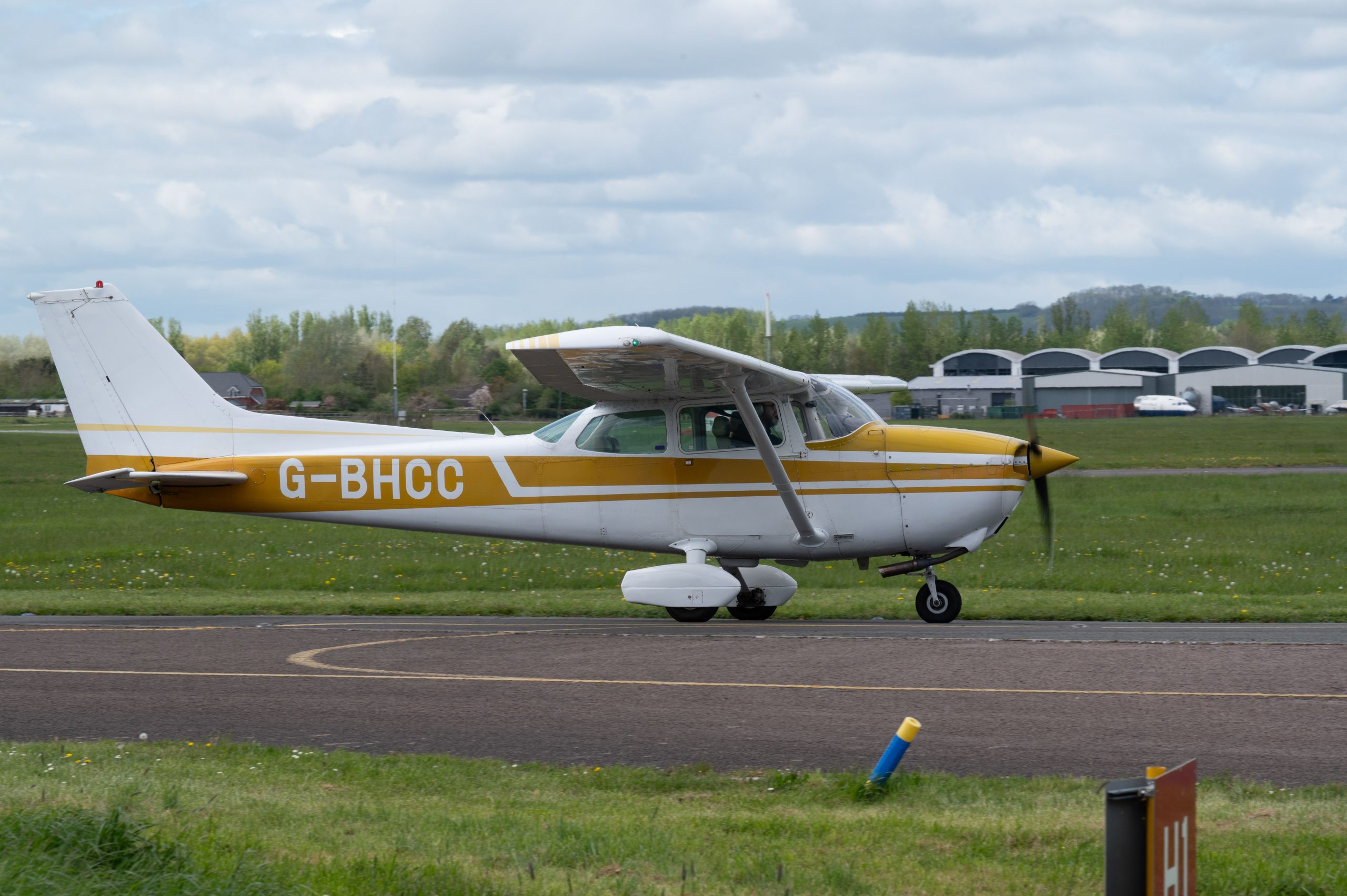
CESSNA PLANE FINANCING
AVIATION LOAN MATCHING SERVICE
Compare jet loan offers from
specialty aviation lenders.
- No cost to you
- Private & secure
No Cost to You
Aviation Specialists
One Application
Multiple offers side-by-side
Loan Programs
Financing for every aircraft type
New Aircraft Purchase
Pre-Owned Jet Financing
Aircraft Refinancing
Operating Leases
Engine & Maintenance Reserve
Fractional & Shared Ownership
How It Works
A simple, confidential four-step
process
Tell Us About the Aircraft
Make, model, year, intended use, ownership structure. No commitment.
Get Matched
Compare Offers
Close & Take Delivery
Estimate Your Monthly Payment
Move the sliders to see how loan amount, term, and rate shape your monthly cost. Illustrative estimates only — your actual offer depends on your matched lender.
Rate slider is for illustration only. Actual rates vary by aircraft, age, hours, ownership structure, lender, and credit profile.
Illustrative estimates only. Not an offer of credit. Actual terms determined by lender.
Financing for private and
corporate aviation
Private Owners
Corporations
Charter Operators
Fractional Owners
Management Companies
Family Offices
A lending network built for
aviation
Aviation-Specific Underwriting
One Profile, Multiple Offers
No Cost. No Commitment.
Confidential & Discreet
Ready to compare aircraft financing offers?
BELOW THIS LINE IS FOR SEO RANKING AND INFORMATION PURPOSES!!!
Aircraft Financing in 2026: Cessna Aircraft, Luxury Jets, Refurbishments, Aviation Real Estate, and Hangars
Aircraft ownership often involves much more than financing the airplane itself. Depending on the buyer’s plans, an aviation investment can include the aircraft, avionics and cabin upgrades, hangar space, airport-related property, maintenance facilities, and new construction. Each component introduces different costs, useful lives, collateral considerations, and underwriting questions.
The financial strategy for a piston airplane will also differ substantially from the strategy for a large business jet. Similarly, financing improvements to an existing aircraft is fundamentally different from acquiring aviation real estate or constructing a new hangar.
Owners and aviation businesses should therefore begin with a complete capital plan rather than viewing each expense independently. Acquisition price, construction costs, improvements, operating reserves, maintenance, insurance, and debt service should all fit within a sustainable financial structure.
The following nine sections examine how aircraft owners and aviation businesses can approach these different capital requirements while protecting liquidity and planning for long-term ownership.
1. Build a Complete Aviation Capital Plan
Applicants seeking Cessna plane financing should start with the specific aircraft, purchase price, expected use, engine condition, avionics, maintenance history, and cash available for the transaction.
Companies considering luxury jet financing should develop a substantially broader budget that accounts for the acquisition as well as crew, insurance, training, maintenance, hangar expenses, management, and operating reserves.
Owners exploring aircraft refurbishment financing should establish a detailed project scope covering planned cabin, avionics, interior, exterior, connectivity, or other improvements before determining the required capital.
Businesses evaluating aviation real estate financing should analyze the property separately from the aircraft and consider its intended commercial or operational purpose.
Organizations seeking hangar construction financing should develop preliminary budgets covering land or leasehold considerations, site work, design, permitting, utilities, construction, and contingency reserves.
For additional aviation-focused information, prospective applicants can explore MachLend.com.
2. Understand the Complete Cost of Aircraft Ownership
Borrowers using Cessna plane financing should look beyond the monthly payment and budget for insurance, fuel, inspections, engine and propeller expenses, avionics, storage, training, and unexpected repairs.
Businesses obtaining luxury jet financing can face significantly larger fixed and variable expenses, including professional crew, maintenance programs, engine events, management, fuel, training, insurance, and hangar costs.
Owners arranging aircraft refurbishment financing should consider not only equipment and materials but also installation labor, engineering, testing, certification requirements where applicable, and aircraft downtime.
Applicants considering aviation real estate financing should account for property taxes, insurance, utilities, maintenance, improvements, environmental considerations, and other property-specific expenses where applicable.
Companies pursuing hangar construction financing should include contingency funds because changes in materials, labor, site conditions, utilities, and project specifications can affect the final construction cost.
A comprehensive budget helps prevent an attractive aircraft or property acquisition from creating unsustainable financial pressure after closing.
3. Perform Detailed Due Diligence
Before completing Cessna plane financing, buyers should consider an appropriate pre-purchase inspection and review the aircraft’s logbooks, engine history, avionics, inspection status, equipment, and overall condition.
Companies pursuing luxury jet financing should conduct aircraft-specific due diligence involving engines, maintenance records, installed equipment, cabin systems, avionics, inspection history, and other relevant records.
Owners seeking aircraft refurbishment financing should obtain detailed proposals from qualified aviation companies and understand exactly what work is included or excluded.
Businesses evaluating aviation real estate financing should conduct appropriate property-level due diligence, potentially including title, zoning, access, permitted uses, physical condition, and environmental matters with qualified professionals.
Applicants considering hangar construction financing should verify that the proposed project is compatible with applicable airport, lease, zoning, permitting, and construction requirements before assuming the project can proceed as planned.
Aircraft registration information is available through the FAA Aircraft Registry, while broader federal aircraft information is available through the FAA Aircraft portal.
4. Compare Financing Structures and Cash Flow
Applicants comparing Cessna plane financing should evaluate repayment period, financing charges, fees, required cash contribution, collateral provisions, and prepayment terms rather than focusing solely on the periodic payment.
Businesses researching luxury jet financing should model debt service alongside the substantial operating expenses associated with high-value business aircraft.
Owners evaluating aircraft refurbishment financing should determine whether financing improvements separately or incorporating them into a broader transaction better fits their financial objectives.
Companies considering aviation real estate financing should examine repayment structures appropriate for long-lived property assets and compare them with projected property cash flow or business use.
Organizations pursuing hangar construction financing should consider how construction-period requirements may differ from longer-term financing after the facility is completed.
Consider a hypothetical $3 million balance amortized over 10 years:
| Illustrative Rate | Approx. Monthly Payment | Approx. Total Repaid |
|---|---|---|
| 6% | $33,306 | $4.00 million |
| 7% | $34,833 | $4.18 million |
| 8% | $36,399 | $4.37 million |
| 9% | $38,003 | $4.56 million |
| 10% | $39,645 | $4.76 million |
Illustrative Monthly Payment Graph
$40K |                              █
$39K |                       █      █
$38K |                       █      █
$37K |                █      █      █
$36K |                █      █      █
$35K |         █      █      █      █
$34K |  █      █      █      █      █
$33K |  █      █      █      █      █
     +-----------------------------------
        6%     7%     8%     9%     10%
The figures are hypothetical educational calculations. They are not current market rates, lender quotes, financing offers, or guaranteed terms.
5. Plan Aircraft Improvements Carefully
Borrowers using Cessna plane financing should identify anticipated avionics, interior, paint, engine, or other improvements before determining how much cash to commit to the initial purchase.
Companies with luxury jet financing should evaluate cabin technology, connectivity, entertainment, communications, avionics, furnishings, and cosmetic condition as part of the acquisition analysis.
Owners considering aircraft refurbishment financing should distinguish between improvements necessary for the intended mission and optional upgrades that primarily affect comfort or appearance.
Businesses pursuing aviation real estate financing should consider whether facilities require modifications to accommodate the aircraft, maintenance operation, office space, storage, or other business activities.
Companies researching hangar construction financing should plan dimensions, door systems, electrical service, fire protection, heating, office areas, maintenance space, and other features according to the intended operation and applicable requirements.
Federal information concerning aircraft certification is available from the FAA Aircraft Certification resources. Aircraft owners should consult qualified professionals regarding specific modifications.
6. Evaluate Aviation Property Separately
An applicant using Cessna plane financing may decide that renting hangar space is more practical than purchasing property, particularly when long-term aircraft needs remain uncertain.
A business arranging luxury jet financing may place greater importance on secure hangar capacity because the aircraft represents a substantial capital asset and may require specialized support.
Owners obtaining aircraft refurbishment financing should determine where the project will be performed and how aircraft downtime affects normal transportation or business operations.
Organizations seeking aviation real estate financing should evaluate airport access, leasehold arrangements, permitted uses, location, utilities, physical improvements, marketability, and long-term business requirements.
Businesses evaluating hangar construction financing should determine whether they own the underlying land or operate under a ground lease and understand how that arrangement may affect the proposed transaction.
Real estate and aircraft are different asset classes. Buyers should not assume that a financing structure appropriate for an airplane will automatically be suitable for an aviation property.
7. Develop a Realistic Construction Budget
Borrowers pursuing Cessna plane financing alongside a facility project should keep aircraft acquisition costs separate from construction expenses when developing the overall capital budget.
Companies using luxury jet financing while planning a private or corporate aviation facility should ensure that aircraft payments and property expenses remain sustainable together.
Businesses considering aircraft refurbishment financing during a construction project should account for the possibility that both projects could require capital simultaneously.
Applicants evaluating aviation real estate financing should obtain detailed estimates for acquisition, renovations, utilities, site improvements, professional services, and other property expenses.
Organizations seeking hangar construction financing should build a project budget that addresses design, engineering, permits, site preparation, foundation work, structural construction, doors, utilities, interior improvements, and contingency reserves.
Construction projects can experience cost changes and delays. A realistic contingency allowance can provide financial flexibility when actual expenses differ from initial estimates.
Depending on the transaction and eligibility, businesses purchasing or improving qualifying owner-occupied fixed assets may also want to review the SBA 504 Loan Program and discuss eligibility with participating financing professionals. SBA rules and lender underwriting requirements apply.
8. Preserve Liquidity for Unexpected Expenses
Owners repaying Cessna plane financing should maintain reserves for maintenance, inspections, insurance, fuel, storage, training, and unexpected mechanical expenses.
Businesses carrying luxury jet financing should stress-test cash flow against significant maintenance events, periods of lower utilization, increased operating expenses, and unexpected aircraft downtime.
Companies using aircraft refurbishment financing should preserve contingency capital because additional discrepancies or desired improvements may be discovered after a project begins.
Borrowers obtaining aviation real estate financing should maintain reserves for property repairs, insurance, taxes, utilities, vacancy where applicable, and unexpected capital improvements.
Organizations using hangar construction financing should avoid exhausting unrestricted cash during construction because cost overruns or operational expenses may arise before the facility becomes fully usable.
Liquidity can be especially important in aviation because major aircraft and property expenses can occur simultaneously. A business may face an engine event while also completing facility improvements, for example.
A financing strategy should therefore support the broader business rather than consume all available capital.
9. Prepare a Strong Financing Application
Applicants seeking Cessna plane financing should organize personal or business financial information, aircraft specifications, purchase documents, ownership details, and other materials requested by the provider.
Companies pursuing luxury jet financing should be prepared to provide financial statements, tax returns where requested, liquidity information, organizational records, aircraft information, and details about the proposed transaction.
Owners applying for aircraft refurbishment financing should assemble project estimates, aircraft information, contractor or completion-center proposals, and a clear description of the planned improvements.
Businesses seeking aviation real estate financing should organize property information, purchase documents, business financials, ownership details, project budgets, and other underwriting documentation.
Organizations pursuing hangar construction financing should be prepared to provide construction budgets, plans, contractor information, property or lease documentation, project schedules, and financial records as required.
Documentation requirements vary according to provider, borrower, aircraft, property, project, and transaction size. Rates, fees, approval amounts, collateral requirements, guarantees, and repayment structures depend on underwriting and should never be assumed in advance.
For additional internal aviation information, visit MachLend.com. Independent resources include the FAA Aircraft portal, FAA Aircraft Registry, and SBA 504 Loan Program.
Final Thoughts
Aviation financing can extend well beyond purchasing an airplane. An owner may simultaneously need capital for the aircraft, improvements, hangar space, real estate, or facility construction. Treating these expenses as parts of one broader capital strategy can produce a clearer picture of the total investment.
Aircraft selection should begin with mission requirements. Range, passenger capacity, payload, airport access, annual utilization, equipment, and operating environment can help determine which airplane is appropriate.
Pre-owned aircraft require careful due diligence. Maintenance records, engine and propeller condition, avionics, inspection history, equipment, and overall condition can materially affect both immediate costs and future ownership expenses.
Business jets add another layer of financial planning. Crew, training, insurance, fuel, maintenance programs, engines, management, hangar expenses, and other operating costs can be substantial even when the aircraft itself has already been purchased.
Refurbishment projects should be planned before acquisition whenever possible. Cabin work, avionics, connectivity, paint, interior improvements, and other modernization can meaningfully increase the capital required to place an aircraft into the desired condition.
Aviation property requires its own due diligence. Airport access, permitted uses, leases, utilities, property condition, location, environmental considerations, and future marketability can affect the economics of a facility.
Hangar construction introduces additional variables, including site preparation, engineering, permits, utilities, materials, labor, specialized doors, interior improvements, and construction contingencies.
Borrowers should also compare financing structures using total economics rather than focusing exclusively on periodic payments. Financing charges, fees, repayment periods, collateral requirements, guarantees where applicable, and prepayment provisions can influence the actual cost.
Maintaining liquidity is equally important. Aircraft maintenance and property expenses do not necessarily occur according to a convenient schedule, making adequate reserves valuable throughout ownership.
Qualified aviation attorneys, tax professionals, inspectors, maintenance organizations, real estate professionals, contractors, appraisers, insurance advisers, and financing professionals can provide transaction-specific guidance within their respective specialties.
A well-planned aviation investment combines aircraft selection, property analysis, detailed budgeting, appropriate financing, careful due diligence, construction planning, maintenance reserves, and enough liquidity to support the entire operation.