Financing solutions for jets
Aircraft financing is available.
1. What is MachLend.com?
MachLend.com is an aviation financing information and referral website that helps connect aircraft buyers, aviation businesses, and aviation investors with financing opportunities through our lending marketplace partners.
2. Is MachLend.com a lender?
No. MachLend.com is not a lender, bank, or credit union. We work as an affiliate partner and may connect visitors with independent financing providers.
3. Can I finance a private jet?
Yes. Many lenders offer financing solutions for qualified buyers seeking private aircraft ownership.
4. What types of aircraft can be financed?
Financing may be available for private jets, turboprops, helicopters, piston aircraft, charter aircraft, and corporate aviation fleets.
5. How much can I borrow for an aircraft purchase?
Loan amounts vary by lender, aircraft value, credit profile, and intended use.
6. Can I finance a used aircraft?
Yes. Many lenders provide financing for both new and pre-owned aircraft.
7. What credit score is needed for aircraft financing?
Requirements vary by lender, but stronger credit profiles generally receive better terms.
8. Do I need a down payment?
Most aircraft loans require some level of down payment, although requirements vary.
9. How long are aircraft loan terms?
Terms commonly range from 5 to 20 years depending on aircraft type and borrower qualifications.
10. Can businesses finance aircraft?
Yes. Businesses frequently finance aircraft for executive transportation and operational needs.
11. What is corporate jet financing?
Corporate jet financing helps businesses acquire aircraft for executive travel and company operations.
12. Can startup aviation companies obtain financing?
Some lenders offer programs designed for startup aviation businesses, subject to qualification.
13. What is charter aircraft financing?
Charter aircraft financing helps operators acquire aircraft used for commercial charter services.
14. Can I finance multiple aircraft?
Yes. Fleet financing programs may be available for qualified operators.
15. What is charter fleet financing?
Charter fleet financing helps aviation businesses purchase or expand multiple aircraft within a charter operation.
16. Can helicopters be financed?
Yes. Financing may be available for private, commercial, medical, and utility helicopters.
17. What is aircraft leasing?
Aircraft leasing allows operators to use aircraft without purchasing them outright.
18. Is leasing better than buying?
The answer depends on your operational goals, tax situation, and long-term ownership plans.
19. Can I finance aircraft maintenance?
Some lenders offer financing programs for major maintenance projects and overhauls.
20. What are engine overhaul loans?
These loans help owners fund expensive turbine and piston engine rebuilds.
21. Can I finance avionics upgrades?
Yes. Aircraft technology upgrades are commonly financed.
22. What are aircraft technology upgrade loans?
These loans help pay for avionics, navigation systems, connectivity equipment, and safety upgrades.
23. How often should aircraft technology be upgraded?
Many operators update avionics every 7 to 15 years, depending on regulations and aircraft usage.
24. Can hangars be financed?
Yes. Financing may be available for aircraft hangars and aviation storage facilities.
25. What is aircraft shelter financing?
Aircraft shelter financing helps fund hangars, storage facilities, and aviation infrastructure.
26. Can I buy airport property with financing?
Many lenders offer aviation property financing solutions.
27. What is aviation property financing?
This type of financing supports airport real estate, hangars, maintenance facilities, and aviation developments.
28. Can I finance runway construction?
Some aviation property financing programs may include runway development.
29. Can I finance a private airpark?
Financing may be available for qualifying aviation property projects.
30. What is jet share financing?
Jet share financing supports fractional ownership and shared aircraft ownership programs.
31. What is co-ownership aircraft financing?
This financing structure allows multiple owners to share aircraft acquisition costs.
32. Can I finance a fractional aircraft ownership share?
Some lenders offer programs designed specifically for fractional ownership arrangements.
33. What is midsize jet financing?
Midsize jet financing helps acquire aircraft typically seating 7 to 10 passengers.
34. What is a light business jet?
Light business jets are smaller executive aircraft designed for short to medium-range travel.
35. Can I finance a HondaJet?
Yes. Many aviation lenders provide financing options for HondaJet purchases.
36. What is large cabin jet financing?
Large cabin jet financing supports the acquisition of premium long-range business aircraft.
37. Who typically buys private jets?
Business owners, corporations, aviation investors, charter operators, and high-net-worth individuals commonly purchase aircraft.
38. Can aircraft be used as collateral?
Yes. Aircraft often serve as collateral for aviation loans.
39. Are aircraft inspections required before financing?
Most lenders require inspections, appraisals, or evaluations before funding.
40. How long does aircraft loan approval take?
Approval timelines vary but may range from a few days to several weeks.
41. Can foreign buyers obtain aircraft financing?
Some lenders offer financing options for international borrowers.
42. What documentation is typically required?
Documentation often includes financial statements, tax returns, aircraft information, and proof of ownership.
43. Can I refinance an existing aircraft loan?
Yes. Aircraft refinancing may be available for qualified borrowers.
44. What are the benefits of refinancing?
Refinancing may reduce monthly payments, improve cash flow, or provide access to equity.
45. Can I finance aircraft interior upgrades?
Yes. Interior refurbishment financing is commonly available.
46. What are common executive jet upgrades?
Popular upgrades include Wi-Fi, cabin entertainment, seating improvements, lighting, and avionics modernization.
47. Can aviation businesses obtain working capital?
Many lenders offer working capital solutions for aviation-related businesses.
48. What is aviation acquisition financing?
Aviation acquisition financing helps fund the purchase of aircraft, hangars, aviation property, and aviation businesses.
49. Does MachLend.com charge borrowers a fee?
No. MachLend.com does not charge visitors to view information or submit inquiries.
50. How do I apply for aviation financing?
51. Can I finance a hangar purchase?
Yes. Many aviation lenders offer financing for hangars, aircraft storage facilities, and airport-related real estate.
52. What is a business aviation loan?
A business aviation loan is financing used to purchase, refinance, or upgrade aircraft utilized for business purposes.
53. Can I finance a private runway?
Some aviation property financing programs may be used for private runway construction and improvements.
54. What is aircraft acquisition financing?
Aircraft acquisition financing helps buyers purchase new or used aircraft while spreading costs over time.
55. Can I finance aircraft interior renovations?
Yes. Financing may be available for cabin refurbishments, seating upgrades, and interior modernization projects.
56. What is aircraft refurbishment financing?
This financing helps owners upgrade or restore aircraft interiors, exteriors, avionics, and cabin systems.
57. Can I finance aircraft paint projects?
Many lenders offer funding for repainting and exterior restoration work.
58. What is executive jet financing?
Executive jet financing helps corporations and business owners acquire aircraft for executive travel.
59. Can charter companies refinance aircraft?
Yes. Many operators refinance aircraft to lower payments or access equity.
60. What is fleet expansion financing?
Fleet expansion financing helps aviation businesses add aircraft as demand increases.
61. Can I finance avionics modernization?
Yes. Modern avionics upgrades are among the most common aircraft financing projects.
62. How much does aircraft insurance cost?
Costs vary based on aircraft type, pilot experience, location, and intended use.
63. Can aircraft owners deduct financing expenses?
Tax treatment varies. Consult a qualified tax advisor regarding your specific situation.
64. What is a pre-purchase aircraft inspection?
It is an evaluation of the aircraft’s condition before acquisition and is often required by lenders.
65. Can I finance aircraft maintenance reserves?
Some financing programs allow borrowers to establish maintenance reserve accounts.
66. What is aviation working capital financing?
It provides operating funds for aviation businesses to cover payroll, fuel, maintenance, and overhead expenses.
67. Can flight schools obtain aircraft financing?
Yes. Many lenders provide financing for aircraft used in flight training operations.
68. What aircraft are commonly used in flight schools?
Cessna 172s, Piper Archers, Diamond aircraft, and similar training platforms are common.
69. Can agricultural aircraft be financed?
Yes. Crop dusters and agricultural aviation equipment are often financeable.
70. What is aircraft equity?
Aircraft equity is the difference between the aircraft’s value and the remaining loan balance.
71. Can I use aircraft equity for additional financing?
Some lenders offer financing solutions based on available aircraft equity.
72. What is a balloon payment aircraft loan?
It is a financing structure that includes smaller monthly payments and a larger final payment.
73. Can aircraft financing include closing costs?
Some lenders allow certain acquisition-related expenses to be included in financing.
74. What is a fixed-rate aircraft loan?
A fixed-rate loan maintains the same interest rate throughout the financing term.
75. What is a variable-rate aircraft loan?
A variable-rate loan may fluctuate based on market conditions and benchmark rates.
76. Can I finance aircraft parts and equipment?
Yes. Financing may be available for certain aircraft-related equipment purchases.
77. What is turbine engine financing?
This financing helps fund engine purchases, overhauls, replacements, and major repairs.
78. Can helicopter operators obtain fleet financing?
Yes. Multiple-aircraft financing programs may be available for helicopter fleets.
79. What is charter revenue?
Charter revenue is income earned by providing aircraft transportation services to customers.
80. Can I purchase aircraft through my business entity?
Many aircraft are purchased and financed through corporations, LLCs, and partnerships.
81. What is a special purpose aircraft entity?
It is a legal entity created specifically to own and operate an aircraft.
82. Can international flights affect financing requirements?
Some lenders may consider operational scope when evaluating aircraft financing requests.
83. What is aircraft depreciation?
Depreciation reflects the reduction in value of an aircraft over time.
84. Do newer aircraft hold value better?
Value retention varies by manufacturer, model, maintenance history, and market conditions.
85. Can I finance an aircraft import purchase?
Some lenders offer financing for imported aircraft transactions.
86. What is aircraft escrow?
Escrow services help manage funds and documentation during aircraft transactions.
87. Why is title research important when buying an aircraft?
Title research helps verify ownership and identify liens or legal issues.
88. Can I finance aircraft upgrades after purchase?
Yes. Many lenders offer financing specifically for post-purchase improvements.
89. What is aircraft downtime?
Downtime refers to periods when an aircraft is unavailable due to maintenance or repairs.
90. Can downtime impact loan approval?
Lenders may consider aircraft condition and operational history during underwriting.
91. What is an FBO?
An FBO (Fixed Base Operator) provides airport services such as fueling, maintenance, and hangar facilities.
92. Can FBO businesses obtain financing?
Yes. Financing may be available for FBO acquisitions, expansions, and facility improvements.
93. What is aviation infrastructure financing?
It supports projects such as hangars, terminals, maintenance facilities, and airport improvements.
94. Can I finance aircraft Wi-Fi installations?
Yes. Connectivity upgrades are common uses of aviation technology financing.
95. What is aircraft asset-based lending?
It is financing secured primarily by the value of the aircraft itself.
96. How long does aircraft financing remain on record?
Loan records generally remain active until the obligation is fully satisfied and released.
97. What happens if I sell an aircraft with a loan balance?
The remaining balance is typically paid off as part of the transaction.
98. Can I finance a private aviation startup?
Some lenders and investors provide funding solutions for qualified startup aviation ventures.
99. What is the first step in obtaining aircraft financing?
Determine your budget, aircraft needs, and financing goals before applying.
100. How can MachLend.com help me?
MachLend.com helps connect aircraft buyers, aviation businesses, and aviation investors with financing opportunities through our aviation lending marketplace partners.
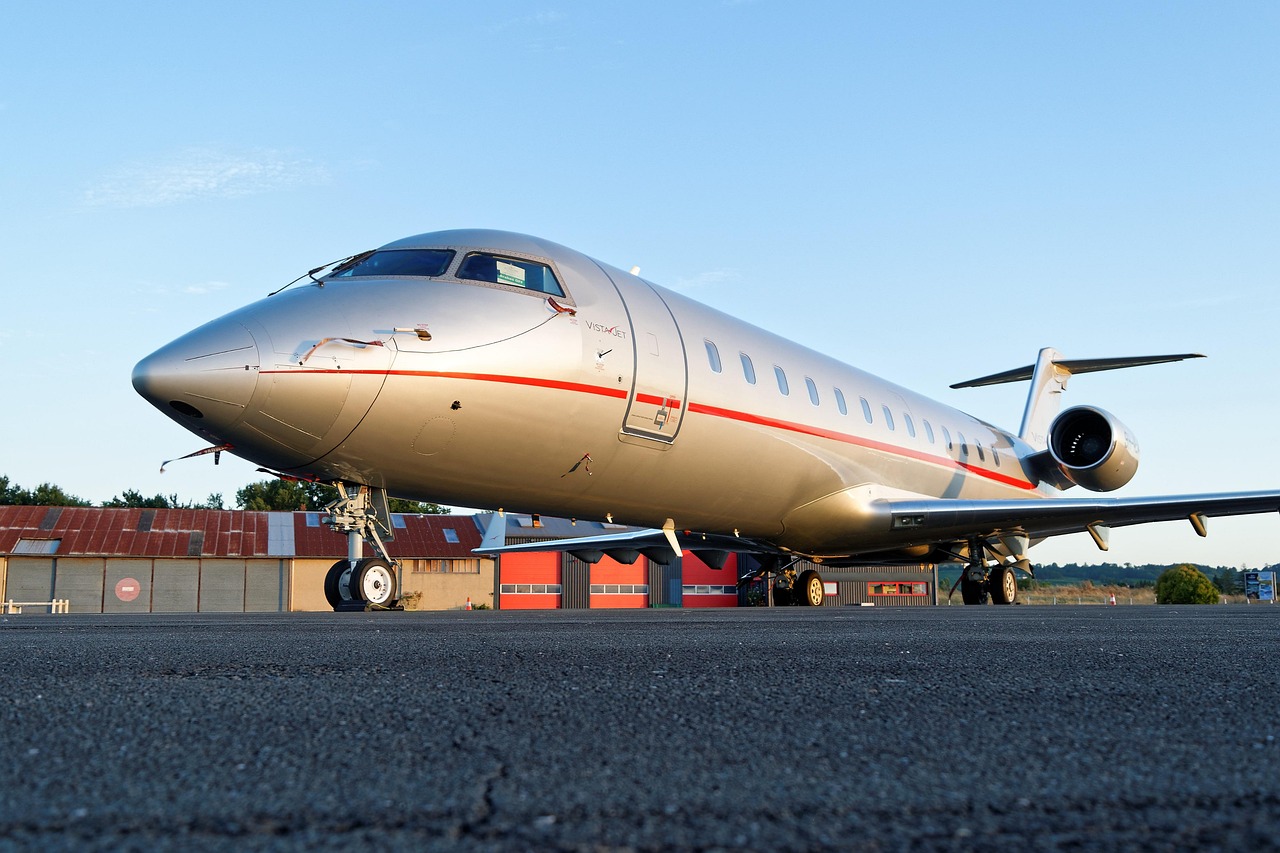
Aircraft Financing in 2026: A Guide to Buying and Funding Private and Business Aircraft
Purchasing an airplane can require significant capital, whether the buyer is acquiring a small piston aircraft, turboprop, light jet, midsize business jet, or sophisticated long-range aircraft. The purchase price is only one part of the financial commitment. Insurance, inspections, engines, maintenance, avionics, training, hangar expenses, fuel, professional services, and operating reserves can all influence the true cost.
A well-planned aviation transaction therefore begins with the mission. Prospective owners should determine how many passengers they normally expect to carry, typical trip distances, annual flight hours, airport requirements, baggage needs, cabin expectations, and anticipated ownership period.
The next step is creating a complete acquisition budget and determining how much capital the buyer can reasonably commit without sacrificing necessary liquidity. Financing terms should then be evaluated alongside projected operating expenses and future maintenance requirements.
The following nine sections explain important considerations for buyers comparing ways to fund an aircraft purchase.
1. Determine What Aircraft the Mission Requires
Applicants researching Financing solutions for jets should begin by identifying the aircraft category capable of completing most anticipated missions without paying unnecessarily for unused range, cabin space, or payload.
Businesses exploring aircraft financing should document passenger requirements, typical routes, annual utilization, airport limitations, baggage requirements, and expected ownership duration.
Prospective owners considering financing aircraft should compare several suitable models instead of selecting an airplane solely because its advertised purchase price appears attractive.
Individuals investigating airplane financing should also determine whether the aircraft will be used primarily for personal transportation, business travel, training, or another legitimate purpose.
Applicants seeking financing to buy a plane should establish a realistic purchase-price range before approaching potential providers so they can focus on aircraft appropriate for their financial position.
For additional aviation-focused information, prospective buyers can visit MachLend.com.
Mission analysis can prevent buyers from committing significant capital to an aircraft that is either inadequate for their travel requirements or considerably more capable than necessary.
2. Build a Complete Aircraft Acquisition Budget
Buyers evaluating Financing solutions for jets should calculate more than the negotiated purchase price when determining the amount of capital required.
Applicants seeking aircraft financing should include appropriate inspection expenses, professional services, insurance, training, immediate maintenance, avionics requirements, and initial operating reserves.
Businesses interested in financing aircraft should prepare a detailed use-of-funds budget showing the purchase price, proposed cash contribution, transaction expenses, and anticipated improvements.
Applicants comparing airplane financing should determine how much unrestricted capital will remain after closing and whether those reserves are adequate for continuing ownership expenses.
Someone seeking financing to buy a plane should also estimate first-year costs for fuel, hangar or storage expenses, maintenance, insurance, training, subscriptions, and engine reserves where appropriate.
A complete acquisition budget can reveal that two similarly priced airplanes have substantially different total capital requirements because of equipment, condition, maintenance status, or immediate upgrade needs.
3. Conduct Aircraft-Specific Due Diligence
Applicants comparing Financing solutions for jets should consider an appropriate pre-purchase inspection and review maintenance records, engines, avionics, equipment, aircraft history, and upcoming inspections.
Organizations pursuing aircraft financing should incorporate professional inspection findings into the purchase decision rather than treating due diligence as a procedural step.
Businesses considering financing aircraft should investigate major maintenance requirements before closing because an expensive scheduled event can significantly change the effective acquisition cost.
Individuals seeking airplane financing should remember that aircraft of the same model and year can have different values because of maintenance history, equipment, modifications, engine condition, and records.
Applicants pursuing financing to buy a plane should obtain qualified assistance when evaluating unfamiliar maintenance records, aircraft systems, inspections, or mechanical conditions.
4. Compare Payments and Total Financing Cost
Applicants evaluating Financing solutions for jets should compare financing charges, fees, repayment duration, required contributions, collateral provisions, guarantees where applicable, and prepayment requirements.
Companies shopping for aircraft financing should use similar transaction amounts and repayment periods whenever practical so competing proposals can be compared more consistently.
Organizations interested in financing aircraft should examine total projected repayment rather than automatically choosing the option producing the smallest monthly payment.
Applicants comparing airplane financing should determine how the scheduled obligation fits alongside expected fuel, insurance, maintenance, storage, training, and other aviation expenses.
A buyer seeking financing to buy a plane should also consider how the repayment period compares with the number of years the aircraft is expected to remain in the owner’s fleet.
Consider a hypothetical $2.5 million balance amortized over ten years:
| Illustrative Rate | Approx. Monthly Payment | Approx. Total Repaid |
|---|---|---|
| 6% | $27,755 | $3.33 million |
| 7% | $29,027 | $3.48 million |
| 8% | $30,332 | $3.64 million |
| 9% | $31,669 | $3.80 million |
| 10% | $33,038 | $3.96 million |
Illustrative Monthly Payment Graph
$34K |                              █
$33K |                              █
$32K |                       █      █
$31K |                █      █      █
$30K |                █      █      █
$29K |         █      █      █      █
$28K |  █      █      █      █      █
     +-----------------------------------
        6%     7%     8%     9%     10%
These figures are hypothetical educational calculations, not current lender quotes, advertised rates, market averages, guaranteed offers, or approvals.
5. Understand the Continuing Cost of Aircraft Ownership
Applicants researching Financing solutions for jets should build aircraft-specific budgets for fuel, insurance, crew where applicable, training, maintenance, engines, hangar expenses, management, and subscriptions.
Businesses using aircraft financing should separate fixed expenses from variable operating costs to understand how different annual utilization levels affect total ownership economics.
Organizations interested in financing aircraft should avoid assuming that lower utilization automatically produces low ownership expenses because many costs continue while an airplane is parked.
Individuals repaying airplane financing should maintain appropriate operating reserves instead of assuming the scheduled financing payment represents the majority of aircraft expenses.
Applicants obtaining financing to buy a plane should stress-test projected budgets against higher maintenance expenses, unexpected repairs, changes in utilization, and other financial demands.
Insurance, storage, subscriptions, recurrent training, scheduled inspections, management expenses, and certain crew costs may continue regardless of how many hours the airplane flies.
A realistic ownership budget should therefore consider annual cash requirements rather than concentrating only on the acquisition.
6. Plan for Engines and Major Maintenance Events
Owners comparing Financing solutions for jets should understand engine status, maintenance-program participation where applicable, upcoming inspections, and major component requirements before purchasing an aircraft.
Businesses carrying aircraft financing should establish reserves for scheduled and unscheduled maintenance rather than assuming expenses will occur evenly throughout the repayment period.
Companies considering financing aircraft should evaluate whether significant maintenance is approaching and determine how those expenses will be funded after the acquisition.
Applicants using airplane financing should pay particular attention to engine condition because major engine-related expenses can materially affect aircraft ownership economics.
Someone pursuing financing to buy a plane should consider whether an apparently inexpensive aircraft requires enough near-term maintenance to make a better-maintained alternative financially preferable.
Several relatively predictable years can be followed by a major inspection, component replacement, engine event, or unexpected discrepancy. Maintenance reserves can help reduce the financial disruption associated with those events.
7. Evaluate Avionics and Aircraft Improvements
Applicants seeking Financing solutions for jets should determine whether existing avionics, navigation equipment, communications systems, connectivity, and cabin technology meet the intended mission.
Companies arranging aircraft financing should obtain professional estimates for significant upgrades before completing an acquisition so those costs can be incorporated into the overall budget.
Businesses considering financing aircraft should distinguish necessary operational improvements from optional cosmetic upgrades when prioritizing available capital.
Applicants comparing airplane financing should evaluate whether purchasing a better-equipped airplane is more economical than acquiring a lower-priced aircraft requiring extensive modernization.
A buyer pursuing financing to buy a plane should account for installation labor, engineering, testing, documentation, and aircraft downtime in addition to the advertised price of new equipment.
Aircraft modifications can involve regulatory and certification considerations.
8. Preserve Liquidity After Closing
Applicants evaluating Financing solutions for jets should avoid committing so much unrestricted cash to the acquisition that insufficient reserves remain for maintenance, insurance, fuel, training, and unexpected repairs.
Organizations utilizing aircraft financing should calculate how the down payment, transaction expenses, and initial improvements will affect business working capital after closing.
Companies considering financing aircraft should protect capital required for payroll, facilities, inventory, expansion, acquisitions, or other important business needs.
Individuals carrying airplane financing should maintain adequate personal or business liquidity rather than determining affordability solely from the scheduled payment.
Applicants obtaining financing to buy a plane should stress-test their financial plans against unexpected maintenance, reduced income, changing travel requirements, or increased operating expenses.
Liquidity is especially important in aviation because several large expenses can occur simultaneously. An owner may encounter an unexpected repair while insurance, hangar costs, training expenses, and normal scheduled payments continue.
9. Prepare for the Application and Closing Process
Applicants seeking Financing solutions for jets should organize requested financial statements, tax documentation where applicable, liquidity records, aircraft specifications, purchase documents, and ownership information.
Businesses applying for aircraft financing should be prepared to explain the purchase price, requested amount, proposed contribution, intended use, expected utilization, and anticipated closing schedule.
Organizations interested in financing aircraft should provide accurate aircraft and financial information so prospective providers can evaluate the proposed transaction efficiently.
Applicants pursuing airplane financing should carefully review final proposals for financing charges, fees, repayment obligations, collateral requirements, guarantees where applicable, and prepayment provisions.
Someone seeking financing to buy a plane should avoid treating preliminary discussions or conditional indications as final approval until underwriting and documentation requirements are completed.
Approval, rates, fees, financing amounts, required contributions, collateral requirements, guarantees, and repayment structures depend on the applicant, aircraft, provider, and individual transaction.
For additional internal aviation information, visit MachLend.com.
Final Thoughts
Purchasing an airplane is a significant financial decision, and the acquisition price tells only part of the story. A disciplined buyer begins by identifying the transportation mission and then selecting an aircraft category capable of performing that mission efficiently.
Passenger count, typical route length, annual flight hours, baggage requirements, airport limitations, cabin expectations, and expected ownership period can all influence the appropriate aircraft.
Once suitable models have been identified, buyers should build complete acquisition budgets. Inspection expenses, professional services, insurance, training, maintenance, engines, avionics, storage, and operating reserves can substantially increase the capital required beyond the advertised purchase price.
Aircraft-specific due diligence is particularly important. Maintenance history, engine status, inspections, equipment, modifications, records, avionics, and upcoming scheduled events can materially influence both aircraft value and future expenses.
Prospective owners should also compare financing proposals on more than the monthly payment. Financing charges, fees, required cash contributions, repayment periods, collateral provisions, prepayment requirements, and total projected repayment all deserve consideration.
Operating expenses should be evaluated independently. Fuel, insurance, maintenance, engines, training, storage, management, crew where applicable, and subscriptions can represent substantial continuing costs.
Maintenance reserves can help protect owners against uneven expenses. Aircraft rarely require exactly the same amount of maintenance every year, and significant inspections or engine-related events can create large capital requirements.
Technology is another important consideration. An aircraft that appears inexpensive may need significant avionics, connectivity, navigation, communications, or cabin improvements before it satisfies the intended mission.
Liquidity should remain central to the purchase decision. Retaining sufficient reserves can provide flexibility when maintenance problems, business requirements, or personal financial needs arise unexpectedly.
Buyers should also think about their exit strategy before acquisition. Expected holding period, future aircraft requirements, remaining obligations, maintenance condition, and potential resale considerations can influence the long-term economics of ownership.
Qualified aviation inspectors, maintenance professionals, attorneys, accountants, tax advisers, brokers, appraisers, insurance specialists, and financing providers can provide transaction-specific guidance within their respective specialties.
A well-planned aircraft purchase combines mission analysis, detailed due diligence, realistic operating projections, careful comparison of funding structures, maintenance planning, adequate reserves, and a clear understanding of how the airplane fits into the owner’s broader financial goals.